




Table of Contents
Get Custom eCommerce Fulfillment Service
Book a Meeting
How Last-Mile Delivery Works: Process, Costs & Solutions
Time: Aug 07,2026 Author: SFC Source: www.sendfromchina.com
Last-mile delivery is the final stage of an order's journey. It moves a parcel from a local hub, depot, store, or fulfillment center to the recipient.
The process usually includes destination sorting, route assignment, vehicle loading, customer notifications, a delivery attempt, and proof of delivery. If the attempt fails, the parcel may be rescheduled, redirected to a pickup point, or returned.
It sounds simple: a driver takes a box to a door. Well, not quite. Long-haul transport moves many parcels together. The last mile breaks that flow into individual addresses, delivery windows, gate codes, parking spaces, and people who may not be home. It is also the stage customers see most clearly.
This guide follows that final journey step by step. It also explains carrier handoffs, labels, packaging, tracking, proof of delivery, common failures, industry requirements, and practical ways ecommerce sellers can improve the result.
Where the Last Mile Fits in the Delivery Journey
The phrase does not mean the parcel travels exactly one mile. The distance may be one city block, 30 rural kilometers, or a trip from a regional depot to an island address.
What matters is the function: one shipment leaves a local delivery node and reaches its final recipient.
Fulfillment vs. Line Haul vs. Last Mile
The stages work together, but they are not the same:
- Fulfillment covers inventory storage, order processing, picking, packing, and label creation.
- Line haul moves consolidated shipments between cities, countries, airports, ports, or major hubs.
-
Last-mile delivery separates those shipments and delivers each one to a home, business, locker, or pickup point.
Think of a bus and a taxi. Line haul is the bus carrying many people along one route. The last mile is the taxi taking one passenger to one building. A five-day international movement can still be followed by three local delivery days, so measure them separately. Our guide to transit time explains the wider timing terms.
Does Customs Clearance Count as Last-Mile Delivery?
Customs clearance is usually a separate stage, but it can delay the last mile. A parcel may reach the country yet remain unavailable to the local carrier until release. Tracking pages sometimes blur these events.
For the full journey across borders, including documentation and duties, see this guide to ecommerce international shipping.
Last Mile vs. Final Mile
Last mile and final mile normally mean the same thing. "Final mile" appears more often for furniture, appliances, medical equipment, and scheduled services that may include room placement or assembly.
How Last-Mile Delivery Works Step by Step
The details vary by carrier, but the operational flow is fairly consistent.
|
Stage
|
What happens
|
Data or material used
|
Common failure
|
|
Data received
|
The destination network receives shipment details
|
Address, phone, service code, tracking number
|
Missing or mismatched data
|
|
Local injection
|
The parcel enters a local postal or courier network
|
Manifest, customs-release status, handoff scan
|
Parcel arrives before usable data
|
|
Sorting
|
The hub assigns the parcel to a depot and route
|
Barcode, postcode, service zone
|
Unreadable label or wrong postcode
|
|
Dispatch
|
A route, driver, vehicle, or pickup point is assigned
|
Stop sequence, time window, capacity
|
Route overload or bad geocoding
|
|
Vehicle loading
|
The parcel is scanned onto the delivery vehicle
|
Load scan and route manifest
|
Missort or missed scan
|
|
Delivery attempt
|
The driver reaches the final address
|
Access notes, signature or PIN rule
|
Recipient absent or access blocked
|
|
Close or exception
|
Delivery is confirmed or another action begins
|
Photo, signature, GPS, exception code
|
Weak proof or unclear next step
|
1. Shipment Data Reaches the Destination Network
Before delivery, the local network needs usable data. This may include the recipient name, street address, postcode, phone number, parcel weight, service level, tracking number, and delivery instructions.
For cross-border shipments, electronic data may arrive before the parcel. This pre-advice helps the destination carrier prepare. It also explains "Shipment information received": the record exists, but the carrier may not have the box.
2. The Parcel Is Injected into a Local Hub
After international transport and customs release, parcels are handed to a destination postal operator, parcel carrier, regional depot, or delivery partner. This handoff is often called destination injection.
The original provider may buy local delivery from another carrier. The original tracking number may continue, or a local number may be added. Poor data transfer can create a temporary tracking gap. Customers and support teams can track an SFC shipment with the available order or tracking details.
3. The Hub Sorts the Parcel by Route
Scanners match the barcode with a postcode, service zone, depot, and route. Odd sizes or unreadable labels may need manual handling. A wrong postcode can send a parcel to the wrong depot, while a missing apartment number may only fail at the door.
4. Dispatch Assigns a Route, Driver, or Pickup Point
Dispatch groups stops by location, delivery window, vehicle capacity, road conditions, and priority. The shortest map route is not always practical. A business may close early, a medical order may be timed, or a narrow street may restrict vehicles. Traffic and one slow stop can affect the rest of the route.
5. The Parcel Is Scanned onto the Vehicle
Before departure, parcels are scanned to the route manifest. This creates a chain-of-custody event and often triggers "out for delivery."
Out for delivery means the carrier intends to attempt delivery that day. It is not an absolute guarantee. A route can run out of time, a vehicle can break down, or the parcel can be loaded onto the wrong van.
6. The Driver Completes the Delivery Attempt
The driver reaches the address and follows the service rules. The parcel may require a signature, PIN, identity check, safe-place permission, or no contact at all.
Access is often the hard part. Apartment buzzers fail, receptions close, rural house numbers are unclear, and gates need codes. A simple spreadsheet stop can become a small detective story at the curb.
Customers may also choose a parcel locker or pickup point. These options reduce unattended home deliveries and allow several parcels to be delivered at one stop.
7. Proof of Delivery or an Exception Closes the Attempt
A successful stop creates proof of delivery, or POD. It may include:
- Recipient name or signature
- Delivery photograph
- One-time PIN
- Timestamp
- GPS location
- Locker or pickup-point scan
If delivery fails, the driver records an exception such as recipient absent, bad address, restricted access, refusal, damage, or weather. The parcel may return to the depot, move to a pickup point, receive another attempt, or begin return processing.
Who Performs the Last Mile?
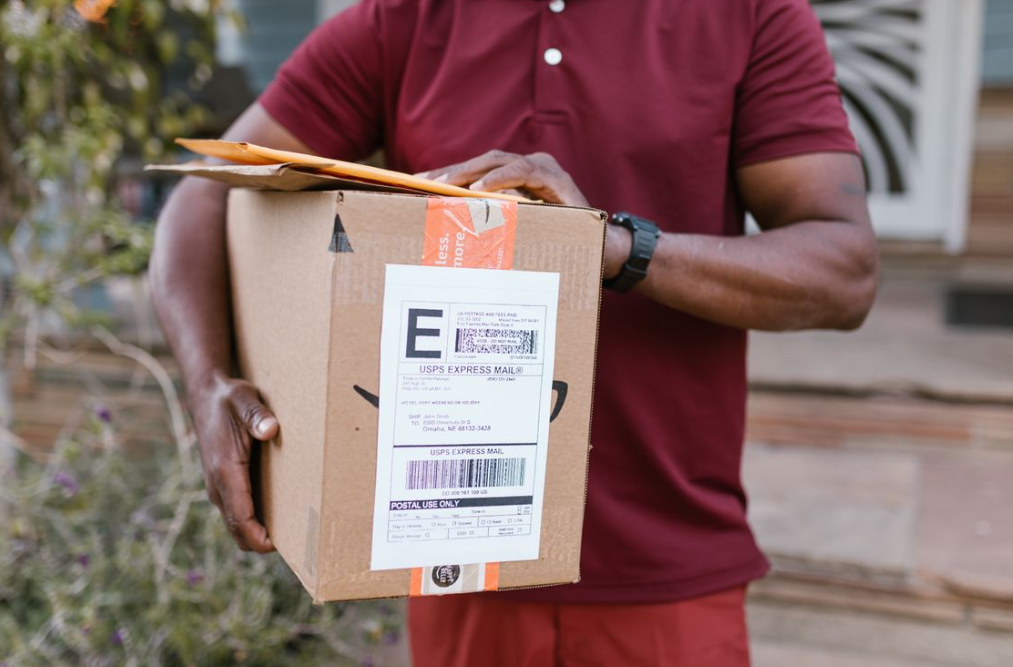
The answer depends on the country, product, service, and postcode.
National Postal Operators and Parcel Carriers
Postal operators and parcel networks handle much of ecommerce delivery. Examples include USPS, Royal Mail, Canada Post, Australia Post, DHL, FedEx, UPS, DPD, Evri, and GLS. Coverage differs by country and postcode, and carriers may use local partners.
Retailer-Owned Fleets and Local Courier Networks
Retailers may operate vehicles or hire local couriers for same-day orders, groceries, meals, pharmacies, or urgent parts. This offers control but needs enough order density to keep routes productive.
Specialized Final-Mile Providers
Furniture may need an appointment and two-person handling. Medical products may require temperature records. High-value goods may need identity checks, while industrial parts may go to a loading dock.
The delivery method must match the product. Sending a refrigerator through a small-parcel workflow is not bold innovation. It is a bad Tuesday waiting to happen.
How a 3PL Coordinates Without Driving the Van
A 3PL can select services, create labels, transmit data, arrange partners, collect tracking, and escalate exceptions. It may not employ the person at the door. A strong ecommerce fulfillment from China workflow connects warehouse processing with local tracking, while the destination carrier controls the physical attempt.
Why Last-Mile Delivery Is So Difficult and Expensive
Long-haul transport gains efficiency by moving large volumes together. Last-mile delivery loses much of that advantage. One vehicle makes many short stops, often for one or two parcels at each address.
Common cost drivers include:
- Driver time and labor
- Stop-and-go fuel or energy use
- Traffic and parking
- Low delivery density in rural areas
- Apartment and building access
- Narrow customer time windows
- Failed attempts and redelivery
- Peak-season temporary capacity
- Oversized or special-handling products
The DHL last-mile delivery guide cites an industry estimate that the last mile can represent 41% of total delivery cost. That percentage is not universal. A dense parcel route and a scheduled two-person appliance delivery have very different economics. Still, the estimate shows why retailers pay close attention to this stage.
Speed adds another tradeoff. Same-day delivery leaves less time to combine nearby orders into efficient routes. Faster can be better for the customer, but only if the price, order density, and margin support it.
Labels, Packaging, Address Data, and Delivery Standards
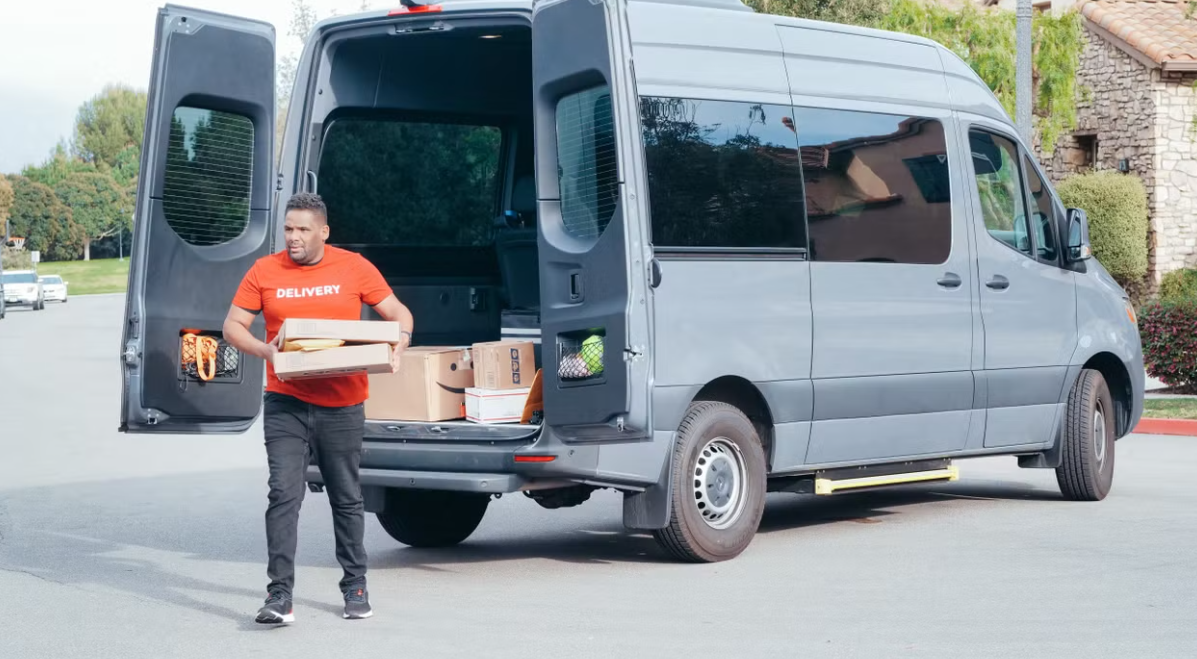
Good last-mile performance starts before the parcel reaches the local depot.
Shipping Labels and Scannable Identification
A shipping label normally includes the recipient, address, postcode, tracking number, barcode, service, and routing marks. It must remain readable through repeated handling.
For larger units, the GS1 Logistic Label Guideline explains identifiers such as the Serial Shipping Container Code. Consumer parcel labels differ, but every physical unit still needs accurate, scannable identification.
Place the label on a flat surface. Avoid edges, box seams, glossy tape over sensitive barcodes, and old labels that may confuse scanners.
Packaging Materials for the Final Mile
Choose packaging for the real handling environment:
- Corrugated cartons for crush protection
- Padded mailers for small, non-fragile items
- Dividers and molded inserts for movement control
- Moisture protection for doorstep exposure
- Thermal packaging for temperature-sensitive goods
- Tamper evidence for high-value or regulated products
More material is not automatically safer. An oversized box creates empty space, raises dimensional weight, and lets the product move. Aim for suitable protection with little wasted volume.
International Address Quality
Countries arrange address elements differently. Building numbers, regions, floors, and apartment units may appear in different places.
The UPU S42 international addressing standard uses common elements with country-specific templates. The practical lesson is to validate by destination rather than force every customer into one format.
Collect the postcode, city, state or region where required, apartment number, country, phone number, and useful access information. Preserve local-language characters when the carrier supports them.
Proof of Delivery and Customer Privacy
Choose proof based on risk. A low-value accessory may allow safe-place delivery, while a laptop may need a PIN. Photos, signatures, GPS, and names are customer data, so collect only what the service needs and follow applicable privacy rules.
How Last-Mile Delivery Changes by Industry
|
Industry or application
|
Delivery requirement
|
Common risk
|
Useful solution
|
|
Standard ecommerce parcels
|
Trackable home or pickup delivery
|
Address error or missed attempt
|
Validation, alerts, lockers
|
|
Grocery and meals
|
Tight time and temperature window
|
Delay or spoilage
|
Local hubs and live ETA
|
|
Apparel and footwear
|
Convenient delivery and returns
|
High return volume
|
Pickup points and local returns
|
|
Electronics
|
Security and damage control
|
Theft or impact damage
|
PIN, signature, fitted packaging
|
|
Pharmaceuticals
|
Temperature and identity control
|
Excursion or wrong recipient
|
Validated packaging and audited handoff
|
|
Furniture and appliances
|
Scheduled, careful handling
|
Access failure or product damage
|
Two-person white-glove service
|
|
B2B and industrial parts
|
Business-hour or dock delivery
|
Closed site or wrong contact
|
Appointment and site instructions
|
|
Crowdfunding rewards
|
Large release wave with many SKUs
|
Address age and peak volume
|
Address lock, staged dispatch, clear updates
|
The right service depends on the order, not just the industry. A replacement part and a full appliance may both be "electronics," but their delivery needs have little in common.
How Cross-Border Last-Mile Delivery Works
Cross-border ecommerce adds handoffs. A parcel may pass through a China warehouse, export network, international line haul, customs, destination injection, and a local carrier.
This is one part of the broader China fulfillment workflow. The last mile begins only after the destination network can take responsibility for delivery.
Destination Injection and Carrier Handoff
Parcels are often consolidated for transport and separated after arrival. The local carrier may differ by country, postcode, weight, or service. Ask who performs delivery in each important market, not only who accepts the shipment in China.
Tracking Gaps Between Networks
Common tracking milestones include:
- Electronic shipment data received
- International departure
- Destination arrival
- Customs released
- Local carrier accepted
- Out for delivery
- Delivered or exception
A quiet period between customs release and local acceptance may reflect handoff processing. If it exceeds the normal pattern, request an investigation.
Duties, Unpaid Charges, and Refusal
Some services collect duties before delivery; others ask the recipient to pay. Unpaid charges can stop delivery. State the tax arrangement at checkout because surprise requests cause refusals and support tickets.
What the Seller Can and Cannot Control
The seller controls address collection, packaging, carrier choice, delivery promises, notifications, and escalation rules. The local carrier controls route execution, scans, and the physical attempt. Customs, weather, traffic, and access restrictions may sit outside both parties' control.
Separate those responsibilities. Otherwise every problem becomes "the shipping company's fault," which is not useful for fixing it.
Common Last-Mile Problems and Practical Fixes
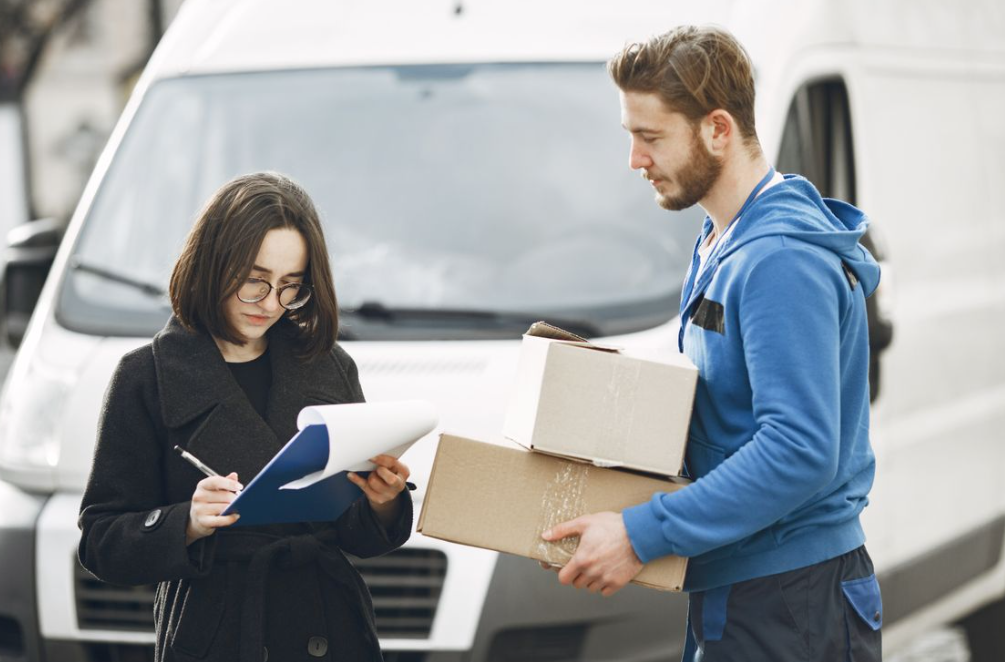
Tracking Says Delivered, but the Customer Cannot Find It
Check the POD, safe place, reception, neighbors, locker, GPS, and local tracking number. Contact the carrier within its claim window instead of asking the customer to wait without evidence.
The Parcel Is Out for Delivery but Does Not Arrive
The route may be overloaded, access may have failed, or the parcel may be missorted. If there is no update by the next working day, use the local carrier's support process.
The Carrier Says the Address Is Incorrect
Validate before dispatch. Require unit numbers, check postcode-city combinations, and use country codes for phone numbers. Corrections after export may be limited or chargeable.
Repeated Failed Delivery Attempts
Send delivery alerts and make rescheduling easy. Offer lockers, pickup points, safe-place delivery, signature, or PIN according to order risk. A second identical attempt at the same empty address is activity, but not really progress.
Damage During the Final Mile
Use product-fit packaging, control empty space, protect corners, and test the packed order. A "fragile" label cannot replace physical protection.
The Parcel Is Being Returned to Sender
Confirm whether interception is still possible and compare the return cost with the product value. Low-value cross-border goods may be better handled through a local return hub or another approved disposition. Detailed planning belongs in a wider returns and reverse logistics policy.
How Ecommerce Sellers Can Improve Last-Mile Delivery
Improve Checkout Data Before Improving the Route
Address validation is not glamorous, but it works. Check required fields, postcode-city matches, apartment numbers, phone formats, and unsupported PO boxes before dispatch.
Match Carriers to Countries, Postcodes, and Products
Compare more than label price. Review coverage, first-attempt success, tracking, delivery days, lockers, POD, claims, and return rules. A carrier can be strong in France and weak next door because local partners differ.
Give Customers Useful Delivery Choices
Offer choices the network supports: home delivery, pickup point, locker, scheduled window, signature, or safe place. A slower locker can beat a fast home service that keeps missing the customer.
Send Notifications That Prevent Failure
Notify customers at carrier acceptance, local handoff, out for delivery, delay, failed attempt, and pickup deadline. Say what happened and what to do next.
Build a Clear Exception Playbook
Define when support waits, contacts the carrier, requests data, reships, refunds, or files a claim. Clear rules prevent ten people from improvising ten answers.
Place Inventory Closer When Order Density Supports It
Direct-from-China fulfillment can serve uncertain global demand. Regional inventory can speed up proven products, and a hybrid model can use both. Moving stock closer shortens the upstream journey, but the business still needs correct orders and suitable carriers.
For broader tactics across fulfillment, customs, routing, and destination delivery, read how to improve delivery speed when shipping from China.
Last-Mile Delivery KPIs Worth Tracking
|
KPI
|
Simple definition
|
What it reveals
|
Caution
|
|
On-time delivery rate
|
Orders delivered within the promised window
|
Promise reliability
|
The promise must be realistic
|
|
First-attempt delivery rate
|
Deliveries completed on the first try
|
Address and recipient readiness
|
Locker deliveries need separate treatment
|
|
Local delivery time
|
Time from local acceptance to delivery
|
Destination-network speed
|
Separate working and calendar days
|
|
Cost per delivered order
|
Last-mile cost divided by successful deliveries
|
Delivery economics
|
Include redelivery and surcharges
|
|
Exception rate
|
Orders receiving a delivery exception
|
Operational friction
|
Compare exception reasons, not just totals
|
|
Damage or loss rate
|
Damaged or lost orders as a share of shipments
|
Handling and security quality
|
Low volume can distort the percentage
|
|
Tracking completeness
|
Orders with required milestone scans
|
Visibility quality
|
A delivered parcel can still have poor tracking
|
|
WISMO contact rate
|
"Where is my order?" contacts per shipment
|
Customer uncertainty
|
Support wording affects the result
|
|
Return-to-sender rate
|
Parcels returned without successful delivery
|
Address, tax, and attempt problems
|
Separate refusal from invalid address
|
|
Delivery rating
|
Customer score for the delivery experience
|
Customer perception
|
Survey response bias matters
|
Segment results by country, postcode type, product, service, and season. A rural economy route should not be judged against a premium urban courier. Look at exception reasons too, because an average can hide a painful minority of orders.
Conclusion
Last-mile delivery begins when an order enters a local destination network and ends when the recipient receives it, collects it, or triggers an exception. Between those points, the parcel is identified, sorted, assigned to a route, loaded, attempted, and closed with proof or a next action.
The hard part is not the distance. It is turning one efficient bulk flow into many individual delivery promises.
Ecommerce sellers can improve the result with accurate checkout data, readable labels, suitable packaging, market-specific carriers, useful notifications, and a clear exception process. Measure first-attempt success and tracking quality, not only headline speed. That is how the last mile becomes less mysterious and, honestly, a little calmer.
Frequently Asked Questions
1. What is last-mile delivery in simple terms?
Last-mile delivery is the final movement of an order from a local hub, depot, store, or fulfillment center to the recipient. It usually includes local sorting, route assignment, a delivery attempt, and proof of delivery or an exception.
2. Where does last-mile delivery begin and end?
It normally begins when the destination delivery network accepts the parcel at a local or regional node. It ends when the parcel is delivered, collected from a locker or pickup point, refused, or moved into return processing.
3. Is last-mile delivery the same as final-mile delivery?
Usually, yes. The terms are synonyms. "Final mile" appears more often in bulky or scheduled services, such as furniture, appliances, medical equipment, and white-glove delivery.
4. How long does last-mile delivery usually take?
Standard parcel delivery often takes one to three working days after local carrier acceptance, but the range varies. Distance, service level, weekends, route capacity, weather, address quality, and failed attempts can add time.
5. Why is last-mile delivery so expensive?
One vehicle must make many individual stops. Driver time, traffic, parking, low rural density, narrow windows, failed attempts, and special handling raise the cost. Fast services may also have less time to group nearby deliveries efficiently.
6. What does handed to the last-mile carrier mean?
It means the parcel has been transferred, physically or electronically, to the company expected to complete local delivery. A new tracking number may appear. The status does not always mean the local carrier has already scanned the physical parcel.
7. Does out for delivery mean the parcel will arrive today?
It means the parcel is assigned to a delivery route and the carrier intends to attempt delivery that day. Most do arrive, but route overflow, missorting, weather, vehicle trouble, or access problems can move the attempt to another day.
8. What happens after a failed delivery attempt?
The carrier may try again, send the parcel to a pickup point, ask for address correction, hold it at a depot, or return it. The next step depends on the carrier, service level, destination, and reason for failure.
9. How does proof of delivery work?
Proof of delivery records evidence that the carrier completed the stop. It may include a signature, recipient name, photo, PIN, GPS location, timestamp, or locker scan. The suitable method depends on product value, risk, privacy, and local rules.
10. How can ecommerce sellers improve last-mile delivery?
Validate addresses, use readable labels and suitable packaging, choose carriers by destination and product, send timely alerts, offer practical delivery options, and create clear exception rules. Then track first-attempt delivery, exceptions, returns, cost, and customer contacts.
 Post Views:2689
 TAGS:
TAGS:
Copyright statement: The copyright of this article belongs to the original author. Please indicate the source for reprinting.
Previous Post
How to Choose an International Shipping Route by Parcel Weight, Value, and Destination
Next Post
TAGS
Hot Research
Recent News
- Where Does Shein Ship From
- What Is Ecommerce Fulfillment? The Definition, Process, and Benefits
- Third Party Logistics Definition, Process, and Advantages
- Sustainable Ecommerce Packaging From China: Materials, Tradeoffs, and Costs
- Fragile Product Fulfillment From China: Packaging and Handling Requirements
Get Custom eCommerce Fulfillment Service
Book a Meeting
Get a Custom China Fulfillment Solution with FREE Storage for 30 Days
Want to know about our services, fees or receive a custom quote?
 Want to know about our services, fees or receive a custom quote?
Please fill out the form on the right and we will get back to you within a business day.
The more information you provide, the better our initial response will be.