




Table of Contents
Table of Contents
Most sellers don't go looking for a 3PL fulfillment center until the spare room is full. Cartons behind the door, a tape gun on the bed, labels printing at 11 at night. Sales are fine. The packing is what's falling apart.
If that sounds familiar, you've probably read a few guides on this already. A lot of them end with a sign-up button. To be fair, this one has one too, since we run a fulfillment business in China.
We tried to put the useful stuff first though. That means what goes on inside the building, how the bill gets put together, and whether stock should sit near the factory or near your buyers. There's also a section on when outsourcing just isn't worth it yet.
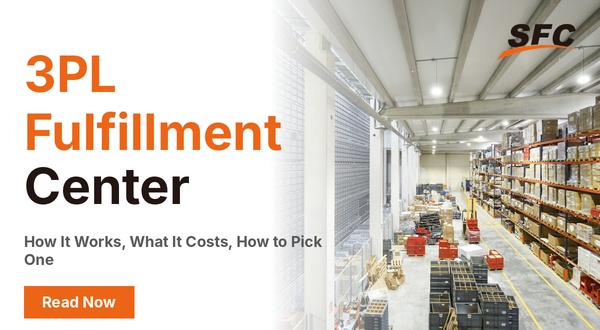
What Is a 3PL Fulfillment Center, Really?
A 3PL (third-party logistics provider) is a company you pay to store your stock and get orders out the door. Most of them take care of returns as well. Our earlier post on what third-party logistics covers breaks down the different kinds of 3PL if you want more background.
The fulfillment center is the building. The 3PL is the company running it, and a bigger 3PL may run several buildings in different countries.
People use the two words for the same thing all the time and nobody gets confused. It only starts to matter when you compare quotes, because a 3PL with more than one site can split your stock between them and a single-site one can't.
Outsourcing this work is pretty normal by now. Research firm Armstrong & Associates estimates global 3PL revenue at about $1.3 trillion for 2025. Most of that money is freight and contract logistics for big companies, not parcels for online shops. Plenty of brands hand this work off anyway.
3PL vs Fulfillment Center vs Warehouse vs Distribution Center
The four terms below get mixed up a lot.
|
Term
|
What it is
|
Main job
|
Typical user
|
How fast stock moves
|
|---|---|---|---|---|
|
3PL
|
A service company
|
Runs logistics for other businesses
|
Brands, online sellers, importers
|
Depends on the service
|
|
Fulfillment center
|
A facility
|
Ships individual orders to end buyers
|
Online stores, DTC brands, crowdfunding creators
|
Fast, outbound every day
|
|
Warehouse
|
A facility
|
Holds goods for longer periods
|
Wholesalers, manufacturers
|
Slow, weeks to months
|
|
Distribution center
|
A facility
|
Restocks stores or business accounts, usually in bulk
|
Retail chains, B2B sellers
|
Medium, in cartons and pallets
|
So a fulfillment center is a kind of warehouse. The difference is that it's set up to pick and pack single orders all day, and a plain warehouse usually isn't.
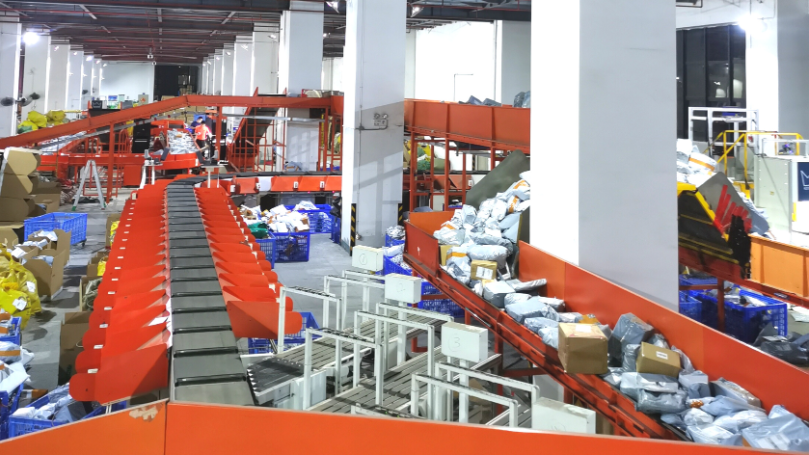
How Orders Move Through a 3PL Fulfillment Center
Most diagrams online show four boxes: receive, store, pick, ship. In practice there are more steps than that. The ones left out of the diagram tend to be the ones that cause trouble. This is how it runs at SendFromChina, in three stages.
Inbound: ASN, Receiving, QC and Put-Away
Before anything shows up, the 3PL needs your product data: names, SKUs, sizes and weights. You send it through their system, a spreadsheet or an API.
Then you create an ASN (advance shipping notice). It just tells the warehouse what's on the way and what's inside the cartons. Your supplier ships, and the team counts and checks the goods. They add labels where needed and put everything on the shelves.
If the ASN gets skipped, cartons can sit in receiving for a while because nobody's sure who they belong to. We see this more often than you'd guess.
Inventory and Order Intake
Shelved stock shows up as available inventory. Orders can come in by hand, by spreadsheet, from a connected store or through an API.
Which one fits depends on how you sell. A crowdfunding campaign shipping a couple of thousand rewards at once can get by with one file upload. A Shopify store getting orders every hour really needs the store connection, otherwise someone ends up copying orders over by hand.
Pick, Pack, Kitting and Shipping
Picking is pulling the right SKU off the shelf. Packing is getting it into a box that fits, with enough padding and the right label on it. Kitting means bundling several items into one package, for example a starter set or one crowdfunding reward tier.
After that the parcel goes to the carrier. The tracking number gets sent back to your store, and that's what sends your customer the shipping email.
Returns, Damage and Customs Exceptions
Brochures usually leave this stage out. Parcels get stuck in customs, run late, arrive damaged or come back. A good 3PL lets you know fast and has a set way of handling each case. With a poor one you tend to hear about it from the customer first.
The table puts the three stages together, along with what you need to send over at each one.
|
Stage
|
What happens
|
What you provide
|
|---|---|---|
|
Inbound
|
Confirm your needs, open an account, set up products, create the ASN, supplier ships in, receiving and QC, put-away
|
Product details, SKU list, sizes and weights, supplier contact and delivery info, ASN and carton marks
|
|
Outbound
|
Inventory management, order intake, pick and pack or kitting, international shipping, tracking sent back
|
Order files or store/API access, packaging requirements, destinations and service expectations
|
|
After-sales
|
Customs issues, delays, damage, returns
|
Accurate declared values, confirmation of any restricted items
|
3PL Fulfillment Services: What's Usually Included (and What Isn't)
"Full service" doesn't mean the same thing at every company. Below is roughly what a list of 3PL fulfillment services looks like, and what to ask about on each line.
|
Service
|
What it covers
|
Worth checking
|
|---|---|---|
|
Warehousing
|
Receiving, storage, inventory tracking
|
How storage is billed: per unit, bin, pallet or cubic volume
|
|
Pick and pack
|
Picking SKUs, packing, labeling
|
Per-order vs per-item fees, and whether boxes are included
|
|
Kitting and assembly
|
Bundling items into sets or tiers
|
Priced per kit or by labor hour
|
|
Value-added services
|
Custom packaging, inserts, relabeling, repacking, quality checks
|
Not always included, and rarely free
|
|
Shipping
|
Carrier choice, labels, tracking
|
Which destinations, and who prepares customs paperwork
|
|
Returns
|
Receiving, inspecting, restocking
|
Fee per return, and what happens to damaged units
|
|
Integrations
|
Store connections, API, spreadsheet upload
|
Which platforms are supported, confirmed in writing
|
|
Amazon prep
|
Inspection, labeling and packing to Amazon rules
|
Requirements confirmed shipment by shipment
|
Kitting and Amazon prep are the two lines people tend to underestimate. If you sell sets or bundles, get kitting and assembly priced early, since it adds handling to every order. If any of your stock goes into Amazon, ask about FBA prep by name. Amazon can turn away a shipment that's labeled or packed wrong, and sorting that out can cost you a couple of weeks.
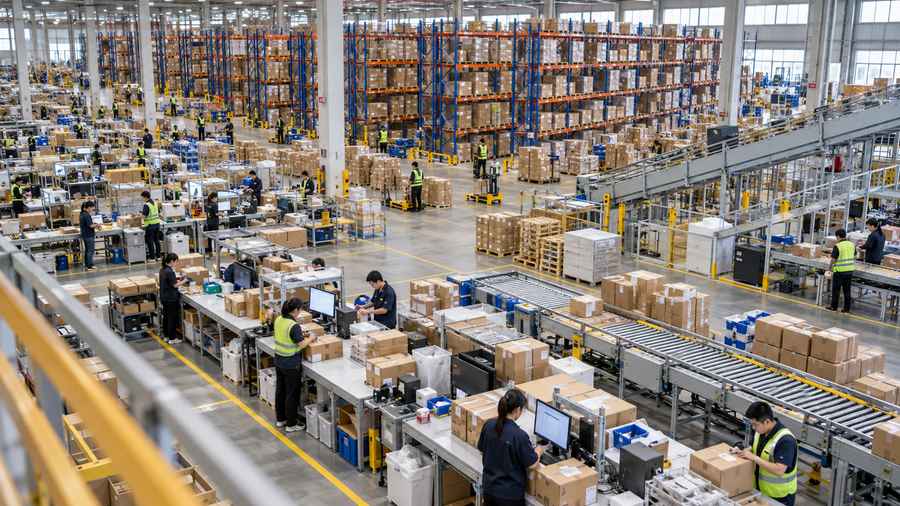
How 3PL Fulfillment Center Pricing Works
This is the section most people came for. There isn't one price for 3PL fulfillment, and if someone gives you a single number before asking what you sell, they're guessing. The bill is made up of separate parts.
The Usual Fee Components
|
Fee
|
What drives it
|
|---|---|
|
Receiving
|
Number of cartons, pallets or labor hours, and how messy the inbound is
|
|
Storage
|
How much space your stock takes and for how long
|
|
Pick and pack
|
Number of orders and items per order
|
|
Packaging materials
|
Box type, fillers, custom or branded packaging
|
|
Shipping
|
Destination, weight, size, product type and carrier
|
|
Duties and VAT
|
Destination rules and declared value
|
|
Extras
|
Barcodes, insurance, kitting, returns, special projects
|
Typical Fee Ranges in 2026
Pricing surveys published in 2026 give a rough picture for US-based warehouses. The figures come from third-party surveys, not from SendFromChina, and real quotes can land well above or below them.
|
Fee
|
Common range in US 2026 surveys
|
|---|---|
|
Pick and pack, first item
|
About $2.75 to $4.25 per order
|
|
Each additional item
|
About $0.25 to $0.75
|
|
Pallet storage
|
About $18 to $25 per pallet per month
|
|
Receiving
|
About $5 to $15 per pallet
|
The same surveys found that receiving, storage, packaging, minimums and surcharges often push the real invoice 15% to 50% above the headline pick-and-pack rate. Comparing 3PLs on that one rate doesn't tell you much.
Hidden Costs: Dim Weight, Minimums and Surcharges
Dimensional weight catches a lot of sellers out. Carriers bill by box size as well as weight, so something light but bulky, like a pillow or a boxed board game, gets charged as if it were heavier. Tighter packing helps here. Loose packing costs you a bit on every parcel.
Smaller charges to look out for:
- Monthly minimums, where you pay a floor amount even in a slow month
- Account setup or onboarding fees
- Long-term storage fees for stock that sits too long
- Peak season and residential delivery surcharges from carriers
- Fees for special projects like relabeling a whole batch
Working Out Your All-In Cost per Order
To get your all-in cost, add up the whole monthly invoice (fulfillment, storage, shipping and extras) and divide it by the number of orders you shipped that month.
Say the month comes to $6,000 and you shipped 1,000 orders. That's $6 an order (made-up numbers, just to show the math). Then work out what doing it yourself costs: rent, boxes, carrier rates without volume discounts, and your own time. The time is the one people leave out, and it's often the biggest number.
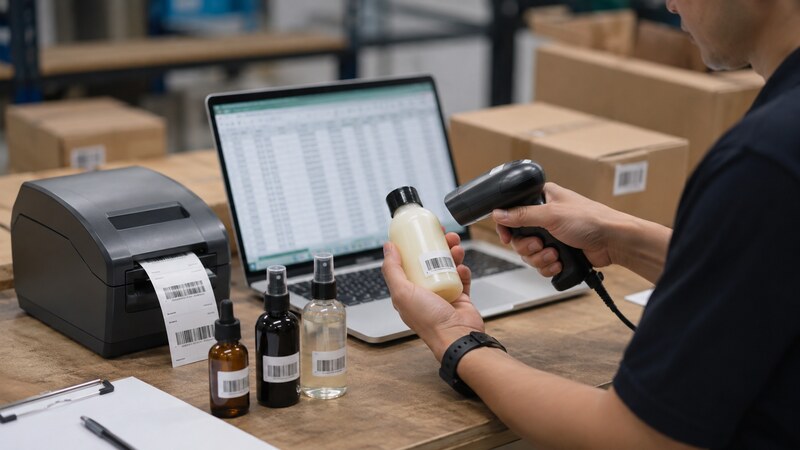
China-Based or Destination 3PL Fulfillment Center?
Most guides don't cover this at all. If your products are made in China, though, where the stock sits is probably the biggest fulfillment call you'll make.
You've got three basic options:
- Destination 3PL. Stock goes in bulk to a warehouse in the US or Europe, and orders ship locally from there. Customers get their parcels quickly. The catch is that you pay freight and import duties on the whole batch before you sell any of it. If it doesn't sell, it just sits there.
- China-based 3PL. Stock stays close to the factory and each order ships straight to the buyer from China. It takes longer to arrive. On the other hand there's no big upfront import, new SKUs are easy to add, and goods only get handled once.
- Hybrid. Bestsellers go to a destination warehouse and everything else ships from China.
|
Factor
|
China-based 3PL
|
Destination 3PL
|
|---|---|---|
|
Delivery time to customer
|
Longer, includes international transit
|
Shorter, domestic delivery
|
|
Upfront inventory commitment
|
Low, ship as orders come in
|
High, bulk shipment first
|
|
Import duties
|
Paid per parcel (DDP) or by the recipient (DDU)
|
Paid on the bulk import
|
|
Adding new SKUs
|
Easy, it's already near the supplier
|
Needs another inbound shipment
|
|
Returns
|
Harder to send back to China
|
Easier, handled locally
|
|
Good fit for
|
Wide catalogs, product testing, crowdfunding waves
|
Bestsellers, quick-delivery promises
|
When Fulfilling from China Makes Sense
- You have a wide catalog with lots of slow-moving SKUs
- You're testing new products and don't want to commit to a container
- You run crowdfunding fulfillment and need to ship one big wave of rewards to many countries
- You publish tabletop games with expansions and add-ons, where board game fulfillment means juggling lots of SKUs per backer
- You want goods checked before they leave the country they were made in
If you buy from several factories, merging the goods in one place before they ship anywhere also helps. That's what consolidated shipping from China covers.
When a US or EU Warehouse Wins
- Your customers expect delivery in two or three days
- You sell high volumes of a few SKUs
- Your return rate is high
- Items are heavy or bulky, so international postage per parcel wrecks the margin
DDP vs DDU: Who Pays the Duties
Sellers mix these two up a lot. With DDP (delivered duty paid), duties are included in the shipping cost and the buyer pays nothing extra on delivery. With DDU (delivered duty unpaid), the buyer pays any duties or VAT when the parcel arrives.
At SendFromChina, DDP only works for declared values up to $150, and it doesn't cover Alaska, Puerto Rico, Hawaii or Guam. With DDU the recipient pays any VAT, so make that clear to buyers before checkout. Several markets have been changing their rules for low-value parcels lately. Check what applies now before you tell customers there won't be extra fees.
Who Uses 3PL Fulfillment Centers (and Who Shouldn't)
|
Seller type
|
Why they use a 3PL
|
|---|---|
|
Shopify and DTC brands
|
Stock is made in China, orders come in daily, and they'd rather spend time on marketing
|
|
Amazon sellers
|
Inspection, labeling and prep before stock goes into Amazon, or backup for self-fulfilled orders
|
|
Crowdfunding creators
|
One big shipping wave after the campaign, with lots of reward tiers
|
|
Board game publishers
|
Many SKUs: base game, expansions, deluxe editions, add-ons
|
|
Small importers
|
Storage, consolidation and fulfillment without leasing a building
|
A 3PL is usually a poor fit if you:
- Sell heavily regulated goods like medical devices, food, drugs, controlled items or dangerous goods
- Ship very few orders but each one needs lots of manual handling
- Actually need custom manufacturing or product development, which is a different service
- Need guaranteed delivery dates or guaranteed customs clearance, which nobody can honestly promise
Signs You're Ready to Outsource Fulfillment
There isn't a set order count where it suddenly makes sense. These are the usual signs:
- You spend more hours packing than selling
- Wrong items or missing items are creeping into your reviews
- Your stock has outgrown the spare room and is working on the garage
- Every peak season feels like a small disaster
- You want to sell in new countries and don't know where to start with shipping
If you ship a handful of orders a month, or your product still changes every week, it's probably too early. Same if every package needs your personal touch. Once you get there, our guide to third-party fulfillment services covers the benefits in more detail.
How to Choose a 3PL Fulfillment Center
You're handing a 3PL a big part of your operations, so it's worth being about as careful as you'd be with a key hire.
|
What to check
|
What good looks like
|
|---|---|
|
Location
|
Near your suppliers or near your buyers, depending on the model you picked above
|
|
Integrations
|
Your store platform is supported, and they show you how it works
|
|
Performance numbers
|
Order accuracy, time from arrival to shelf, on-time shipping rate, and how each is measured
|
|
Pricing clarity
|
A full fee schedule, including minimums and surcharges
|
|
Contract terms
|
Length, exit terms, notice period, and who owns your data
|
|
Onboarding
|
A clear timeline and a named person who sets you up
|
|
Customs experience
|
They know your destination markets and your product type
|
|
Communication
|
A real contact who answers within a day
|
|
Product fit
|
They can handle your sizes, fragile items and any batteries
|
Questions to Ask Before You Sign
- Can I see a sample invoice for a business my size?
- How do you bill storage, and when do long-term fees kick in?
- Is there a monthly minimum?
- How do you measure order accuracy, and what happens when you get one wrong?
- How long from my stock arriving to it being available for orders?
- Which store platforms connect directly, and which need a spreadsheet?
- Who prepares customs paperwork, and who pays duties for each destination?
- What's your process when a parcel is damaged, delayed or held at customs?
- Can you handle kitting, inserts or custom packaging, and what does it cost?
- How much notice do I need to give if I want to leave?
Common 3PL Problems and How to Head Them Off
Something will go wrong eventually. The thing to watch is whether the same problem keeps coming back.
|
Problem
|
Usual cause
|
How to prevent it
|
|---|---|---|
|
Inventory doesn't match
|
Stock arrived without an ASN, or cartons were labeled poorly
|
Always send an ASN, mark cartons clearly, ask for regular counts
|
|
Damaged goods
|
Packaging too weak for fragile items
|
Agree a packaging spec up front and test-ship a few orders
|
|
Customs holds
|
Wrong declared value, missing HS code, restricted items
|
Declare accurately and confirm restricted items before shipping
|
|
Peak season delays
|
Late inbound stock, tight carrier capacity
|
Send stock early and share a forecast
|
|
Surprise invoices
|
Fee schedule nobody read properly
|
Ask for a sample invoice before signing
|
Terms You'll Hear: ASN, SKU, WMS, SLA, HS Code, Incoterms
|
Term
|
Plain meaning
|
|---|---|
|
SKU
|
Stock keeping unit, a code for each product variant
|
|
ASN
|
Advance shipping notice, a heads-up about what's arriving
|
|
WMS
|
Warehouse management system, the software tracking stock and orders
|
|
SLA
|
Service level agreement, the performance promises in your contract
|
|
HS code
|
Harmonized System code, the customs category for a product
|
|
Incoterms
|
Standard trade terms from the International Chamber of Commerce, covering who pays and handles what
|
|
DDP / DDU
|
Whether duties are prepaid by the sender or paid by the recipient
|
|
Dimensional weight
|
Billing weight based on box size, not just actual weight
|
Where SendFromChina Fits
SendFromChina is a third-party fulfillment partner based in China. Most of our customers sell online in North America and other English-speaking markets, and they make or buy their products in China.
Our services include China warehousing with receiving, inspection and labeling, order fulfillment for store and spreadsheet orders, pick and pack, value-added services like custom packaging and inserts, and international ecommerce shipping with tracking.
Pricing is quote-based because it depends on your products and where they're going. A quote covers storage, shipping, pick and pack and VAT where it applies. Packaging, barcodes or insurance get added if you need them. Reference transit times by destination are below.
|
Destination
|
Reference transit time (business days)
|
|---|---|
|
United States
|
7 to 12
|
|
United Kingdom
|
3 to 6
|
|
Canada
|
8 to 13
|
|
Australia
|
8 to 13
|
|
European Union
|
8 to 13
|
Treat these as reference ranges rather than promises. Route, carrier, customs, product type and time of year all affect them. For figures based on your own products, request a quote and we'll go through them with you.
Conclusion
A 3PL fulfillment center won't fix a weak product or a bad ad. It takes the boxes and late-night labels off your hands so you have more time for the rest of the business.
Before signing with anyone, work out your all-in cost per order instead of looking only at the pick-and-pack rate. Decide whether stock should sit near the factory or near your buyers. Then ask about minimums, customs and what happens when an order goes wrong. With those answers in hand, picking a partner gets a lot easier.
FAQs
What is a 3PL fulfillment center?
It's a facility run by a third-party logistics company that stores your products and ships orders to your customers for you. It usually handles receiving, storage, picking, packing, shipping and returns.
What's the difference between a 3PL and a fulfillment center?
A 3PL is the company providing the service. A fulfillment center is the building where the work happens. One 3PL can run several fulfillment centers.
How much does a 3PL fulfillment center charge?
It depends on your products, order volume and destinations. 2026 industry surveys of US warehouses put pick and pack at roughly $2.75 to $4.25 per order, plus storage, receiving and shipping. Always compare all-in cost per order.
Is Amazon FBA a 3PL?
Sort of. FBA is Amazon's own fulfillment program, mainly built for orders on Amazon. A general 3PL works across sales channels and usually gives you more say over packaging and inventory.
What are the main types of order fulfillment?
The common ones are in-house fulfillment, outsourced 3PL fulfillment, dropshipping and a hybrid of these. Many growing brands mix them, for example keeping bestsellers in one place and the long tail in another.
When should a small business switch to a 3PL?
Usually when packing eats more time than selling, errors start showing up, or you run out of space. If you ship only a few orders a month, it may be too early.
What's the difference between a 3PL and a 4PL?
A 3PL runs the physical work like storage, packing and shipping. A 4PL manages your wider supply chain and often coordinates several 3PLs and carriers for you.
Can a 3PL fulfillment center ship internationally and handle customs?
Many can, but check the details. Ask which destinations they cover, who prepares customs paperwork, and whether you can ship DDP or DDU to your key markets.
How long does it take to onboard with a 3PL?
It varies with your SKU count and integrations. Expect a few weeks rather than a few days, covering product setup, store connection and your first inbound shipment.
Do 3PL fulfillment centers have minimum order requirements?
Some do, often as a monthly minimum spend rather than a fixed order count. Ask about it directly before signing, since it matters most in slow months.
 Want to know about our services, fees or receive a custom quote?