




Table of Contents
Get Custom eCommerce Fulfillment Service
Book a Meeting
Guide to Ecommerce International Shipping
Time: Mar 17,2026 Author: SFC Source: www.sendfromchina.com
Selling products globally is no longer reserved for large corporations. Today, even small ecommerce brands can reach customers across continents. Cross-border ecommerce has grown rapidly in recent years, fueled by global marketplaces, digital payments, and faster logistics networks.
But international shipping is not simply a matter of sending a parcel overseas. It involves customs regulations, duties and taxes, multiple carriers, documentation, and customer expectations around delivery time and transparency.
This guide explains how ecommerce international shipping works, what challenges businesses face, and how companies can build an efficient global shipping strategy. Whether you are launching your first cross-border store or scaling globally, understanding these fundamentals will help you avoid costly mistakes and deliver a better customer experience.
Understanding Ecommerce International Shipping
Ecommerce international shipping refers to the process of delivering online orders across national borders. It includes several stages: order fulfillment, transportation, customs clearance, last-mile delivery, and sometimes returns.
Unlike domestic shipping, cross-border logistics usually involves multiple partners. A typical shipment may pass through an origin carrier, an international transport provider, a customs broker, and a destination courier before reaching the customer. Without integrated tracking and logistics coordination, packages may appear to “disappear” during these handoffs.
The growth of global ecommerce has significantly increased international parcel volume. For example, the European Union reported billions of low-value ecommerce parcels entering the region annually, reflecting the massive scale of cross-border online shopping.
For ecommerce brands, international shipping represents both an opportunity and a logistical challenge.
Why International Shipping Matters for Ecommerce Businesses

Expanding into global markets can dramatically increase revenue potential.
Here are a few reasons why international shipping is becoming essential for online sellers:
Access to Global Customers
Ecommerce removes geographic limitations. A brand based in one country can sell products worldwide without opening physical stores.
Revenue Diversification
International markets help reduce reliance on a single region or economy.
Competitive Advantage
Brands that offer reliable cross-border shipping often gain trust and loyalty from international buyers.
Market Growth
Global ecommerce continues to grow every year, creating demand for efficient cross-border logistics solutions.
However, success in international shipping requires planning. Businesses must understand customs rules, shipping costs, and delivery expectations in each destination market.
Key Shipping Methods for International Ecommerce
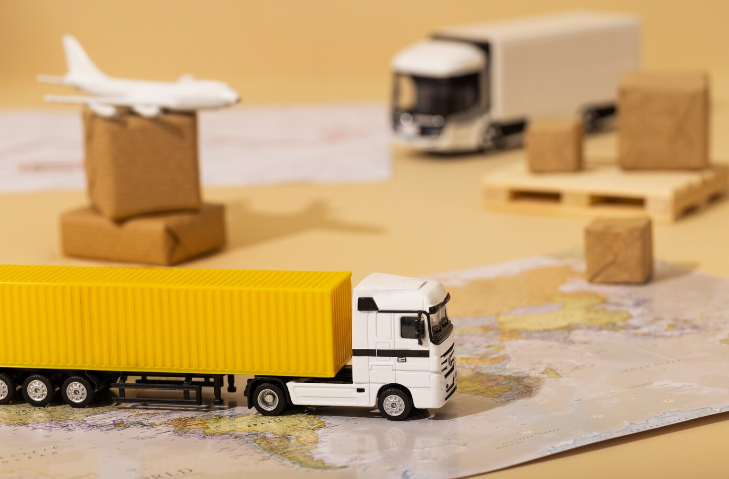
Different shipping methods suit different types of products, order volumes, and delivery speeds.
International Express Shipping
Express services are the fastest option for international ecommerce.
Typical characteristics:
Delivery time: 3–7 days
Higher shipping costs
End-to-end tracking
Reliable customs clearance support
Express shipping is commonly used for high-value or time-sensitive products.
Air Freight
Air freight is typically used for medium-volume shipments between warehouses or fulfillment centers.
Typical characteristics:
Delivery time: 5–10 days
Lower cost per kilogram than express
Suitable for bulk inventory shipments
Many ecommerce brands use air freight to replenish overseas warehouses.
Ocean Freight
Ocean freight is the most economical option for large shipments.
Typical characteristics:
Delivery time: 20–45 days
Lowest cost per unit
Suitable for heavy or bulky goods
For example, brands importing large quantities to overseas fulfillment centers often use full container load (FCL) or less-than-container load (LCL) ocean freight.
Understanding Customs Duties and Taxes
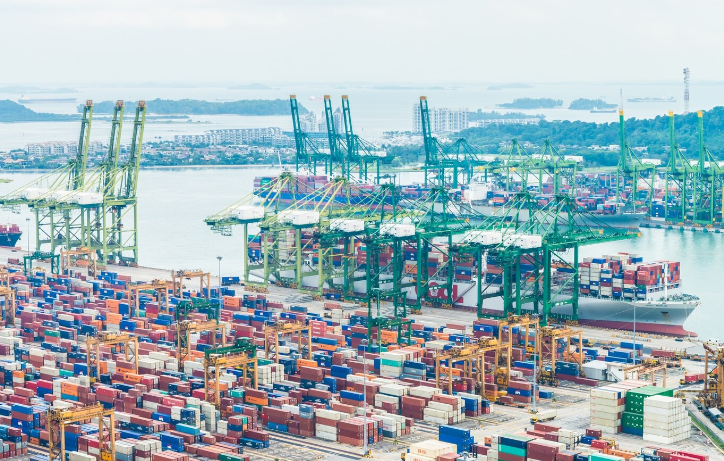
One of the biggest differences between domestic and international shipping is customs.
When goods cross borders, they may be subject to:
Import duties
Value-added tax (VAT) or goods and services tax (GST)
Customs processing fees
Brokerage charges
The amount of duty depends on several factors:
Product type
Harmonized System (HS) code
Declared value
Destination country regulations
HS Codes
The Harmonized System (HS) is a global classification system used to identify traded products. Each product category has a unique code used by customs authorities to determine applicable tariffs.
Incorrect HS codes can cause delays, penalties, or shipment seizures.
Duties and Taxes Strategy
Ecommerce businesses generally choose between two shipping models:
DDP (Delivered Duty Paid): The seller pays duties and taxes upfront, so the customer does not pay additional fees at delivery.
DDU / DAP (Delivered Duty Unpaid): The customer pays import duties and taxes upon delivery.
DDP often improves the customer experience by eliminating surprise charges at delivery.
Essential Documentation for International Shipping
Accurate documentation is critical for smooth customs clearance.
Common documents include:
Commercial Invoice
Packing List
Details the contents, weight, and dimensions of the shipment.
Air Waybill or Bill of Lading
A transport document issued by the carrier.
Customs Declaration Forms
For small parcels shipped through postal networks, forms such as CN22 are commonly used. These forms include details like item description, value, weight, and shipment category.
Incorrect documentation is one of the most common causes of customs delays.
Common Challenges in International Ecommerce Shipping
Even experienced sellers face obstacles when shipping globally.
Unexpected Duties and Fees
If customers are surprised by import charges, they may refuse delivery. This creates costly reverse logistics and customer service issues.
Long Transit Times
International shipments travel longer distances and pass through multiple checkpoints, increasing delivery time.
Tracking Gaps
Packages may change carriers during transit, causing temporary tracking visibility issues.
High Return Costs
International returns can sometimes cost more than the original shipment.
Regulatory Changes
Trade regulations change frequently. Businesses must stay informed about new rules affecting cross-border shipments.
Best Practices for Ecommerce International Shipping
Successful ecommerce brands follow several best practices to optimize international logistics.
Display Total Landed Costs at Checkout
Customers prefer transparency. Showing shipping costs, duties, and taxes upfront helps reduce cart abandonment.
Choose Multiple Shipping Options
Offering different delivery speeds allows customers to balance cost and convenience.
Example options:
Economy international shipping
Standard shipping
Express delivery
Work with a Reliable 3PL Partner
Third-party logistics providers specialize in cross-border fulfillment, customs compliance, and carrier management.
A strong 3PL partner can help businesses:
Manage international warehouses
Optimize shipping routes
Reduce delivery times
Simplify customs clearance
Use Automated Shipping Software
Automation tools can integrate with ecommerce platforms and generate shipping labels, track packages, and calculate duties.
Platforms like Easyship provide multi-carrier shipping tools that allow merchants to compare courier rates, generate labels, and estimate cross-border taxes.
Localize Inventory
Storing inventory closer to customers reduces shipping costs and delivery time. Many global brands use fulfillment centers in North America, Europe, or Asia to accelerate shipping.
How Ecommerce Brands Can Reduce International Shipping Costs
International shipping can be expensive, but several strategies can help reduce costs.
Optimize Packaging
Reducing package size and weight lowers shipping rates.
Consolidate Shipments
Shipping inventory in bulk to overseas warehouses reduces per-unit costs.
Negotiate Carrier Rates
High-volume sellers often receive discounted rates from logistics providers.
Use Hybrid Shipping Solutions
Some logistics networks combine air freight and local courier delivery to optimize costs.
Partner with a Specialized Logistics Provider
Professional cross-border logistics providers often have established carrier networks and customs expertise.
For example, companies like SendFromChina offer integrated ecommerce fulfillment services including warehousing, order processing, and international shipping.
The Role of Technology in Cross-Border Ecommerce Logistics
Technology is transforming international shipping.
Modern logistics systems provide:
Automated customs documentation
Real-time shipment tracking
Multi-carrier rate comparison
Duty and tax estimation
Integration with ecommerce platforms
These systems help businesses scale internationally while maintaining operational efficiency.
Future Trends in Ecommerce International Shipping
Cross-border ecommerce logistics continues to evolve.
Key trends include:
Stricter Customs Regulations
Governments are increasing scrutiny on cross-border shipments and adjusting duty thresholds.
Faster Delivery Expectations
Consumers increasingly expect international orders to arrive within a week.
Greater Automation
AI and logistics software are improving shipping route optimization and customs processing.
Localized Fulfillment Networks
More brands are storing inventory in multiple countries to reduce shipping times.
How SendFromChina Supports Ecommerce International Shipping
For ecommerce brands sourcing products from China, logistics partners play a critical role.
SendFromChina provides:
Global fulfillment services
International parcel shipping
Warehouse storage
Order processing and packaging
Multi-carrier shipping options
By combining fulfillment and cross-border shipping in one system, ecommerce businesses can streamline operations and focus on growth.
Conclusion
International shipping is a cornerstone of modern ecommerce. While the process may seem complex, understanding its core elements—shipping methods, customs regulations, documentation, and logistics partnerships—makes global expansion far more manageable.
For ecommerce businesses, the key is building a reliable cross-border logistics strategy. Transparent pricing, accurate documentation, and the right shipping partners can significantly improve delivery success rates and customer satisfaction.
As global ecommerce continues to expand, businesses that master international shipping will be best positioned to reach new markets and grow their brands worldwide.
FAQs
What is ecommerce international shipping?
Ecommerce international shipping is the process of delivering online orders from one country to customers in another country.
What are duties and taxes in international shipping?
Duties and taxes are government fees charged on imported goods based on their value, category, and destination country.
What is the difference between DDP and DDU shipping?
DDP means the seller pays duties and taxes upfront, while DDU requires the customer to pay import fees when the package arrives.
What documents are required for international shipping?
Common documents include the commercial invoice, packing list, shipping label, and customs declaration forms.
How can ecommerce businesses reduce international shipping costs?
Businesses can reduce costs by optimizing packaging, consolidating shipments, negotiating carrier rates, and working with experienced logistics providers.
 Post Views:1920
 TAGS:
TAGS:
Copyright statement: The copyright of this article belongs to the original author. Please indicate the source for reprinting.
Previous Post
What Is Wave Planning In Warehouse Management System (WMS)?
Next Post
TAGS
Hot Research
Recent News
- Where Does Shein Ship From
- What Is Ecommerce Fulfillment? The Definition, Process, and Benefits
- Third Party Logistics Definition, Process, and Advantages
- Sustainable Ecommerce Packaging From China: Materials, Tradeoffs, and Costs
- Fragile Product Fulfillment From China: Packaging and Handling Requirements
Get Custom eCommerce Fulfillment Service
Book a Meeting
Get a Custom China Fulfillment Solution with FREE Storage for 30 Days
Want to know about our services, fees or receive a custom quote?
 Want to know about our services, fees or receive a custom quote?
Please fill out the form on the right and we will get back to you within a business day.
The more information you provide, the better our initial response will be.