




Table of Contents
Get Custom eCommerce Fulfillment Service
Book a Meeting
What Is China Fulfillment and How Does It Work for Ecommerce Sellers in 2026?
Time: Jun 02,2026 Author: SFC Source: www.sendfromchina.com
If your products are made in China, your fulfillment strategy can either support growth or quietly drain your margins. Many ecommerce sellers still use the traditional route: manufacture goods in China, ship bulk inventory to a warehouse in the United States, Europe, the UK, Canada, or Australia, then fulfill customer orders locally.
That model can work, but it is not always the most flexible option in 2026. Importing inventory before demand is proven can tie up cash, increase storage costs, slow down product launches, and create overstock risk.
China fulfillment offers a different approach. Instead of moving every unit overseas first, sellers store products closer to their Chinese suppliers, connect their ecommerce channels, and ship individual orders directly from a China-based fulfillment center to customers worldwide.
For brands sourcing from China, this model can reduce upstream logistics complexity, improve inventory flexibility, and make global selling easier to manage from one central hub.
What Is China Fulfillment?
China fulfillment is an ecommerce logistics model where products manufactured, sourced, or consolidated in China are stored in a China-based warehouse, then picked, packed, shipped, and tracked directly to customers around the world.
A China fulfillment provider usually handles:
Receiving inventory from factories or suppliers
Product inspection and inbound checking
Warehouse storage and inventory management
Order syncing from ecommerce platforms
Pick and pack operations
Branded packaging, kitting, and value-added services
International shipping and customs support
Tracking updates and delivery status
In simple terms, China fulfillment lets ecommerce sellers ship from the country where many of their products are already produced.
For example, a Shopify seller may source mobile accessories from Shenzhen, store those products in a China warehouse, and ship orders directly to customers in the US, UK, EU, Canada, and Australia. Instead of first importing all stock into a local warehouse, the seller can fulfill global orders from China and replenish inventory quickly from nearby suppliers.
Why China Fulfillment Matters in 2026
Ecommerce fulfillment is no longer just about shipping a parcel. Sellers are competing on delivery reliability, inventory efficiency, tracking visibility, customer experience, and total landed cost.
China fulfillment is especially relevant in 2026 for four reasons.
First, many ecommerce brands still source products from China. China remains a major manufacturing base for electronics, accessories, toys, apparel, beauty tools, home goods, pet products, and crowdfunding products. If production happens in China, placing at least part of your fulfillment operation close to that supply base can reduce handling time.
Second, sellers are expanding into more markets. A single DTC brand may sell to customers in North America, Europe, Australia, the Middle East, and Latin America. A China-based fulfillment hub can help sellers reach multiple regions without splitting inventory across several overseas warehouses too early.
Third, inventory risk is expensive. Holding too much stock in the wrong country can hurt cash flow. China fulfillment can help sellers test new products, launch faster, and serve global customers before committing to large regional inventory placements.
Fourth, customers expect better tracking. Professional China fulfillment is not simply “cheap shipping from China.” A good provider should offer warehouse management, order automation, carrier selection, customs support, and end-to-end tracking.
SendFromChina provides fulfillment directly from China with door-to-door shipping to 220+ countries and regions, plus pick and pack, tracking, ecommerce integration, and value-added services.
How Does China Fulfillment Work?
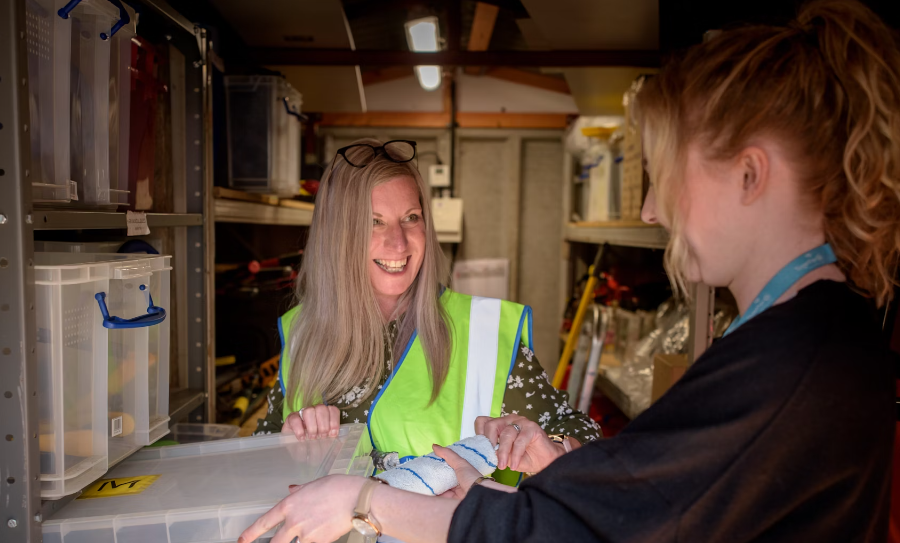
China fulfillment usually follows a five-step process from supplier delivery to final customer delivery.
You Send Inventory to a China Fulfillment Center
The process starts when your supplier, factory, or sourcing agent sends products to a fulfillment warehouse in China.
This is often simpler than exporting products overseas immediately because the inventory is still moving domestically within China. If your supplier is near a major manufacturing or logistics hub, a China warehouse can shorten inbound lead time and make supplier coordination easier.
Once the goods arrive, the fulfillment provider receives the inventory, checks quantities, identifies SKUs, and stores products in the warehouse. Sellers may also request inspection, relabeling, barcode application, carton checking, or packaging review before products are made available for sale.
If your business needs storage before fulfillment, SendFromChina’s China warehouse service covers storage, inventory management, and warehouse handling for ecommerce sellers.
Your Store or Marketplace Orders Are Synced
After inventory is stored, your ecommerce channels are connected to the fulfillment system.
Typical channels may include Shopify, Amazon, eBay, WooCommerce, Kickstarter, Indiegogo, or custom API connections. When a customer places an order, the order details are synced into the warehouse system automatically.
This reduces manual work. Instead of downloading spreadsheets, emailing warehouse staff, or copying addresses by hand, sellers can automate the flow from online checkout to warehouse fulfillment.
Order syncing is especially important for multi-channel sellers. A brand may sell through Shopify, Amazon FBM, and eBay at the same time. A good fulfillment system helps keep inventory, shipment status, and tracking updates consistent across channels.
For platform-connected workflows, SendFromChina’s ecommerce fulfillment service is designed to support online store order processing and global delivery.
The Warehouse Picks and Packs Each Order
Once an order enters the system, warehouse staff pick the correct SKU, verify the item, and pack it for international shipping.
Pick and pack accuracy is critical. Mistakes at this stage can lead to wrong items, damaged products, bad reviews, returns, and customer service issues. Professional fulfillment centers use SKU management, barcode scanning, packing standards, and quality checks to reduce errors.
This step is also where sellers can improve brand experience. Depending on the service setup, you may use branded boxes, thank-you cards, product inserts, custom labels, bubble wrap, corner protection, or bundled product kits.
If your products need bundling, assembly, inserts, or custom packaging, SendFromChina’s value-added services can support workflows beyond basic shipping.
The Order Is Shipped Internationally
After packing, the fulfillment provider selects a shipping method based on destination, product weight, delivery speed, tracking needs, and cost.
Shipping options vary by country and product type. A lightweight accessory shipping to the United States may use a different route from a board game shipping to Germany or a beauty product shipping to the UK.
A China fulfillment provider may work with postal services, dedicated line services, express carriers, last-mile delivery partners, and customs clearance channels. The goal is to balance cost, speed, reliability, and tracking visibility.
Tracking Is Uploaded and Customers Receive Their Orders
Once the parcel is shipped, the tracking number should be uploaded back to your ecommerce store or marketplace. Customers can then follow delivery progress, and sellers can monitor order status.
Tracking is important for customer trust. Cross-border delivery may include export processing, customs clearance, airline transfer, and last-mile delivery. Without tracking visibility, customers contact support more often and may lose confidence in the purchase.
Who Should Use China Fulfillment?
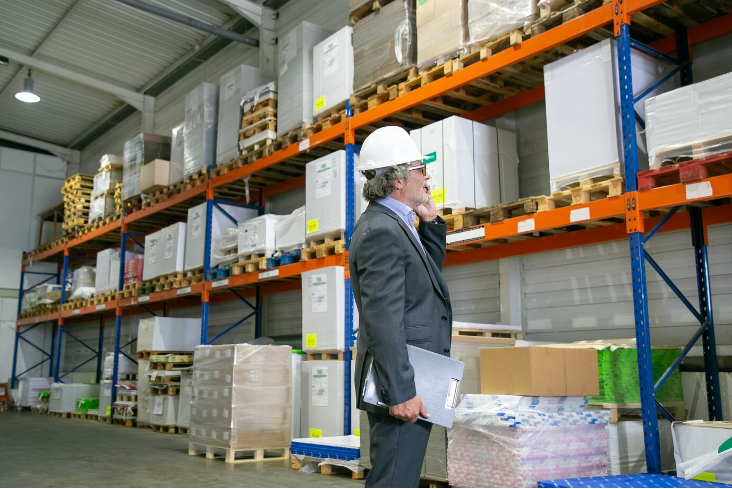
China fulfillment is not for every seller, but it can be a strong fit for several ecommerce models.
Ecommerce Sellers Sourcing from China
If most of your products are manufactured or purchased in China, fulfillment from China can reduce the distance between production and warehouse storage. Instead of sending goods from supplier to port, destination customs, local warehouse, and then final customer, you may be able to ship orders directly from a China warehouse to customers.
This is useful when you sell to multiple countries and do not want to split inventory across several overseas warehouses too early.
Shopify and DTC Brands
Shopify sellers often need flexibility. Demand can change quickly because of ads, influencer campaigns, seasonal promotions, or new product launches.
China fulfillment can help Shopify brands test products, hold inventory near suppliers, and ship globally from one hub. It can also support branded packaging and inserts, which are important for DTC customer experience.
Amazon FBM and Multi-Channel Sellers
Amazon FBA is useful, but it is not the only fulfillment model. Some sellers use Amazon FBM for specific SKUs, international orders, backup fulfillment, seasonal overflow, or products that need inspection before being sent to Amazon.
China fulfillment can also support hybrid operations. Sellers may send bestsellers to Amazon FBA while keeping other inventory in China for Shopify, eBay, wholesale, crowdfunding, or replacement orders.
Kickstarter and Crowdfunding Creators
Crowdfunding creators often manufacture rewards in China and ship to backers worldwide. This makes China fulfillment a natural fit.
A fulfillment center in China can receive bulk production, organize SKUs, handle kitting, pack rewards, and ship parcels to backers in multiple countries. This helps creators avoid importing everything into one country before sending rewards back out globally.
SendFromChina offers crowdfunding fulfillment for campaigns that need global shipping, custom packaging, and backer reward logistics.
China Fulfillment vs Dropshipping
China fulfillment and dropshipping are often confused, but they are not the same.
In a basic dropshipping model, the seller usually does not own inventory. When an order comes in, the supplier or dropshipping agent ships the product. This can be easy to start, but sellers often have less control over quality, packaging, stock availability, and shipping consistency.
In a China fulfillment model, the seller usually owns or controls inventory stored in a fulfillment warehouse. The provider manages storage, picking, packing, shipping, and tracking. This gives the seller more control over stock, order accuracy, packaging, and customer experience.
Dropshipping may help test a product, but fulfillment is often better for sellers who want to build a repeatable supply chain and a stronger brand. If you are comparing both models, read SendFromChina’s article on how China fulfillment makes dropshipping better.
China Fulfillment vs Local Fulfillment
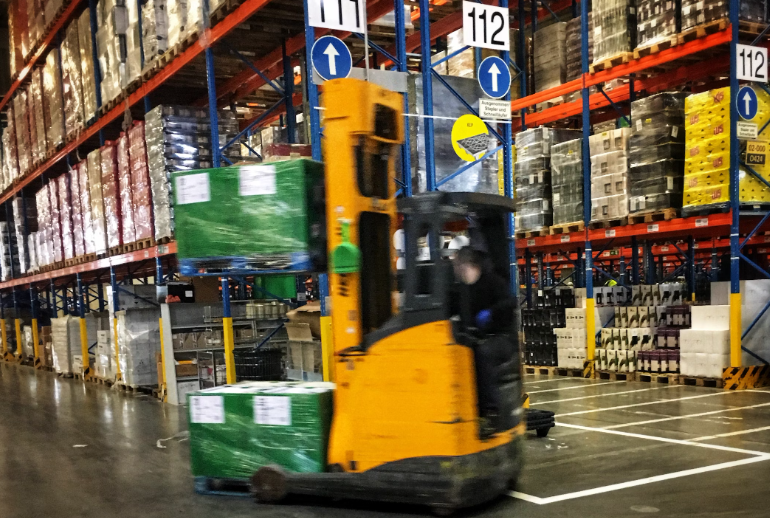
Local fulfillment means storing inventory in the same country or region as your customers. For example, a US fulfillment center ships to US customers, while a UK warehouse ships to UK customers.
Local fulfillment can provide faster domestic delivery, but it requires sellers to import inventory ahead of demand. If you sell globally, you may need multiple warehouses and more complex inventory planning.
China fulfillment keeps inventory closer to suppliers and can ship to many countries from one hub. This may improve inventory flexibility, especially for products manufactured in China.
Use China fulfillment when:
Your products are manufactured or sourced in China
You sell to several countries
You want to reduce bulk import risk
You need flexible inventory before demand is proven
You want one fulfillment hub for global orders
Use local fulfillment when:
Most customers are in one country
Very fast domestic delivery is required
Demand is stable and predictable
You can afford regional inventory placement
Your product has strict import or compliance needs
Many mature brands use both models. They keep fast-moving SKUs in local warehouses and use China fulfillment for new products, global orders, long-tail SKUs, replacements, or crowdfunding shipments.
How Much Does China Fulfillment Cost?
China fulfillment costs vary based on product size, weight, order volume, storage time, packaging needs, destination country, and shipping method.
Common cost components include:
Inbound receiving
Storage fees
Pick and pack fees
Packaging materials
Kitting or assembly fees
Labeling or inspection fees
International shipping fees
Customs duties or taxes, depending on shipping terms
Returns or replacement handling
Sellers should avoid comparing providers only by the lowest shipping quote. A very cheap route may have slower delivery, weaker tracking, higher loss risk, or poor customer experience.
Instead, compare total fulfillment cost against delivery speed, tracking quality, order accuracy, support, platform integration, and service reliability. SendFromChina offers a shipping cost calculator and custom quote options to help sellers estimate fulfillment and shipping costs.
What Products Are Suitable for China Fulfillment?
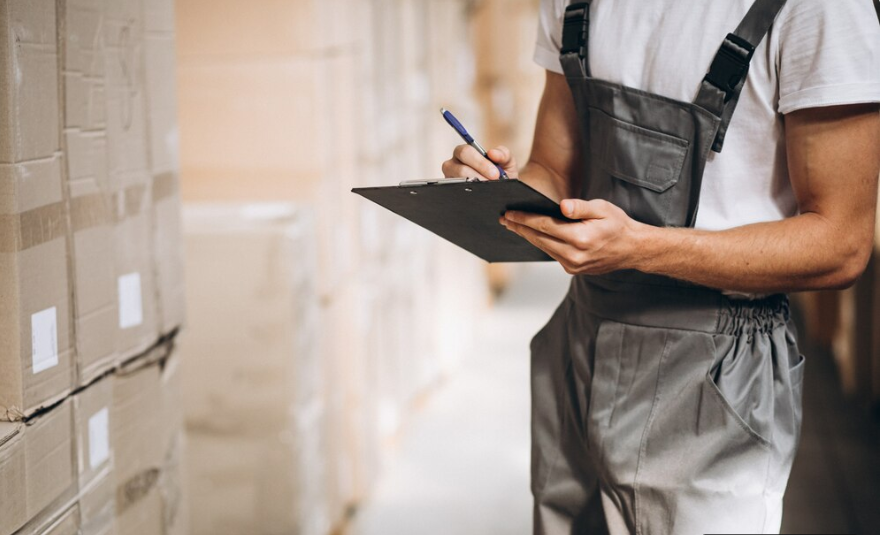
China fulfillment works best for products that are manufactured in China and can be shipped as parcels or small packages to customers.
Common product categories include:
Consumer electronics and accessories
Mobile accessories
Apparel and fashion accessories
Beauty tools and personal care products
Toys and games
Board games and crowdfunding rewards
Pet supplies
Home and kitchen products
Sports and outdoor accessories
Jewelry and watches
Some products require special handling. Batteries, liquids, powders, cosmetics, oversized goods, fragile items, and regulated products may need additional checks, packaging, or shipping channels.
Before choosing a fulfillment route, confirm product restrictions, destination-country rules, customs requirements, packaging standards, and carrier limitations.
What to Look for in a China Fulfillment Provider
Choosing a China fulfillment provider is a major operational decision. The right partner should do more than store boxes and buy shipping labels.
Look for these capabilities:
Reliable warehouse and SKU-level inventory control
Ecommerce platform integration for orders and tracking
Accurate pick and pack workflows
Multiple international shipping options
Customs and compliance knowledge
Value-added services such as kitting, labeling, and branded packaging
Clear communication and transparent pricing
Experience serving cross-border ecommerce sellers
Experience matters in cross-border logistics. SendFromChina has fulfillment and shipping services covering 220+ countries and regions, making it a practical option for sellers who source from China and ship globally.
Common Mistakes Ecommerce Sellers Make
The first mistake is choosing only by price. Low-cost shipping is useful, but unreliable delivery can damage reviews, chargebacks, and repeat purchase rates.
The second mistake is ignoring product restrictions. Some products need special shipping channels or documentation, especially batteries, liquids, cosmetics, and oversized items.
The third mistake is not planning packaging. International shipping requires packaging that protects the product across long-distance handling.
The fourth mistake is failing to sync inventory properly. If stock levels are not updated across platforms, sellers can oversell and disappoint customers.
The fifth mistake is waiting too long to involve the fulfillment provider. Ideally, talk to your fulfillment partner before mass production finishes so you can plan labeling, carton requirements, packaging, and shipping routes.
Is China Fulfillment Right for Your Ecommerce Business?
China fulfillment is a strong option if your products are sourced from China, your customers are spread across multiple countries, and you want a flexible way to store, process, and ship orders globally.
It is especially useful for Shopify sellers, Amazon FBM sellers, DTC brands, crowdfunding creators, and ecommerce businesses that want to reduce inventory risk while staying close to their supply base.
However, it is not a universal replacement for local fulfillment. If most of your customers are in one country and you promise very fast domestic delivery, a local warehouse may still be useful. Many brands use a hybrid approach: local warehouses for bestsellers and China fulfillment for new products, international orders, and long-tail inventory.
The best fulfillment strategy is not simply “China vs local.” It is about placing inventory where it gives your business the best balance of cost, speed, flexibility, and customer experience.
Final Thoughts
China fulfillment helps ecommerce sellers turn China-based sourcing into a global fulfillment advantage. By storing inventory close to suppliers, syncing orders automatically, using professional pick and pack workflows, and shipping directly to customers worldwide, sellers can build a more flexible cross-border operation.
For ecommerce brands in 2026, the question is not only “Where should we manufacture?” It is also “Where should we fulfill?”
If your products are made in China and your customers are global, a China fulfillment center may help reduce complexity, protect cash flow, and deliver a better customer experience.
FAQ
What is China fulfillment?
China fulfillment is a logistics model where products are stored in a China-based warehouse and shipped directly to customers worldwide after online orders are placed.
How does China fulfillment work?
Your supplier sends inventory to a China fulfillment center. The warehouse receives and stores products, syncs ecommerce orders, picks and packs each order, ships internationally, and uploads tracking information.
Is China fulfillment the same as dropshipping?
No. Dropshipping usually means the seller does not own inventory and relies on a supplier or agent to ship products. China fulfillment usually means the seller stores owned inventory in a warehouse and uses a fulfillment provider to manage order processing and shipping.
Who should use China fulfillment?
China fulfillment is suitable for sellers sourcing products from China, Shopify and DTC brands, Amazon FBM sellers, crowdfunding creators, and businesses selling to multiple international markets.
Can China fulfillment support branded packaging?
Yes. Many China fulfillment providers can support branded packaging, product inserts, kitting, labeling, and other value-added services. Availability depends on the provider and product requirements.
Can I use China fulfillment for Shopify orders?
Yes. Shopify sellers can use China fulfillment to store products in China, sync orders, ship directly to customers, and upload tracking information back to the store.
 Post Views:4958
 TAGS:
TAGS:
Copyright statement: The copyright of this article belongs to the original author. Please indicate the source for reprinting.
Previous Post
China Fulfillment Services Explained 2026: Warehousing, Pick and Pack, and Global Shipping
Next Post
TAGS
Hot Research
Get Custom eCommerce Fulfillment Service
Book a Meeting
Get a Custom China Fulfillment Solution with FREE Storage for 30 Days
Want to know about our services, fees or receive a custom quote?
 Want to know about our services, fees or receive a custom quote?
Please fill out the form on the right and we will get back to you within a business day.
The more information you provide, the better our initial response will be.