




Table of Contents
Get Custom eCommerce Fulfillment Service
Book a Meeting
Stockpile Inventory Explained: Definition, Benefits, and Best Practices
Time: Jan 27,2026 Author: SFC Source: www.sendfromchina.com
In an era defined by volatile consumer demand, supply chain disruptions, and geopolitical uncertainty, maintaining the right level of inventory is more than a routine decision — it’s a strategic imperative.

Among the many inventory strategies businesses use to stay resilient, stockpile inventory has emerged as a powerful risk-mitigation tool. But what exactly is stockpile inventory? How does it differ from traditional inventory? And why does it matter for companies that rely on global supply chains and third-party logistics partners like SendFromChina?
This guide will walk you through everything you need to know — from definition and key benefits to real-world applications, challenges, and best practices.
1. Stockpile Inventory Defined
At its core, stockpile inventory refers to a reserve supply of goods or materials held in excess of normal operating inventory with the purpose of safeguarding against uncertainty, unexpected demand surges, or supply interruptions. It is intentionally kept above and beyond regular sales and production needs to ensure business continuity under stress.
Think of it this way: if standard inventory is like the money you keep in your checking account to pay for everyday expenses, stockpile inventory is your emergency savings — there for unplanned demand spikes or disruptions.
Unlike safety stock — which is typically a small buffer calculated to guard against minor fluctuations in demand — stockpile inventory is usually larger, strategic, and planned for more significant contingencies.
2. Why Stockpile Inventory Matters
Inventory — in any form — represents an investment. According to logistics principles, inventory exists to bridge differences between supply and demand patterns, and each piece stored carries financial, operational, and strategic weight.
But stockpile inventory serves several critical purposes:
Risk Protection: It guards against supply chain shocks, such as production delays, transportation issues, or sudden shortages of raw materials.
Demand Surges: When demand unexpectedly spikes (e.g., due to holiday shopping, social media trends, or market shifts), stockpiles ensure customer needs are met without stockouts.
Production Continuity: For manufacturers or assembly operations, a stockpile of inputs prevents production halts when suppliers fail to deliver on schedule.
Strategic Advantage: Stockpiles can foster competitive differentiation by ensuring product availability when competitors run low.
Because of these roles, stockpile inventory is often central to business continuity planning (BCP) and supply chain resilience strategies. It’s not merely about holding more goods — it’s about holding the right goods in the right conditions for the right reasons.
3. Stockpile vs. Other Inventory Types
To clarify how stockpile inventory fits into a broader inventory ecosystem, here’s a brief comparison of key inventory categories:
| Inventory Type | Primary Purpose | Typical Use Case |
| Regular/Warehouse Inventory | Daily fulfillment and turnover | Normal demand fulfillment |
| Safety Stock | Small buffer against variability | Minor demand fluctuations |
| Stockpile Inventory | Strategic reserve for big disruptions | Demand spikes or supply delays |
| Buffer Stock | Mid-stage operational buffer | Between production or distribution stages |
Stockpile inventory differs from safety stock not just in scale, but in intent. Safety stock is baked into reorder formulas to prevent routine stockouts, while stockpile inventory is deliberate, planned, and often tied to forecasting and scenario analysis.
4. Who Uses Stockpile Inventory? Real-World Examples
Stockpile inventory isn’t just a theoretical concept — it’s used across industries that face high uncertainty or strategic exposure:
E-commerce and Retail
Brands that sell seasonal products, promotional items, or trend-sensitive goods often build stockpiles ahead of peak periods. For example, an outdoor gear brand may accumulate reserves before summer or winter seasons to avoid missed sales opportunities.
Manufacturing & Assembly
Manufacturers building complex products may stockpile raw materials or components to avoid line stoppages. A delay in a single part can stall entire production; hence, strategic reserves are often cheaper than downtime.
Government & Public Services
Stockpiles of medical supplies, emergency equipment, or essential goods are maintained for disaster response or public health needs. These stockpiles must meet regulatory standards and are managed with strict replenishment cycles.
Seasonal Businesses
Companies whose demand patterns swing wildly (e.g., holiday products, agricultural tools, air conditioners) tend to keep larger reserves to ensure sufficient availability when seasonal demand peaks.
5. Core Benefits of Stockpile Inventory

When managed well, stockpile inventory offers a mix of operational and strategic advantages:
Prevents Stockouts
Stockouts — situations where inventory is depleted and unable to meet demand — lead to lost sales, eroded customer trust, and reputational damage. Stockpile inventory reduces this risk by providing a safety cushion.
Increases Supply Chain Resilience
Supply chains are subject to shocks — from natural disasters to factory shutdowns. Stockpiles help companies absorb disruptions without halting operations.
Meets Unpredictable Demand
When social media trends or market shifts cause sudden surges, companies with reserves can respond quickly — capturing revenue that competitors might miss.
Protects Production Lines
Manufacturers often cannot afford even short interruptions. Stockpiles of inputs ensure smooth production, reducing downtime losses.
Supports Strategic Planning
Stockpiles reflect deliberate, forward-looking planning. They’re not reactionary; they’re part of broader risk management and customer service strategies.
6. Challenges of Managing Stockpile Inventory
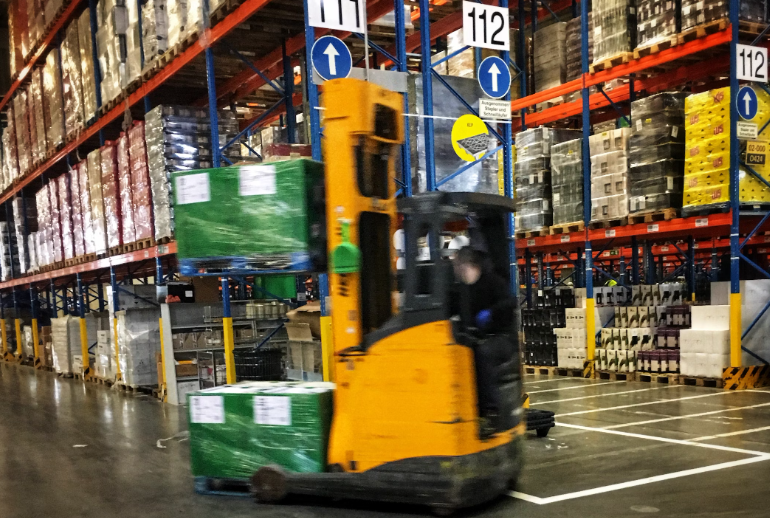
Stockpiles aren’t without cost or complexity. Holding more inventory than needed naturally ties up capital and space, so the strategy must be data-driven and aligned with business goals.
Carrying Costs
Inventory incurs storage fees, insurance, opportunity costs, and depreciation — especially for products with limited shelf life.
Obsolescence and Waste Risk
Certain stockpiled products may become obsolete or expire, especially in tech or perishable categories. Careful rotation and expiry-aware management are essential.
Forecasting Complexity
Predicting the right stockpile level requires demand forecasting — an area prone to uncertainty. Too much stockpile locks capital; too little exposes operations to risk.
Tracking and Visibility
When inventory spans multiple locations or partners, tracking stockpile accuracy becomes critical. Discrepancies between actual and recorded stock can erode the value of the reserve.
7. Best Practices for Effective Stockpile Inventory
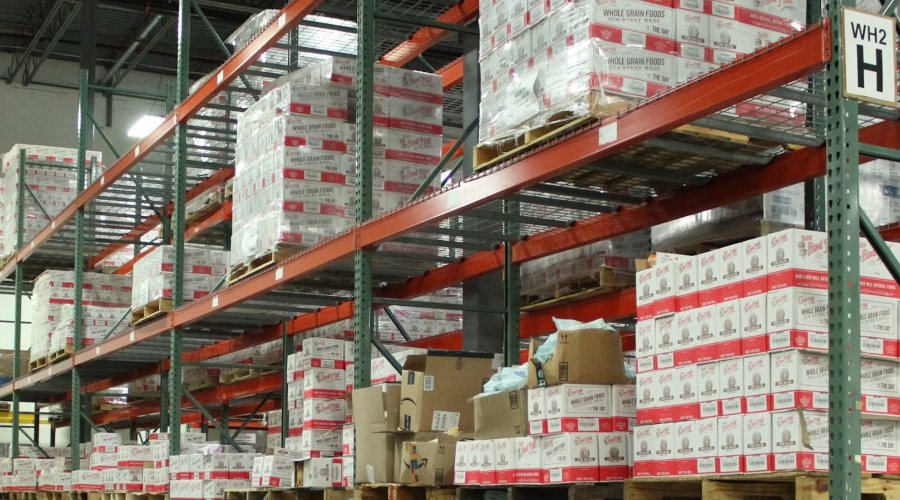
To ensure stockpile inventory adds value rather than drag, businesses should adhere to strategic management principles:
Define Clear Service-Level Targets
Set explicit service goals. Ask: What scenarios are we protecting against? What level of inventory covers those contingencies? Clear definitions help guide stockpile size.
Data-Driven Forecasting
Rely on historical demand data, seasonality patterns, and market indicators to forecast needs. Modern analytics can now simulate scenarios far beyond simple trend lines.
Use Advanced Inventory Systems
Automated systems that integrate real-time tracking and multi-location visibility help ensure stockpile accuracy and allocation control.
Strategic Distribution Across Locations
Instead of centralizing all stock in one warehouse, distribute reserves across strategic hubs to reduce delivery time and regional risk.
Integrate with Third-Party Logistics (3PL) Partners
Partnering with a 3PL provider like SendFromChina empowers businesses to leverage sophisticated warehousing networks, inventory tracking, and fulfillment infrastructure — making stockpile management more efficient, scalable, and globally optimized.
Build SOPs for Exceptions
Define processes for handling damaged goods, returns, and stock nearing expiration to protect the value of your stockpile.
Monitor KPIs and Review ROI
Key performance indicators — such as carrying cost per unit, stock turnover, fill rate, and inventory days of supply — should be tracked continuously. Periodic ROI audits help assess whether stockpile reserves deliver measurable value.
8. The Role of Third-Party Logistics (3PL)
Third-party logistics providers are not just storers of goods — they are strategic partners in inventory optimization. A 3PL like SendFromChina specializes in warehousing, transportation, real-time inventory visibility, and fulfillment workflows tailored to your business.
By outsourcing your stockpile management to a trusted 3PL partner, you can:
Achieve better geographic reach for your reserves
Reduce last-mile delivery costs
Get access to advanced warehouse management systems (WMS)
Leverage demand forecasting and analytics
Free up internal resources to focus on growth
This combination helps you maintain optimal stockpile levels without the overheads of owning and managing all logistics infrastructure yourself.
9. Common Mistakes to Avoid
Even seasoned supply chain professionals can slip up. Here are a few pitfalls to watch out for:
Overreliance on Gut Feeling
Inventory decisions grounded in instinct rather than data often lead to overstocking or shortage cycles.
Ignoring Multiple Demand Drivers
For stockpiles to be genuinely useful, forecasts must consider seasonal cycles, promotions, and external market shifts.
Neglecting Real-Time Tracking
Disparate or outdated systems can result in mismatches between stock records and reality — a risk that undermines stockpile value.
Failing to Account for Costs
Holding inventory without understanding carrying costs, insurance, or capital impacts can erode profitability.
10. Conclusion
In a world where supply chains are tested at every turn — from global disruptions to unpredictable demand — stockpile inventory has become more than an option. It’s a strategic safeguard. When thoughtfully planned and managed, it supports continuous operations, prevents costly stockouts, and empowers businesses to thrive in uncertainty.
For companies operating internationally or scaling rapidly, partnering with a third-party logistics expert like SendFromChina transforms stockpile inventory from a burden into a competitive advantage. By leveraging advanced systems, on-the-ground expertise, and global networks, you can ensure that your strategic inventory reserves are not just large — they’re smart.
11. Frequently Asked Questions (FAQs)
What’s the difference between stockpile inventory and safety stock?
Stockpile inventory is a larger, strategic reserve for significant disruptions, while safety stock is a smaller buffer against everyday variability.
Is stockpile inventory always expensive to maintain?
Not necessarily — the cost must be weighed against the risk of stockouts and lost sales; smart forecasting helps optimize levels.
Does stockpile inventory apply to perishable goods?
Yes, though it requires careful expiry tracking and rotation to avoid wastage.
Can small businesses benefit from stockpile inventory strategies?
Absolutely — especially those with fluctuating demand or supply chain dependencies. Smart use of data helps even small businesses plan reserves.
How can third-party logistics providers support stockpile management?
3PL providers offer warehousing, tracking, forecasting support, and strategic distribution — lowering operational burden and improving resilience.
 Post Views:3163
 TAGS:
TAGS:
Copyright statement: The copyright of this article belongs to the original author. Please indicate the source for reprinting.
Previous Post
DHL Express Holiday Schedule 2026: Full List of Dates & Delivery Impact
Next Post
TAGS
Hot Research
Recent News
Get Custom eCommerce Fulfillment Service
Book a Meeting
Get a Custom China Fulfillment Solution with FREE Storage for 30 Days
Want to know about our services, fees or receive a custom quote?
 Want to know about our services, fees or receive a custom quote?
Please fill out the form on the right and we will get back to you within a business day.
The more information you provide, the better our initial response will be.