Your parcel leaves the warehouse. The tracking page changes to "handed over to line-haul." Then, nothing. No new scan. No helpful map. Just a phrase that sounds important and explains almost nothing.
Usually, the parcel is entering the long-distance part of its journey. It may be consolidated with hundreds or thousands of other shipments and moved between major logistics points. Those points could be depots, airports, ports, rail terminals, warehouses, or regional sorting hubs.
That is line haul.
In plain English, line haul is the scheduled movement of freight or consolidated parcels between major network nodes. It normally sits after local collection and before final delivery. A line-haul leg can move by truck, rail, air, sea, or a mix of modes.
Line haul is easy to ignore because customers rarely see it. Yet a missed departure here can add days to delivery. Poor consolidation can raise cost. A bad label can send a pallet to the wrong hub. So, yes, this quiet middle section matters quite a lot.
What Is Line Haul in Shipping?
The
DHL definition of line haul describes it as long-distance transport between fixed points. DHL also notes that it may use land, air, rail, or water and often involves grouping freight with a common destination.
The fixed-point idea is important. A local delivery driver may stop at 80 homes. A line-haul truck usually runs from one terminal to another. An aircraft moves cargo from one airport gateway to the next. A container ship follows a port pair and schedule.
The load can range from ecommerce parcels and palletized cartons to full truckloads, aircraft ULDs, rail or sea containers, chilled food, medicine, and machinery. Line haul describes the role of the movement, not one vehicle type.
Why Line Haul Is Often Called the Middle Mile
Line haul often forms the main transport leg of the middle mile. The terms are closely related, but they are not always identical.
A line-haul leg is normally a scheduled movement between two nodes. Middle-mile logistics can include a wider set of work between origin pickup and final delivery, such as cross-docking, temporary staging, sorting, customs processing, or transfers through several hubs.
Think of a commute. A local bus takes you to the railway station. The intercity train covers the big distance. Another bus takes you to the final address. The train is the line-haul leg. The whole section between first pickup and final delivery can be described as the middle mile.
Line Haul Is Not the Same as Long Haul or a Dedicated Line
Long haul describes distance and, in trucking, may describe driver work across regions. Line haul emphasizes scheduled movement between network points, even when a lane is not exceptionally long.
A dedicated shipping line is different again. It is an end-to-end service built for a country, region, or product type. It may include first-mile pickup, consolidation, line haul, customs clearance, and last-mile delivery. In other words, the line-haul leg sits inside the service.
Our guide to
dedicated line shipping explains that broader route model. The terms sound similar. They are not interchangeable.
First Mile vs Line Haul vs Last Mile
A parcel journey is easier to understand when divided into three parts.
|
Stage
|
Typical start and end
|
Main work
|
Common equipment
|
Main pressure
|
Typical tracking event
|
|
First mile
|
Supplier, seller, or warehouse to origin depot
|
Pickup, acceptance, origin transfer
|
Van, small truck, local courier vehicle
|
Cutoff time and pickup reliability
|
Collected or accepted by carrier
|
|
Line haul
|
Origin hub to destination hub or gateway
|
Consolidation and long-distance transport
|
Trailer, train, aircraft ULD, vessel container
|
Capacity, schedule, utilization, and connections
|
Handed to line haul or departed hub
|
|
Last mile
|
Destination depot to customer
|
Local sort, delivery attempt, pickup point, or locker
|
Van, bike, local truck, parcel locker
|
Stop density, address quality, and recipient availability
|
Out for delivery or delivered
|
Imagine an order packed in Shenzhen for a customer in France. A local vehicle collects it from the fulfillment center. At an export hub, it is grouped with other European parcels. The consolidated load flies to a European gateway. After import processing, the parcel enters a French delivery network and reaches the customer.
The airport-to-airport movement is a clear line-haul leg. The route may also contain a road line haul from the European gateway to a regional sorting center.
Customs does not always sit neatly between line haul and last mile. Some data is filed before departure. Physical or documentary checks may occur at the destination gateway. Other route designs move cleared bulk freight into a domestic network before parcel injection.
For the broader picture, the SFC
shipping logistics guide explains how transport connects with warehousing, inventory, and delivery.
How the Line-Haul Shipping Process Works

Networks differ, but most line-haul movements follow the same basic rhythm.
1. Pickup and Origin Acceptance
The first-mile carrier collects parcels or freight and moves them to an origin depot. At acceptance, the carrier should capture a physical scan, weight, dimensions, service code, and destination data.
A label can exist while the parcel still sits in the warehouse. Measure the gap between label creation and the first physical scan.
2. Sorting and Consolidation at the Origin Hub
The hub groups shipments by destination, service level, restrictions, and departure. Parcels go into mailbags, cages, pallet boxes, or cartons, while freight may be palletized or loaded into trailers and containers. Consolidation shares capacity, but every parcel waits if the combined load misses departure.
3. Build and Identify the Transport Unit
The team creates a transport unit that can move and be tracked as one object. It might be a pallet, cage, trailer, container, or aircraft ULD.
Staff confirm weight, dimensions, destination, service level, and restrictions. They apply labels, reconcile the manifest, and add seals where required. Both parcel-level and transport-unit control matter.
4. Scheduled Departure
The unit is loaded onto a truck, train, aircraft, or vessel. The schedule may run overnight, daily, several times a week, or less often on thin lanes.
Missing cutoff may push freight to the next planned departure. Full capacity can cause the same rollover.
5. Destination Arrival and Breakdown
At the next node, the carrier unloads and records arrival. The transport unit is opened or broken down. Parcels and freight are sorted for customs, another line-haul connection, a regional hub, a warehouse, or final-mile induction.
Arrival does not end the clock. Freight can dwell while waiting for breakdown, clearance, or destination sorting.
6. Injection into the Next Network
The shipment is handed to another carrier, depot, postal operator, or distribution center. A new tracking number may be created for the final-mile network.
A good platform maps original and final-mile identifiers. A weak handoff makes the parcel appear to vanish at destination.
Road, Rail, Air, and Sea Line Haul
The right mode depends on distance, urgency, cargo, lane volume, available infrastructure, and cost.
Road Line Haul
Road networks use trailers, rigid trucks, or containers between depots and distribution centers. Parcel carriers often run fixed overnight schedules so freight arrives before the morning local sort.
Truckload freight may move directly. LTL can pass through several break-bulk or cross-dock terminals, adding coverage as well as handling risk.
Rail and Intermodal Line Haul
Rail suits larger volumes over long inland distances. Containers or trailers move by train, while trucks handle drayage at each end. Intermodal transport can reduce road miles and improve capacity efficiency.
Missed cutoffs, terminal congestion, and slow transfers can erase the planned saving.
Air Line Haul
Air supports express parcels, ecommerce dedicated lines, urgent replenishment, medical goods, and higher-value cargo. Freight may move in an aircraft container or on a pallet secured with a net.
IATA explains that an aircraft
Unit Load Device is an aircraft pallet-and-net combination or an aircraft container. ULDs are aircraft parts, so their condition, build-up, restraint, transfer, and handling affect flight safety.
Export handling, security, connections, customs, breakdown, and destination injection can take longer than the flight itself.
Sea Line Haul
Sea transport moves large quantities in containers between ports. Full container load and less-than-container-load services support inventory replenishment, bulky products, and less urgent freight.
Schedules may include transshipment, while congestion, sailing changes, customs, and inland drayage shape door-to-door time.
One shipment can use several line-haul legs. A container may travel by vessel to a port, rail to an inland terminal, then truck to a distribution center.
Materials, Equipment, and Data Used in Line Haul
Line haul is not just a vehicle moving on a map. The load has to survive stacking, vibration, compression, moisture, transfer, and repeated scanning.
Packaging and Load Units
Common materials include cartons, bags, cages, totes, pallets, stretch wrap, straps, corner boards, foam, dunnage, moisture barriers, insulated packaging, data loggers, containers, ULDs, and seals.
The best packaging is not simply the strongest. It protects the product without wasting cube or creating excessive dimensional weight. A carton full of empty air is still taking paid space.
Labels, Identifiers, and Manifests
Parcel labels identify shipments. Pallets and other logistics units may need separate identifiers for loading, transfer, and receipt.
The official
GS1 Scan4Transport guideline covers transport-unit identification, SSCCs, transport data, and labels designed to improve information exchange between logistics parties. Exact implementation depends on the network, but the principle is broadly useful: the physical unit and its digital record must match.
A manifest should agree with what is actually loaded. Duplicate labels, unreadable barcodes, wrong service codes, and missing units create misroutes and manual work.
Where Different Industries Use Line Haul
Ecommerce and Postal Parcels
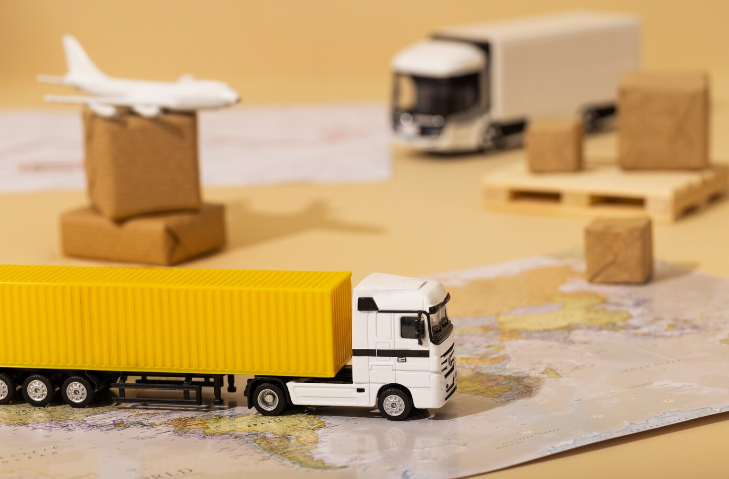
Thousands of small orders may be combined into bags, cages, pallets, or ULDs. They share the international or intercity leg, then separate for last-mile delivery. This structure sits behind many postal, economy, standard, and dedicated ecommerce services.
Retail and Marketplace Replenishment
Retailers move cartons or pallets between distribution centers, stores, and marketplace facilities. Predictable line haul keeps local networks stocked.
Manufacturing and Automotive
Factories use scheduled lanes for parts and finished goods. In just-in-time operations, one missed departure can stop production.
Cold Chain, Food, and Pharmaceuticals
Temperature-sensitive freight needs controlled packaging or equipment, monitoring, sanitation, and chain of custody. Unplanned hub dwell can damage an otherwise successful load.
Crowdfunding and Product Launches
Campaigns create large dispatch waves. Capacity, destination sorting, and customs data must be ready before the hub. One rollover can affect thousands of backers.
What Determines a Line-Haul Rate?
A line-haul rate usually covers the main transport movement. The final invoice may also include fuel, handling, storage, detention, security, customs-related work, or other accessorial charges.
Key price factors include:
- distance and transport mode;
- origin and destination pair;
- lane balance and available backhaul;
- gross weight, volume, and chargeable weight;
- pallet, trailer, container, or ULD space;
- departure frequency and required speed;
- seasonal capacity;
- fuel, tolls, labour, and terminal costs;
- transfer and sorting requirements;
- dangerous, fragile, oversized, or temperature-controlled goods;
- committed volume and contract terms.
A balanced lane may cost less per unit. Thin lanes can carry a premium. Consolidation saves money only while the wait still fits the delivery promise.
|
Cost driver
|
Why it changes price
|
Data needed for a quote
|
Practical seller action
|
|
Weight and cube
|
Transport capacity is limited by mass and space
|
Packed weight and dimensions
|
Reduce empty space without weakening protection
|
|
Lane and mode
|
Capacity, distance, and network balance vary
|
Origin, destination, route, deadline
|
Compare eligible modes on the same service scope
|
|
Schedule
|
Faster or more frequent departures use scarcer capacity
|
Cutoff and required arrival
|
Align warehouse processing with economical departures
|
|
Handling
|
More hubs and transfers add labour and risk
|
Node count and transfer plan
|
Prefer fewer touches where volume supports direct injection
|
|
Product
|
Special goods need controls or equipment
|
Material, battery, temperature, dimensions
|
Classify products before requesting rates
|
|
Accessorials
|
Extra events sit outside the base movement
|
Full tariff and surcharge rules
|
Compare total invoices, not headline line-haul rates
|
For ecommerce parcels, the line-haul cost may be bundled into a door-to-door rate rather than shown separately. SFC's
international ecommerce shipping services combine route components into customer delivery options.
What Common Line-Haul Tracking Statuses Mean
Carrier wording is not standardized. The same phrase can describe slightly different operations. Treat a status as evidence, not a complete story.
Handed Over to Line-Haul
This usually means the parcel or transport unit entered the operation responsible for the long-distance leg. It does not prove departure; loading, cutoff, security, or capacity may still be pending.
Arrived at Linehaul Office
This usually indicates arrival at a hub, depot, gateway, or transfer facility. "Office" may be a translated term for a sorting center. Customs may still be pending, along with breakdown, sorting, a connection, or last-mile handoff.
Accepted by or Departed Line Haul
"Accepted" can mean physical receipt or data acceptance. "Departed" is stronger evidence that the shipment left a node, but it may still refer to the consolidated transport unit rather than an individual parcel scan.
Ask whether each event comes from a physical scan, manifest, or estimate.
Why Tracking Can Stay Quiet
Parcels inside a sealed transport unit are not scanned individually. Late partner uploads, customs, missing scans, and new tracking numbers create more gaps.
No update does not automatically mean lost. It means visibility is limited. Whether that is normal depends on the service promise and scheduled next event.
|
Tracking status
|
Likely meaning
|
Expected next milestone
|
When to investigate
|
|
Label created
|
Shipment data exists
|
Physical carrier acceptance
|
Acceptance misses the warehouse handoff SLA
|
|
Handed over to line-haul
|
Transferred to the main transport operation
|
Loaded, departed, or export event
|
Planned departure passes without movement
|
|
Arrived at linehaul office
|
Reached a hub, depot, or gateway
|
Sort, clearance, connection, or induction
|
Hub dwell exceeds the service's normal lane pattern
|
|
Departed line-haul facility
|
Left a network point
|
Arrival at next hub or destination
|
Next event misses the route schedule or delivery promise
|
|
Customs or import processing
|
Shipment is under data or physical border processing
|
Released or information requested
|
Documents are requested or dwell becomes abnormal for that lane
|
|
Received by local carrier
|
Entered destination delivery network
|
Regional sort or out for delivery
|
No local scan appears within the carrier handoff SLA
|
There is no responsible universal rule such as "wait seven days." An express flight, ocean container, and economy postal bag operate on very different clocks. Compare the last physical event with the booked schedule and promised delivery range.
Common Line-Haul Problems and Their Causes
Missed Cutoff or Capacity Rollover
Late handoff, full equipment, reduced capacity, or missed data deadlines can push the load to the next service.
Hub Congestion and Excessive Dwell
Peak volume, labour shortages, equipment failure, weather, security, customs, or poor appointments can leave freight waiting.
Misrouting and Manifest Mismatch
Unreadable barcodes, wrong codes, duplicate labels, damaged tags, or manifest errors can trigger manual handling or misrouting.
Damage During Consolidation and Transfer
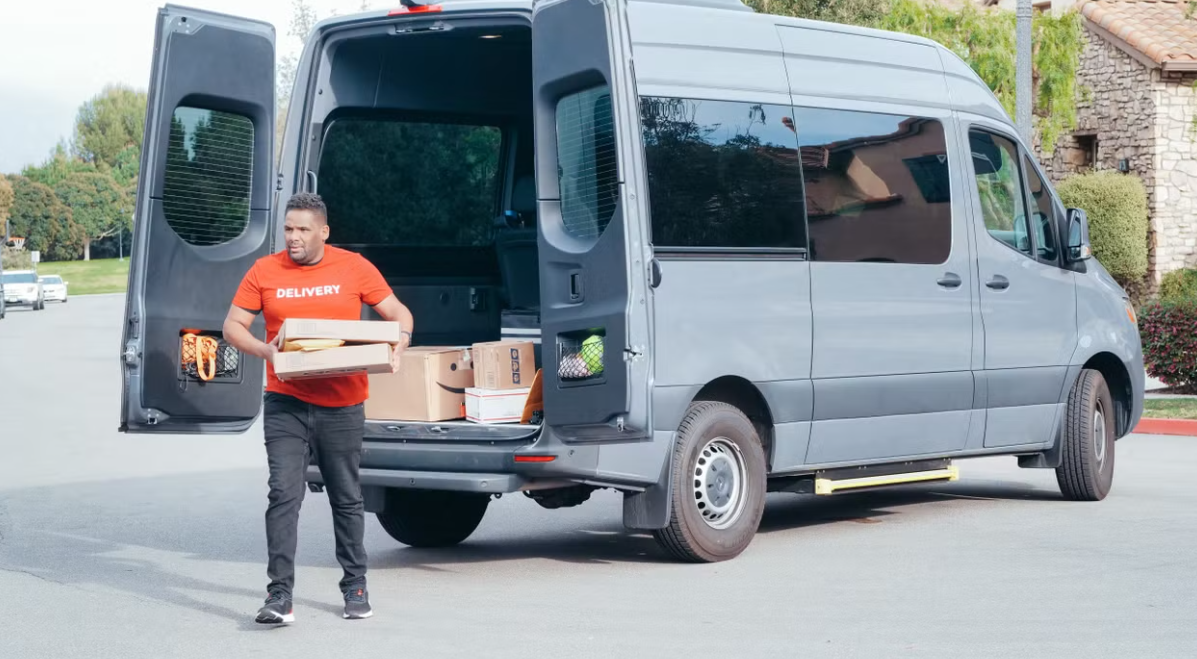
Weak cartons, pallet overhang, poor restraint, empty space, incompatible goods, or repeated transfer can damage products. The line-haul vehicle may arrive on time with freight that is no longer saleable. Not exactly a win.
Weak Destination Handoff
The main leg ends, but the last-mile carrier does not receive complete data. Tracking numbers are not mapped. Postcodes fall outside coverage. Parcels then wait at the destination gateway.
How Ecommerce Sellers Can Improve Line-Haul Performance
Match Warehouse Cutoff to the Real Departure
Work backwards from loading and departure. Include picking, packing, manifest close, security, transfer to the hub, and carrier acceptance. Printing a label before cutoff is not enough.
Improve Utilization Without Damaging Products
Use suitable cartons, pallet patterns, and consolidation windows. Do not chase perfect cube utilization by crushing products. Damage is an expensive form of efficiency.
Reduce Touches and Unnecessary Hubs
Direct injection and zone skipping can bypass hubs when volume supports them. Thin lanes may still need a multi-hub network, so remove only nodes that add no useful coverage or consolidation benefit.
Clean Shipment Data Before Handoff
Validate address, postcode, product description, weight, dimensions, service code, tracking ID, customs data, and dangerous-goods information. Make sure parcel labels and transport-unit records agree.
Keep a Backup Route
Important lanes need an alternative departure, gateway, carrier, or mode for peak volume, weather, strikes, capacity cuts, or outages.
Measure Line Haul Separately
End-to-end time can hide the bottleneck. Track:
- origin hub dwell;
- on-time loading and departure;
- line-haul transport time;
- on-time arrival;
- destination breakdown and dwell;
- rollover rate;
- scan compliance;
- damage and loss;
- cost per parcel, kilogram, pallet, or cubic metre;
- weight and cube utilization;
- median and P90 performance.
P90 matters because averages hide the slow tail. Two lanes may average five days. One delivers nearly every parcel in four to six days. The other mixes two-day successes with twelve-day failures. Customers will notice the difference.
Standards and Compliance in Line-Haul Operations
There is no single global line-haul standard. Rules depend on mode, country, equipment, product, and carrier.
Still, several control areas appear across networks:
- transport-unit identification and scannable labels;
- manifests and advance electronic data;
- verified weight and dimensions;
- load restraint, stacking, and equipment limits;
- dangerous-goods classification, packaging, labels, and documents;
- cargo security and chain of custody;
- temperature control for cold-chain goods;
- customs and product data for international movements;
- driver, vehicle, rail, maritime, or aviation rules for the chosen mode.
GS1 standards can support unit identification and data exchange. IATA requirements apply to ULD safety and air cargo operations. Carriers also publish packaging, prohibited-item, dimension, and service rules.
Do not assume that acceptance by one partner guarantees acceptance by the next. A battery shipment may be valid for road transport but rejected for the planned air leg. Compliance must cover the full route.
How to Evaluate a Line-Haul Carrier or 3PL
Ask questions that reveal the real network:
- Which hubs, gateways, and partners physically handle the freight?
- How many departures run each week?
- What are the acceptance, manifest, loading, and departure cutoffs?
- What percentage of freight rolls to the next departure?
- Which events are physical scans and which are data milestones?
- How are destination-carrier tracking numbers mapped?
- What peak-season capacity is committed?
- How are damage, loss, claims, and delays investigated?
- Which fees sit outside the base line-haul rate?
- What backup route exists when the main lane fails?
A useful provider can answer without hiding behind "in transit." If the answer to every question is "normally no problem," you still do not have an operating plan.
Conclusion: Line Haul Is the Quiet Backbone of Delivery
Line haul is the scheduled movement between major logistics nodes. It carries consolidated parcels, pallets, trailers, ULDs, and containers across the main distance in a delivery network.
It is different from first-mile collection and last-mile delivery. It is also different from a dedicated shipping line, even though a dedicated service contains a line-haul leg.
Customers may never see the truck, aircraft, train, vessel, or hub. They feel every missed cutoff, rollover, tracking gap, and bad handoff, though.
To improve performance, map the nodes first. Confirm the actual schedules. Identify the transport units and scans. Measure origin dwell, departure, transport, destination dwell, and handoff separately. Then work on the slow tail, not just the average.
That is the practical way to make line haul less mysterious and delivery more predictable.
Frequently Asked Questions
1. What does line haul mean in shipping?
Line haul is the scheduled movement of freight or consolidated parcels between major logistics points, such as depots, hubs, ports, airports, warehouses, or distribution centers. It normally covers the main distance between local collection and final delivery.
2. Is line haul the same as middle-mile delivery?
The terms overlap, but they are not always identical. Line haul usually means one scheduled movement between fixed nodes. Middle-mile logistics can include line haul plus sorting, staging, cross-docking, customs, and transfers before last-mile delivery.
3. What is the difference between line haul and last-mile delivery?
Line haul moves consolidated freight between major network points. Last mile moves individual parcels or smaller loads from a destination depot to the final customer, pickup point, or locker. Their vehicles, costs, schedules, and operating problems are different.
4. What does "handed over to line-haul" mean in tracking?
It usually means the parcel or its transport unit has been transferred to the operation responsible for the main long-distance leg. It may be waiting for loading or a scheduled departure, so the status does not prove that a vehicle has already left.
5. What does "arrived at linehaul office" mean?
It normally means the shipment reached a hub, gateway, depot, or transfer facility. "Office" may be a translated carrier term. The parcel could be waiting for sorting, customs, a connection, or last-mile handoff. It does not automatically mean clearance is complete.
6. How long does line-haul transportation take?
There is no universal duration. An overnight truck lane, intercontinental flight, rail journey, and ocean sailing use different schedules. Include origin dwell, missed connections, destination breakdown, customs, and handoff time rather than measuring only vehicle movement.
7. Why has my package had no tracking update during line haul?
Individual parcels are often not scanned while sealed inside a bag, pallet, trailer, container, or ULD. Updates can also be delayed by customs, carrier data exchange, time zones, missing scans, or a new last-mile number. Compare the gap with the service's scheduled next event.
8. Can line haul use air, rail, sea, and trucks?
Yes. Line haul describes the role of the transport leg, not a single mode. Road, rail, air, and sea can all move freight between major nodes. One shipment may use several line-haul legs in an intermodal journey.
9. How are line-haul shipping costs calculated?
Cost depends on distance, mode, lane balance, weight, volume, chargeable weight, equipment, schedule, capacity, fuel, tolls, labour, handling, season, and product restrictions. The base line-haul rate may exclude accessorials, so compare the full invoice scope.
10. How can ecommerce sellers reduce line-haul delays?
Align warehouse cutoff with actual departure, improve labels and shipment data, reduce unnecessary handling, optimize packaging and consolidation, reserve peak capacity, keep a backup route, and measure origin dwell, rollover, on-time departure, destination dwell, and P90 performance.





 Post Views:1045
 TAGS:
TAGS:
 Want to know about our services, fees or receive a custom quote?