When you import goods from China to the United States, one of the key decisions you’ll face early on is: how to ship. It’s not one-size-fits-all. The “best” method depends on your priorities — cost, speed, volume, and final destination — plus your comfort with customs logistics, paperwork, and risk.
At SendFromChina, we believe in transparency: you should know what you’re getting into before committing. This guide walks you through the main shipping methods from China to the USA — how long they take, what they typically cost, and when each makes the most sense.
1. Why Shipping Method Matters
Shipping a small parcel is a different ballgame than moving a full container of wholesale inventory.
Costs,
time, and complexity all grow (or shrink) depending on volume, value, and urgency. Choosing the wrong method can lead to inflated costs,
delivery delays, or unhappy customers. For businesses relying on tight schedules (say, seasonal product launches or Amazon restocks), timing is everything. For large-batch importers, cost per unit becomes critical.
Understanding the tradeoffs — speed vs cost vs reliability — is essential. Below, you’ll find detailed breakdowns of the primary options: sea freight (FCL & LCL), air freight, and express courier. We also discuss hybrid/
door-to-door solutions that many modern importers use to optimize speed and cost.
2. Main Shipping Methods from China to the USA
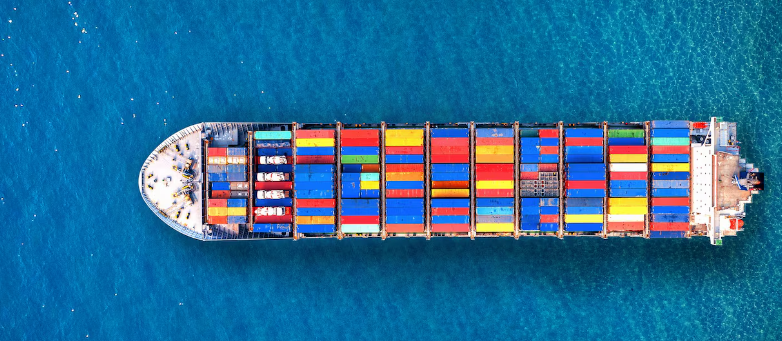
Sea Freight (Ocean Freight)
What it is: Goods transported in shipping containers on cargo vessels. There are two sub-methods:
FCL (Full Container Load): You rent an entire container (e.g. 20 ft or 40 ft), whether full or nearly full.
LCL (Less than Container Load): Your goods share container space with other importers' cargo — ideal if you don’t have enough volume to fill a container.
Transit time & cost (2024–2025):
Typical port-to-port transit: around 25–40 days depending on departure port, U.S. destination, and shipping schedule.
For FCL: costs for a 20 ft container tend to fall in the ballpark of a few thousand USD per container.
For LCL: cost is often calculated per cubic meter (CBM). Some sources cite typical LCL rates around US$80–150 per CBM (or similar range) depending on cargo volume and packing.
Best for:
Large, bulky, or heavy shipments that don’t require rapid delivery.
Inventory restocks far ahead of demand.
Products that are cost-sensitive (low-margin, high-volume goods), such as furniture, bulk commodities, or non-perishable items.
Pros:
Lowest cost per unit/CBM if volume is large enough.
More predictable for large inventory planning.
Cons:
Long transit times (weeks rather than days).
Higher risk of delays from port congestion or customs hold-ups.
More complex logistics (container loading, port handling, inland trucking, customs documents).
When FCL vs LCL:
If you regularly import sufficient volume to fill a container (e.g., dozens or hundreds of units which together fill 20 ft / 40 ft), FCL tends to give the best cost per unit and greater security (your own container, fewer transfers).
If your volume is small or irregular, LCL is more practical — you share container space and only pay for what you use.
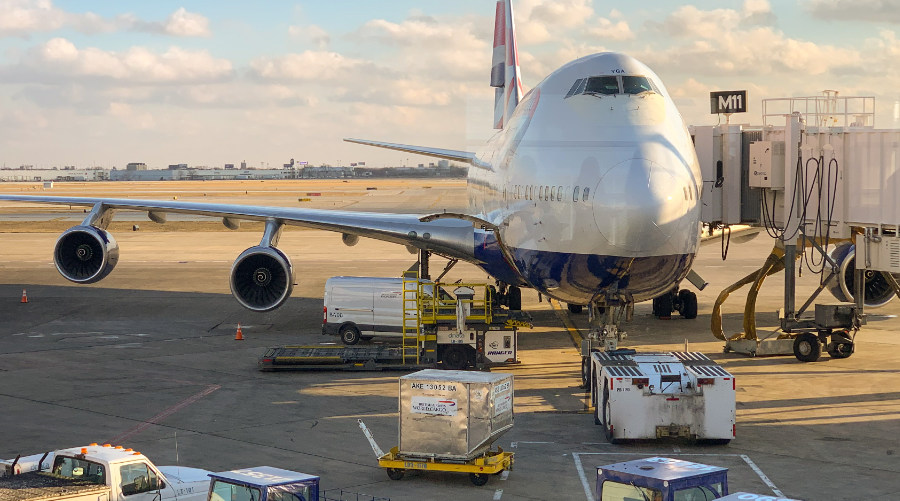
Air Freight (Air Cargo)
What it is: Goods transported by airplane from a Chinese airport to a U.S. airport (e.g. Los Angeles, New York), then typically onward via truck or courier to the final destination. This is often used for pallets rather than small parcels.
Transit time & cost (2024–2025):
Many air-freight shipments arrive in about 3–10 days door-to-door, depending on handling, customs, and final delivery.
For mid-size shipments (e.g. 150–500 kg), typical rates range roughly US$5–8 per kg.
Compared to sea freight, you pay significantly more per kg — but you get a drastically shorter lead time.
Best for:
Medium-sized cargo (e.g. a few hundred kilos) that’s time-sensitive.
High-value goods (electronics, fashion, seasonal items).
Businesses that need faster replenishment cycles but still ship more than just small parcels.
Pros:
Quick transit — reduces inventory lead time.
Good balance between speed and cost when volume is moderate.
Less handling and fewer transfers than ocean freight (less risk of damage).
Cons:
More expensive per kg than sea freight.
Rates can fluctuate widely depending on demand, seasonality, and airport congestion.
Limited by aircraft cargo space and weight; very large, heavy shipments may be cost-prohibitive.
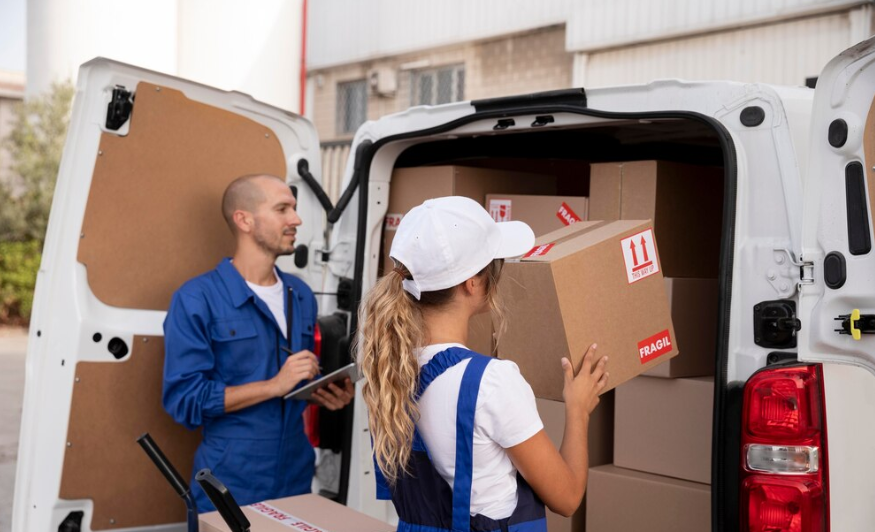
Express Courier (International Parcel / “Express Shipping”)
What it is: Parcel-level shipping through global courier companies (e.g. DHL, FedEx, UPS, or others) — door-to-door service including pickup, customs handling, and final-mile delivery to the receiver’s address.
Transit time & cost (2024–2025):
Transit time is typically 3–7 days from China to the U.S., depending on courier, origin city, and destination.
Cost per kg tends to be higher, often in the range of US$6–12 per kg (or more, depending on package size, weight, and urgency).
Because parcels are usually lighter and smaller, express courier is ideal for small-volume goods, samples, dropshipping, or e-commerce orders.
Best for:
Small parcels, samples, prototypes.
E-commerce orders going directly to consumers (B2C).
Urgent shipments where delivery speed and reliability matter more than cost per kilo.
Pros:
Fastest option for door-to-door delivery.
Minimal hassle: pick-up, customs, and delivery all handled by courier.
Good tracking and reliability for small parcels.
Cons:
Expensive on per-kg basis (especially for heavy shipments).
Not economical for large volumes.
Potential surcharges (fuel, duties, remote-area delivery) may add up.
3. Hybrid & Door-to-Door Shipping Solutions
As global trade has matured, many logistics providers (including forwarders like
SendFromChina) offer
hybrid or multimodal shipping — combining sea, air, and ground transport to optimize cost and speed. For example:
Ship by
sea to a U.S. port, then transfer to
air or truck for final delivery.
Use
“DDP” (Delivered Duty Paid) service: the forwarder handles everything — freight, customs clearance, taxes/duties, and final delivery to warehouse, retail location, or doorstep. This simplifies the importer’s workload, especially if you don’t have a U.S. customs license or local infrastructure.
Some “express ocean” or “sea-air” services, which aim to deliver faster than regular sea freight but cheaper than pure air freight (though availability is more limited and cost & timing more variable).
These hybrid options are often appealing to importers who want a compromise — faster than pure sea freight, but cheaper than full air freight, and less hassle than managing multiple legs on their own.
4. What Determines Cost & Delivery Time — Key Variables
Not all shipments are created equal. Several factors significantly influence cost and time:
Origin port / city in China — e.g., major hubs like Shanghai, Shenzhen, Guangzhou tend to offer faster flight or sailing schedules.
Destination in the U.S. — West Coast ports/airports (e.g., Los Angeles) generally shorten transit time compared to East Coast or inland destinations.
Volume and weight of shipment — Large, heavy, or bulky shipments benefit more from sea freight economies of scale; small or urgent parcels justify premium courier or air freight rates.
Seasonality and demand —
Peak demand periods (e.g., near U.S. holidays, Chinese New Year, peak retail seasons) often cause surcharges, limited cargo space, and delays.
Customs clearance, documentation, duties/taxes — Poor documentation or customs complexities (e.g., for regulated goods) can cause delays and extra fees. Forwarders can help mitigate this but only if properly instructed.
Final delivery (last mile within the U.S.) — Air freight or courier often still require inland transport from port or airport to final destination. That adds 1–4 days typically.
5. How to Choose the Right Method — Based on Your Needs
Here’s a rough decision guide, depending on typical business scenarios:
| Scenario / Need |
Recommended Shipping Method |
| Bulk inventory, non-urgent (e.g. stock for restocking in 2–3 months) |
Sea Freight (FCL or LCL) |
| Moderate volume, relatively time-sensitive (e.g. seasonal items, store restocks) |
Air Freight (standard air cargo) |
| Small parcels, e-commerce orders, dropshipping, samples, prototypes |
Express Courier (DHL / FedEx / UPS) |
| Mixed needs (bulk + urgent orders), or limited U.S. customs capacity |
Hybrid / DDP Door-to-Door services |
| First-time importer, want minimal paperwork hassle |
Forwarder-managed DDP or hybrid solution |
As a China-based forwarder, SendFromChina often recommends combining methods depending on urgency, volume, and destination. For example — larger bulk stock by sea, urgent restock or sample orders by air or courier; or mixing sea + air via hybrid for balanced cost and lead time.
6. Common Misconceptions and Risks
“Sea freight is always cheapest”
Often true for large volume, but not always — especially for small volumes. If you only have a few cubic meters (or less), per-unit cost via LCL can be surprisingly high when factoring in port fees, consolidation, handling, inland trucking, and customs. In some cases, air freight or courier might make more sense for small volume.
Also, delays — port congestion, weather, berthing schedules — can rob you of time, making sea freight less “cheap” in opportunity cost terms.
“Air freight equals speed + reliability”
It is faster — but not infinitely so. Air freight still involves airport handling, customs clearance, and final distribution inside the U.S., which can add days beyond flight time. Plus, during peak seasons air-cargo space can be limited; prices fluctuate accordingly.
“Courier means cheap if package is light”
Courier is convenient, but costs can escalate quickly — especially for bulky packages measured by volumetric weight rather than actual weight. Also, courier pricing often includes fuel surcharges, customs brokerage, and last mile delivery, which can add up.
“I don’t need a forwarder — I’ll just DIY it”
If you or your U.S. partner don’t have experience with customs forms, documentation (commercial invoice, packing list, bill of lading / air waybill), import duty/tax calculation, and local regulations — you risk delays, fines, or refused cargo. Forwarders help manage these complexities, especially for first-time importers or newcomers to U.S. import regulations.
7. Why Working with a China-Based Forwarder (Like SendFromChina) Matters — What You Should Ask Before Shipping
Because of the complexity and variability, many businesses choose to work with a China-based freight forwarder. Here’s why that can make a big difference — and what you should look for:
Transparent cost breakdowns — not just freight, but customs fees, duties/taxes, port charges, inland delivery, surcharges. Hidden costs are common, especially with sea freight.
Flexible method mixing — ability to combine sea, air, courier, or hybrid depending on needs; adjust per order instead of being locked into one method.
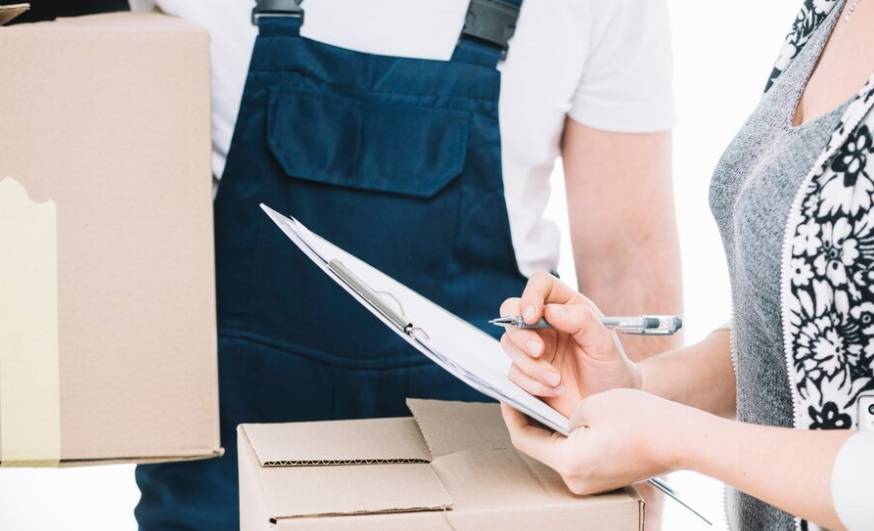
Documentation & compliance support — forwarders often handle import forms, customs filings, arrival notices, ISF (if required), and clearance to avoid delays.
Door-to-door (DDP) service — especially useful for small businesses or e-commerce sellers without a U.S. presence. They don’t need to worry about customs clearance or final-mile logistics.
Risk mitigation — experienced forwarders know how to avoid common pitfalls: over-weight or over-volume vs volumetric weight, oversize packages, customs classification errors, port congestion, delays, etc.
Before you choose a forwarder (or shipping method), make sure to ask:
What’s the all-in cost including freight, handling, customs & duties, port/airport fees, surcharges, and delivery to final destination?
What’s the realistic transit time door-to-door (not just port-to-port)?
How does the forwarder handle documentation and customs clearance?
Can they provide tracking and transparency at each step (pickup, port/airport export, transit, U.S. arrival, final delivery)?
What happens if there’s a delay, demurrage, or customs hold — who pays?
8. What’s New in 2026: Current Trends Importers Should Watch
Recent data shows that typical air freight rates remain around US$5–8 per kg for standard cargo shipments of moderate size.
Sea freight rates continue to fluctuate depending on container availability, fuel, seasonality, and global demand — making early bookings important for large importers.
Hybrid and DDP shipping have become more popular among e-commerce and small-to-mid-size businesses who need simplified logistics without managing customs and last mile delivery themselves.
For many importers, especially newcomers, the hidden costs in sea freight (port/handling, documentation, inland trucking, customs duties) often make air freight or courier more attractive, even if unit freight cost is higher.
Thus, 2026 isn’t just more of the same — it’s a landscape of greater complexity and opportunity. Importers who move fast, plan ahead, and partner with knowledgeable forwarders will likely thrive.
9. Conclusion
There’s no universal “best” method to ship from China to the USA. What’s best depends on your volume, the urgency of delivery, cost constraints, and your tolerance for logistics complexity. Sea freight remains the go-to for large, cost-sensitive shipments. Air freight offers a middle ground for speed and cost. Express courier excels for small parcels and e-commerce orders.
For many businesses — especially those who don’t have a U.S. presence or customs experience — working with a forwarder like SendFromChina offers invaluable benefits: cost visibility, flexibility, documentation support, and door-to-door delivery. The key is to match your shipping strategy to your business needs — and not just assume the cheapest headline rate is truly “cheap.”
10. FAQs
Q1: How long does express courier shipping from China to USA usually take?
A1: Typically 3–7 days from pick-up in China to delivery in the U.S. door-to-door (depending on courier, origin, and destination).
Q2: What is the typical cost per kilogram for air freight from China to the U.S.?
A2: For standard air-freight shipments, many importers pay around US$5–8 per kg, though rates vary depending on cargo volume, route, and season.
Q3: When should I use sea freight instead of air freight or courier?
A3: Use sea freight when you have large or heavy shipments, plenty of lead-time, and want to minimize per-unit cost — ideal for bulk orders, non-urgent inventory, or low-value products.
Q4: What does LCL mean, and when is it useful?
A4: LCL stands for “Less-than-Container Load.” It means you share container space with other importers. It’s useful when you don’t have enough volume to fill a full container, but still want to ship by sea without paying for a whole container.
Q5: What does DDP shipping cover and why do businesses use it?
A5: DDP (Delivered Duty Paid) means the forwarder handles freight, customs clearance, duties/taxes, and final delivery to destination. Businesses — especially those without U.S. presence or customs license — use it to simplify logistics and avoid complex paperwork or compliance issues.







 Post Views:11161
 TAGS:
TAGS:
 Want to know about our services, fees or receive a custom quote?