




Table of Contents
Get Custom eCommerce Fulfillment Service
Book a Meeting
EMS vs. DHL: A Complete Guide for Ecommerce Shipping in 2026
Time: Mar 09,2026 Author: SFC Source: www.sendfromchina.com
International shipping is one of the biggest operational decisions for an ecommerce business. The shipping method you choose directly impacts delivery speed, customer satisfaction, operational costs, and even product return rates.
.png)
Two of the most common international shipping options for cross-border ecommerce—especially from China—are EMS (Express Mail Service) and DHL Express. Both services are widely used by online sellers, dropshippers, and global brands. However, they serve different priorities.
So which one is right for your ecommerce business?
The answer depends on several factors: delivery speed, shipping cost, product value, destination, and customer expectations. In this guide, we’ll break down the real differences between EMS and DHL and show you how to choose the best option for your business.
Understanding EMS and DHL
Before comparing them directly, it’s important to understand how these two shipping services operate.
What Is EMS?
EMS (Express Mail Service) is an international postal express service operated by national postal organizations. In China, EMS is typically handled by China Post, and after the parcel arrives in the destination country, it is delivered by the local postal service (for example, USPS in the United States).
This hybrid postal network allows EMS to reach nearly every country in the world while keeping costs relatively low.
Typical characteristics of EMS include:
Operated through government postal networksDelivered by local postal services in destination countries
Moderate delivery speed
Lower shipping costs than most express couriers
Suitable for medium-urgency international shipments
Average international delivery times for EMS shipments are usually 7–12 business days to the United States, depending on customs and local delivery speed.
For many ecommerce sellers, EMS represents the middle ground between low-cost postal shipping and premium courier services.
What Is DHL Express?
DHL Express is a global courier company known for its fast and reliable international delivery services.
Unlike EMS, DHL operates its own:
Aircraft fleetLogistics hubs
Customs brokerage systems
Global delivery network
Because DHL manages the entire delivery process from pickup to final delivery, shipments tend to move faster and more predictably.
Typical DHL delivery times:
1–3 business days to major cities3–5 business days to most destinations worldwide
This makes DHL one of the fastest options for international ecommerce shipping.
However, speed comes at a cost—DHL shipping rates are generally higher than EMS.
EMS vs. DHL: Key Differences

Let’s compare EMS and DHL across the factors that matter most for ecommerce businesses.
Delivery Speed
Speed is one of the biggest differences between the two services.
DHL Speed
DHL is designed for urgent deliveries and time-sensitive shipments.
Typical delivery time:
1–3 days to major cities3–5 days to most countries
DHL also benefits from priority customs processing and dedicated cargo flights, which significantly reduces transit delays.
EMS Speed
EMS is slower because it relies partly on postal systems.
Typical delivery time:
7–12 days to the U.S.7–15 days to Europe
6–10 days to Australia
EMS is still considered “express” within postal networks, but it cannot match the speed of private courier companies.
Speed Winner
DHL is clearly faster.
For ecommerce stores promising fast global delivery, DHL is often the better option.
Shipping Cost
Cost is where EMS often shines.
EMS Pricing
EMS generally costs 10–30% less than DHL for international parcels.
For lightweight ecommerce items, the difference can be significant.
Example estimate:
1 kg package to the U.S.: $25–35 via EMSSame package via DHL: $40–60
For ecommerce sellers shipping hundreds of orders per month, these savings add up quickly.
DHL Pricing
DHL’s pricing reflects its premium infrastructure.
Factors affecting DHL costs include:
Dimensional weight pricingFuel surcharges
Remote area surcharges
However, businesses working with logistics providers or 3PL companies can often receive large negotiated discounts.
Cost Winner
EMS is usually the cheaper option.
For low-margin products, EMS can significantly improve profitability.
Tracking and Visibility
Customers increasingly expect detailed tracking updates.
DHL Tracking
DHL offers some of the most advanced tracking systems in logistics.
Features include:
Real-time shipment trackingDetailed scan updates
Estimated delivery windows
Delivery notifications
Tracking accuracy is one of DHL’s strongest advantages.
EMS Tracking
EMS also provides tracking but with some limitations.
Tracking updates typically include:
Acceptance in origin countryExport processing
Arrival in destination country
Delivery updates
However, there may be gaps in tracking during international transit or handover between postal systems.
Tracking Winner
DHL offers better visibility and more consistent tracking updates.
Customs Clearance
Customs clearance can significantly affect delivery time.
DHL Customs Handling
DHL has its own customs brokerage teams worldwide.
Advantages include:
Faster customs processingPre-clearance services
Better support for documentation
This often reduces delays and improves delivery reliability.
EMS Customs Handling
EMS shipments pass through the postal customs channel.
While EMS parcels are processed as express mail, sellers must still ensure accurate customs declarations.
Postal clearance may take longer compared to courier services.
Customs Winner
DHL typically clears customs faster.
Delivery Reliability
Reliability is essential for customer satisfaction.
DHL Reliability
DHL’s private logistics infrastructure offers:
Stable transit timesFewer delays
High delivery success rates
Many ecommerce companies rely on DHL for premium shipping options.
EMS Reliability
EMS reliability varies depending on the destination country and local postal service.
Once a package arrives in the destination country, delivery quality depends on the local postal operator.
This can lead to:
Slightly less predictable delivery timesOccasional tracking delays
Reliability Winner
DHL is generally more consistent.
When Ecommerce Businesses Should Choose EMS
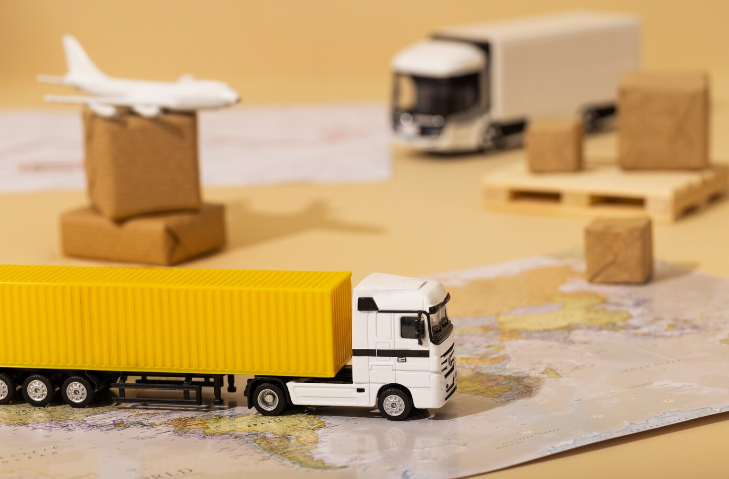
EMS is not just a budget shipping option—it can be a strategic choice for many ecommerce sellers.
EMS works best when:
Your products are low to medium value
For items priced under $50 or $100, DHL shipping may cost too much relative to the product price.
Delivery time is not extremely urgent
If customers are comfortable waiting 7–12 days, EMS offers a good balance between speed and cost.
You ship lightweight parcels
EMS is especially cost-effective for packages under 2 kg.
You want global coverage
EMS reaches remote locations that some courier services charge extra for.
When Ecommerce Businesses Should Choose DHL
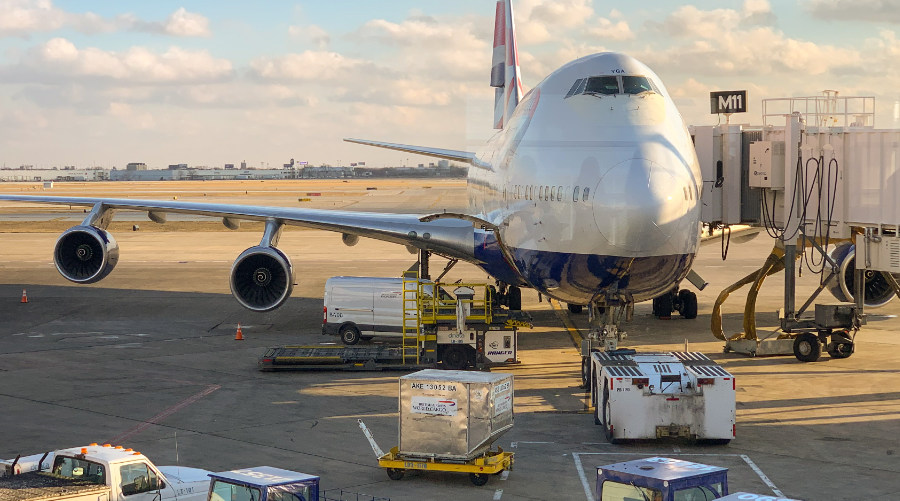
DHL becomes the better choice in other scenarios.
Your customers expect fast shipping
Many premium ecommerce brands promise 3–5 day international delivery.
Only courier services like DHL can consistently meet those expectations.
You sell high-value products
High-value goods benefit from:
Faster deliveryBetter insurance options
Secure handling
You ship urgent orders
Product launches, limited drops, and time-sensitive shipments require fast transit.
You need reliable tracking
Customers appreciate precise tracking updates and delivery notifications.
A Practical Ecommerce Strategy: Offer Both
Many successful ecommerce businesses don’t choose just one shipping method.
Instead, they offer multiple shipping options:
Standard Shipping
EMSLower cost
7–12 days delivery
Express Shipping
DHLHigher cost
3–5 days delivery
This approach allows customers to choose the shipping speed they prefer.
It also helps businesses optimize operational costs.
How 3PL Providers Help Optimize EMS and DHL Shipping
Managing international shipping independently can be complex.
That’s why many ecommerce brands work with third-party logistics providers (3PLs).
A professional 3PL partner can:
Access discounted DHL shipping ratesOptimize shipping routes
Consolidate shipments
Automate fulfillment workflows
Manage customs documentation
For ecommerce businesses shipping from China, using a fulfillment partner like SendFromChina can simplify both EMS and DHL shipping operations.
By combining warehousing, order fulfillment, and international shipping, sellers can reduce costs while maintaining fast global delivery.
Conclusion
Choosing between EMS and DHL ultimately comes down to balancing speed, cost, and customer expectations.
In simple terms:
EMS is affordable and reliable for standard ecommerce shipments.DHL is faster and more consistent for urgent or premium deliveries.
Most ecommerce businesses benefit from using both options strategically. EMS can handle standard orders at a lower cost, while DHL can provide express delivery for customers who need faster shipping.
By understanding the strengths of each service, ecommerce sellers can create a shipping strategy that improves profitability while delivering a better customer experience.
FAQs
Is EMS cheaper than DHL?
Yes. EMS shipping is usually 10–30% cheaper than DHL for international parcels, although delivery times are longer.
Is DHL faster than EMS?
Yes. DHL typically delivers international packages in 1–5 days, while EMS usually takes 7–12 days.
Is EMS reliable for ecommerce shipping?
Yes. EMS is widely used by ecommerce businesses for standard international shipping, though delivery times may vary depending on the destination country.
Does EMS provide tracking?
Yes. EMS provides tracking updates, but they may be less detailed than DHL’s real-time tracking system.
Should ecommerce stores offer both EMS and DHL?
In most cases, yes. Offering both allows customers to choose between affordable standard shipping and faster express delivery, improving overall customer satisfaction.
 Post Views:3230
 TAGS:
TAGS:
Copyright statement: The copyright of this article belongs to the original author. Please indicate the source for reprinting.
Previous Post
EMS vs. FedEx: Key Differences Every Ecommerce Seller Should Know
Next Post
TAGS
Hot Research
Recent News
- Where Does Shein Ship From
- What Is Ecommerce Fulfillment? The Definition, Process, and Benefits
- Third Party Logistics Definition, Process, and Advantages
- Sustainable Ecommerce Packaging From China: Materials, Tradeoffs, and Costs
- Fragile Product Fulfillment From China: Packaging and Handling Requirements
Get Custom eCommerce Fulfillment Service
Book a Meeting
Get a Custom China Fulfillment Solution with FREE Storage for 30 Days
Want to know about our services, fees or receive a custom quote?
 Want to know about our services, fees or receive a custom quote?
Please fill out the form on the right and we will get back to you within a business day.
The more information you provide, the better our initial response will be.