Direct-to-consumer (DTC) fulfillment is no longer just a buzzword—it’s a structural shift in how modern eCommerce brands operate. Instead of relying on wholesalers, marketplaces, or distributors, brands now take ownership of the entire journey: from order placement to final delivery.
This shift is happening fast. The U.S. DTC market alone is projected to exceed $226 billion, fueled by changing consumer expectations and advances in logistics technology.
But what actually makes DTC fulfillment so powerful? And why are so many brands—from startups to global players—moving in this direction?
Let’s break it down.
What Is Direct-to-Consumer (DTC) Fulfillment?
DTC fulfillment refers to the process where a business sells and ships products directly to the end customer without intermediaries like wholesalers or retailers.
It includes:
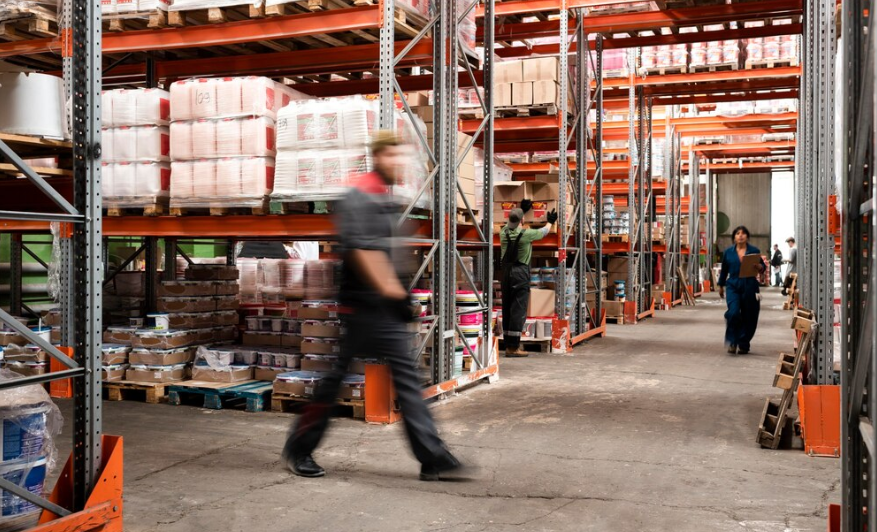
Inventory storage
Order processing
Shipping and delivery
Returns management
In short, it’s the entire post-purchase experience—owned and controlled by the brand.
Why DTC Fulfillment Matters in 2026
Today’s customers don’t just buy products—they expect fast delivery, transparency, personalization, and brand connection.
Traditional retail channels often dilute these experiences. DTC fulfillment removes that friction, giving brands direct control and visibility over every touchpoint.
13 Benefits of Direct-to-Consumer (DTC) Fulfillment
Full Control Over Customer Experience
When you own
fulfillment, you own the experience. From packaging design to delivery speed, every detail is in your hands.
Brands can create memorable unboxing moments, include personalized inserts, and ensure consistent service quality—something difficult when relying on third parties.
Higher Profit Margins
By cutting out intermediaries, brands eliminate wholesale markups and marketplace fees.
DTC businesses can:
Set their own pricing
Retain more revenue
Reinvest in growth
Many DTC brands report gross margins of 60–80%, depending on their operational efficiency.
Direct Access to Customer Data
In traditional retail, customer data belongs to the retailer. In DTC, it belongs to you.
This includes:
Purchase behavior
Preferences
Lifetime value
Engagement patterns
This data becomes the backbone of smarter marketing and product decisions.
Stronger Brand Identity
DTC fulfillment turns logistics into a branding tool.
Custom packaging, branded inserts, and consistent delivery experiences reinforce brand identity at every step. This builds recognition and trust over time.
Improved Customer Relationships
Direct communication creates stronger connections.
Brands can:
Send personalizedemails
Offer loyalty programs
Gather feedback instantly
This leads to higher retention and repeat purchases.
Faster and More Flexible Fulfillment
Without middle layers, decisions move faster.
DTC fulfillment enables:
Faster order processing
Real-time shipping updates
Agile delivery strategies
Modern systems even reduce processing times significantly through automation.
Better Inventory Control
DTC brands have real-time visibility into
stock levels and demand trends.
This reduces:
Dead inventory
Personalization at Scale
Personalization is no longer optional—it’s expected.
DTC fulfillment allows brands to customize:
Packaging
Product bundles
Delivery options
These small touches significantly boost customer satisfaction and perceived value.
Enhanced Customer Satisfaction
Faster delivery, accurate orders, and better communication all contribute to a smoother experience.
Features like:
Real-time tracking
Easy returns
Transparent updates
build trust and increase customer loyalty.
Scalable Growth with 3PL Support
While DTC gives control, it doesn’t mean doing everything in-house.
Scale operations quickly
Reduce infrastructure costs
Maintain service quality
This hybrid approach combines control with efficiency.
Greater Pricing and Promotion Flexibility
DTC brands aren’t locked into retailer pricing rules.
They can:
Run flash sales
Test pricing strategies
Offer bundles and subscriptions
This flexibility enables rapid experimentation and optimization.
Sustainability and Eco-Friendly Opportunities
DTC fulfillment enables brands to adopt greener practices, such as:
Eco-friendly packaging
Carbon-neutral shipping
Reduced waste
Sustainability is becoming a key differentiator in consumer decision-making.
Global Market Expansion
With cross-border logistics and localized fulfillment networks, DTC brands can reach customers worldwide.
This opens doors to:
New markets
Diverse customer segments
International revenue streams
Modern logistics infrastructure makes global expansion more accessible than ever.
The Role of Fulfillment in DTC Success
Here’s the reality: DTC success doesn’t just depend on marketing—it depends heavily on fulfillment.
Poor fulfillment leads to:
Late deliveries
Customer complaints
Refunds and disputes
On the other hand, a well-optimized fulfillment system becomes a competitive advantage.
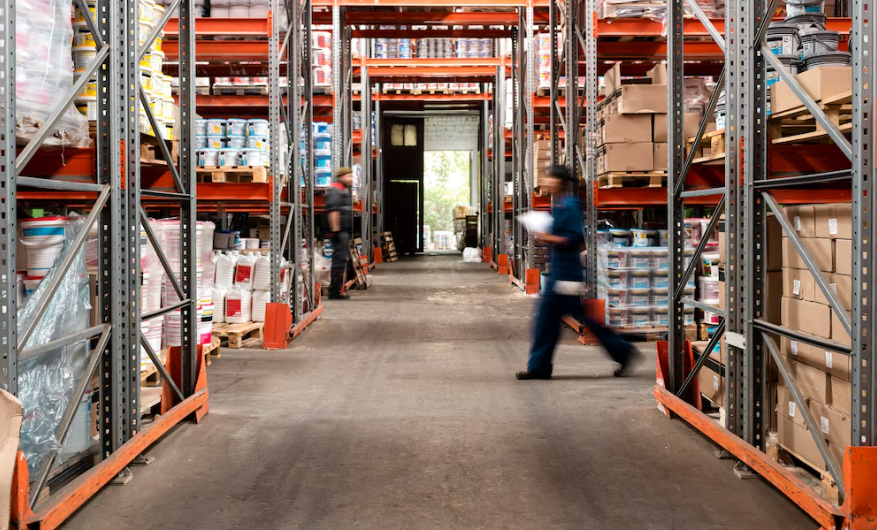
That’s why many growing brands choose specialized partners like SendFromChina to handle
warehousing, picking, packing, and shipping—while they focus on branding and growth.
Challenges to Consider (A Balanced View)
DTC fulfillment isn’t without its challenges:
Higher operational responsibility
Complex logistics management
Initial setup costs
Returns handling complexity
However, the long-term benefits often outweigh these hurdles—especially when supported by experienced logistics providers.
Conclusion
DTC fulfillment is more than a logistics model—it’s a strategic advantage.
It empowers brands to control their customer experience, improve margins, and build lasting relationships. While it requires investment and operational discipline, the payoff is significant: stronger brand equity, better data, and scalable growth.
For modern eCommerce businesses, DTC fulfillment isn’t just an option—it’s becoming the standard.
FAQs
What is DTC fulfillment?
DTC fulfillment is the process of selling and shipping products directly to customers without intermediaries like retailers or wholesalers.
Is DTC fulfillment more profitable?
Yes, it often leads to higher margins by eliminating middlemen, though costs like marketing and logistics must be managed carefully.
Do I need a warehouse for DTC fulfillment?
Not necessarily. Many brands use third-party logistics (3PL) providers to handle storage and shipping.
How does DTC improve customer experience?
It allows full control over delivery speed, packaging, communication, and returns, resulting in a smoother customer journey.
Can small businesses use DTC fulfillment?
Absolutely. With 3PL partners and modern tools, even small brands can scale DTC operations efficiently.





 Post Views:2272
 TAGS:
TAGS:
 Want to know about our services, fees or receive a custom quote?