




Table of Contents
Get Custom eCommerce Fulfillment Service
Book a Meeting
Guide to Shopify fulfillment from China
Time: May 28,2026 Author: SFC Source: www.sendfromchina.com
Running a Shopify store sounds simple in the beginning. You find a supplier, connect products, launch ads, and wait for orders. Then reality hits. Customers ask where their packages are. Shipping costs swing every month. Customs delays appear out of nowhere. Inventory goes out of sync. And suddenly, fulfillment becomes the part of the business that quietly controls profit, customer satisfaction, and long-term scalability.
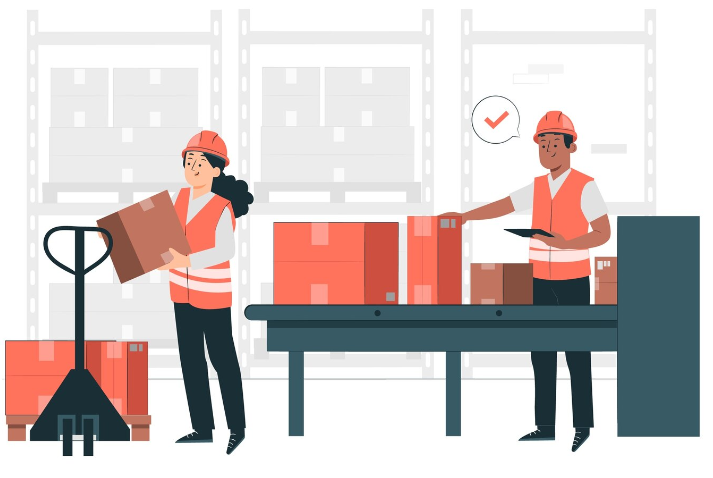
For Shopify sellers sourcing products from China, fulfillment is no longer just “shipping.” It is an operational system that includes inventory management, warehouse coordination, customs clearance, API integrations, last-mile delivery, and customer experience.
This guide explains how Shopify fulfillment from China actually works in 2026 — including lead times, cost structures, delivery methods, integration workflows, customs responsibilities, and real-world case studies.
What Is Shopify Fulfillment From China?
Shopify fulfillment from China refers to a logistics model where products are stored, packed, and shipped directly from China to international customers after orders are placed on a Shopify store.
Instead of importing bulk inventory into the US or Europe first, merchants keep inventory near factories in China and ship globally on demand through a third-party logistics provider (3PL).
A typical fulfillment workflow looks like this:
Customer places an order on Shopify
Order syncs automatically to the fulfillment warehouse
Warehouse picks and packs the product
Shipping label is generated
Parcel is exported from China
Customs clearance occurs in the destination country
Last-mile carrier delivers the package
For many modern DTC brands, this model offers lower upfront inventory costs and greater operational flexibility compared with maintaining overseas warehouse stock.
Who Shopify Fulfillment From China Is For
China-based Shopify fulfillment works best for businesses that prioritize flexibility, lower operational costs, and scalable cross-border shipping.
Ideal For

Startup Shopify Brands
Early-stage stores usually cannot afford to preload inventory into multiple overseas warehouses. Shipping directly from China allows founders to test products without tying up large amounts of cash.
Dropshipping and Hybrid Sellers
Many brands begin with dropshipping, then transition into private-label fulfillment using China-based warehouses once order volume stabilizes.
DTC Brands With Global Customers
If customers are spread across the US, UK, Europe, Australia, and Southeast Asia, centralized China fulfillment can simplify operations.
Brands Selling Lightweight Products
Small consumer products are ideal because air shipping remains cost-effective.
Examples include:
Beauty accessories
Phone accessories
Apparel
Home gadgets
Jewelry
Small electronics
Brands Scaling Beyond 20 Orders Per Day
At low order volume, manual fulfillment may work. Once stores reach consistent daily orders, automation and API-based fulfillment become necessary.
Who Shopify Fulfillment From China Is NOT For
Not every Shopify store should fulfill from China.
Poor Fit Scenarios
Brands Requiring 2-Day Domestic Delivery
Amazon has changed customer expectations. If your market depends heavily on 1–2 day delivery, overseas warehouses may be necessary.
Oversized or Heavy Products
Furniture, gym equipment, and bulky goods often become unprofitable when shipped internationally from China.
Highly Regulated Products
Products involving batteries, supplements, food, cosmetics, or certifications often face customs complications.
Businesses Without Inventory Forecasting
Cross-border fulfillment requires planning. Sellers who constantly run out of stock usually struggle with China-based logistics.
One Reddit seller described how they underestimated true replenishment timelines:
“The real timeline from PO to sellable inventory is 75 to 90 days.”
That is common in ecommerce operations scaling too quickly without supply chain planning.
Typical Lead Time for Shopify Fulfillment From China
Lead time depends on the shipping method, customs processing, destination country, and warehouse efficiency.
Here are realistic 2026 averages for Shopify fulfillment from China:
| Shipping Method | USA | UK | Europe | Australia |
| Express Air (DHL/FedEx/UPS) | 3–5 business days | 3–5 days | 4–6 days | 3–5 days |
| Standard Air Line | 5–10 days | 5–8 days | 6–10 days | 5–8 days |
| Economy Shipping | 8–15 days | 7–12 days | 8–15 days | 7–12 days |
| Sea Freight + Local Delivery | 20–40 days | 25–45 days | 30–50 days | 20–35 days |
However, delivery speed is affected by several hidden factors:
Factory production time
Chinese export processing
Airline capacity
Customs delays
Last-mile carrier congestion
Peak season backlogs
During Q4, delivery windows can easily extend by 5–15 additional days.
Cost Structure of Shopify Fulfillment From China
In reality, fulfillment pricing usually includes five layers.
Receiving Fees
Charged when inventory arrives at the warehouse.
Typical range: Free to $15 per carton
Storage Fees
Based on cubic meters or pallet space.
Typical range: $10–$40 per cubic meter monthly
Pick and Pack Fees
Charged per order handled.
Typical range: $1–$3 per order
Additional SKU handling may increase costs.
Shipping Costs
The largest variable expense.
Pricing depends on:
Destination country
Parcel weight
Parcel dimensions
Shipping line
Customs method
Fuel surcharges
Value-Added Services
Optional services may include:
Branding inserts
Kitting
Custom packaging
Product inspection
Barcode labeling
Returns processing
Why Many Shopify Sellers Still Prefer China Fulfillment
Even with rising tariffs and customs scrutiny, many brands continue using China fulfillment because it improves cash flow.
A Shopify seller on Reddit explained that hybrid fulfillment reduced inventory capital pressure significantly:
That operational flexibility is one reason many DTC brands now combine:
US warehouses for bestsellers
China fulfillment for long-tail SKUs
Customs Clearance Responsibility
Customs clearance is one of the most misunderstood parts of cross-border Shopify fulfillment.
There are generally two shipping models:
DDU (Delivered Duty Unpaid)
The customer pays import taxes or duties upon arrival.
This model creates risk because customers may:
Refuse packages
Leave negative reviews
Request refunds
DDP (Delivered Duty Paid)
The seller or logistics provider prepays duties before shipping.
This is now the preferred ecommerce model because customers experience smoother delivery with no surprise fees.
In most modern Shopify fulfillment setups, the 3PL or shipping partner handles:
Commercial invoices
HS codes
Export declarations
Import tax calculations
Customs filings
However, the merchant is still legally responsible for:
Product compliance
Accurate product descriptions
Declared values
Restricted goods violations
Last-Mile Delivery Methods
Once parcels clear customs, local carriers complete final delivery.
This “last mile” is often invisible to customers but extremely important for delivery experience.
Common Last-Mile Carriers
United States
USPS
UPS
FedEx
United Kingdom
Royal Mail
Evri
Europe
DHL
DPD
Most China fulfillment providers now use “carrier injection” models.
That means:
Parcels fly from China in bulk
They clear customs together
Domestic tracking activates locally
Local carriers complete delivery
Customers often see familiar local tracking numbers even though the parcel originated in China.
Shopify and API Integration
API integration is the operational backbone of modern fulfillment.
Without automation, order management quickly becomes chaotic.
How Shopify Integration Works
Most 3PL providers connect through:
Shopify apps
APIs
Webhooks
Once connected:
Orders sync automatically
Inventory updates in real time
Tracking numbers push back into Shopify
Shipping status updates automatically
A proper integration reduces:
Overselling
Manual CSV uploads
Shipping delays
Human errors
Common Shopify Fulfillment Integration Stack
Many growing brands now operate with:
| System | Purpose |
| Shopify | Ecommerce storefront |
| 3PL/WMS | Inventory + fulfillment |
| ERP or OMS | Order management |
| Shipping software | Label generation |
| Tracking platform | Customer notifications |
| Returns platform | Reverse logistics |
Large brands increasingly use distributed inventory routing to determine which warehouse should fulfill each order based on:
Shipping speed
Inventory levels
Shipping cost
Customer location
Common Problems Shopify Sellers Face
Inventory Sync Errors
One of the biggest operational problems is inventory mismatch between Shopify and warehouses.
This creates:
Overselling
Canceled orders
Customer complaints
Shipping Delays
Delays often happen because sellers rely on unstable shipping lines rather than dedicated ecommerce channels.
Poor Communication
Some fulfillment agents disappear after onboarding. This becomes disastrous during customs issues or peak seasons.
Inconsistent Tracking
Tracking gaps still happen when systems between export carriers and local carriers fail to sync properly.
Case Study: Reducing Delivery Times From 18 Days to 7 Days
One Shopify lifestyle accessories brand struggled with:
12–18 day delivery windows
Customer complaints
Declining repeat purchases
After switching to a dedicated fulfillment setup in China:
Orders were processed faster
Inventory was pre-positioned
Shipping lines improved
Tracking stabilized
The result:
Average delivery reduced to 7 days
Customer support tickets dropped significantly
This type of improvement is common when merchants move from supplier-managed shipping to professional 3PL fulfillment.
Case Study: Automated Fulfillment at Scale
Another ecommerce brand handling 300–1,500 daily orders automated its Shopify fulfillment workflow to eliminate manual processing.
The company achieved:
Faster shipping times
Reduced overselling
Lower operational workload
The biggest improvement came from real-time inventory synchronization between Shopify and the warehouse system.
At higher order volume, automation becomes less of a convenience and more of a survival requirement.
How to Choose the Right Shopify Fulfillment Partner in China
Not all fulfillment providers operate the same way.
Here are the criteria experienced Shopify brands usually evaluate.
Warehouse Location
Shenzhen, Guangzhou, Yiwu, and Hangzhou remain major ecommerce logistics hubs.
Shenzhen is especially popular for:
Electronics
Fast export processing
Air freight access
API Stability
A beautiful dashboard means nothing if inventory sync fails during peak traffic.
Always test:
Order push speed
Inventory updates
Tracking synchronization
Shipping Line Quality
Ask providers:
Which carriers they use
Whether they own shipping lines
Average customs delay rates
Peak season performance
Customer Support Responsiveness
A delayed response during customs seizure situations can cost thousands.
Scalability
Your fulfillment partner should handle growth from 20 orders/day to 2,000+ orders/day without operational collapse.
Hybrid Fulfillment Is Becoming the New Standard
In 2026, many advanced Shopify brands no longer rely on a single warehouse model.
Instead, they combine:
China fulfillment for flexibility
Domestic warehouses for fast-moving SKUs
This hybrid strategy improves:
Cash flow
Delivery speed
Inventory efficiency
A Reddit seller explained their setup clearly:
For scaling Shopify brands, this is increasingly becoming the operational sweet spot.
Conclusion
Shopify fulfillment from China is no longer just a low-cost shipping solution. It has evolved into a sophisticated operational model combining warehousing, automation, customs management, and global delivery infrastructure.
For the right type of Shopify business, it offers:
Lower upfront inventory costs
Flexible scaling
Global reach
Strong supplier proximity
Better cash flow efficiency
But success depends heavily on choosing the right logistics partner, integrating systems properly, and maintaining realistic delivery expectations.
The brands winning in 2026 are not necessarily the ones shipping fastest. They are the ones building fulfillment systems that remain stable while scaling.
FAQs
Is Shopify fulfillment from China still profitable in 2026?
Yes. Many DTC brands still use China fulfillment because manufacturing proximity and flexible inventory management improve margins.
How long does shipping from China usually take?
Most Shopify orders shipped via standard air lines arrive within 5–10 business days.
Who handles customs clearance?
Usually the shipping carrier or 3PL manages customs processing, but the merchant remains responsible for compliance and declaration accuracy.
Can Shopify integrate directly with a China warehouse?
Yes. Most professional 3PLs offer Shopify apps, APIs, or webhook integrations for automatic order syncing.
Is China fulfillment better than US warehousing?
It depends on your business model. China fulfillment improves flexibility and cash flow, while US warehousing provides faster domestic delivery.
 Post Views:4569
 TAGS:
TAGS:
Copyright statement: The copyright of this article belongs to the original author. Please indicate the source for reprinting.
Previous Post
Guide to Amazon Seller Fulfillment from China
Next Post
TAGS
Hot Research
Get Custom eCommerce Fulfillment Service
Book a Meeting
Get a Custom China Fulfillment Solution with FREE Storage for 30 Days
Want to know about our services, fees or receive a custom quote?
 Want to know about our services, fees or receive a custom quote?
Please fill out the form on the right and we will get back to you within a business day.
The more information you provide, the better our initial response will be.