




Table of Contents
Get Custom eCommerce Fulfillment Service
Book a Meeting
Crowdfunding Shipping Checklist for First-Time Creators
Time: Jul 22,2026 Author: SFC Source: www.sendfromchina.com
Funding day feels amazing. You refresh the page. The number goes up. Backers are cheering. Someone comments, "Can't wait!"

Lovely moment.
Then the real work starts.
For first-time creators, shipping is often the part that feels boring during launch planning and terrifying after funding. It is easy to spend weeks polishing the video, the story, the prototype photos, and the reward graphics. Shipping gets a tiny line in the budget and maybe a rough guess like "$15 worldwide."
Oof. That is where campaigns get hurt.
Shipping is not one task. It is a chain. It includes reward design, packaging, surveys, address data, tax rules, freight, customs, warehouse receiving, pick and pack, last-mile delivery, tracking, failed deliveries, returns, and support messages from backers who are trying to be patient but are clearly not having a fun time.
Kickstarter says creators are responsible for completing the project and fulfilling rewards to the best of their abilities, while also updating backers about delays or roadblocks. That is a simple sentence, but it carries a lot of weight. Indiegogo's creator guidelines also make it clear that the creator is responsible for delivery of rewards and compliance around shipping and tax information.
So, this checklist is built for the first-time creator who wants a practical path. Not a perfect path. Perfect does not exist in crowdfunding logistics. But a path that keeps you from making the classic mistakes: undercharging shipping, missing customs data, choosing the wrong packaging, collecting addresses too early, or sending 2,000 parcels into the world with no exception plan.
If your rewards are made in China, a partner like SendFromChina's crowdfunding fulfillment service can help with China warehousing, reward assembly, pick and pack, and global shipping. But even if you use a different setup, the checklist below will help you ask better questions.
Start With the Real Job: Shipping Rewards to Backers, Not Just "Posting Parcels"
Crowdfunding shipping has a different rhythm from normal ecommerce.
An online store ships orders every day. A campaign often ships in one big wave after months of design, production, quality checks, and survey collection. That wave can include different reward tiers, add-ons, bundles, colors, sizes, language versions, signed items, replacement parts, and a few backers who changed address three times.
That is why the first checklist item is not "choose a carrier."
It is this:
Map the whole reward journey from factory to backer.
For a physical product campaign, the journey usually looks like this:
Reward tiers and add-ons are finalized.
Campaign launches.
Campaign ends and funds are processed.
Surveys or pledge manager collect final addresses and choices.
Production begins or continues.
Quality control checks finished goods.
Products are packed for export or fulfillment.
Inventory moves to a warehouse or fulfillment center.
Orders are picked, packed, labeled, and shipped.
Parcels clear export and import customs.
Last-mile carriers deliver rewards to backers.
Failed deliveries, returns, damage claims, and replacements are handled.
That is the real project. The campaign page is the promise. Fulfillment is where the promise meets cardboard, customs forms, and actual human doorbells.
Why First-Time Creators Underestimate Crowdfunding Shipping
First-time creators usually underestimate shipping for five reasons.
First, sample shipping feels simple. You send one prototype by express courier. It arrives in four days. You think, "Great, global shipping is easy." But shipping one sample is not the same as shipping 4,000 mixed rewards to 52 countries.
Second, the packed size is not final during campaign planning. A product that looks small on a desk may need foam, inserts, a retail box, a master carton, or a battery label. Dimensional weight can quietly raise cost.
Third, international backers are not one group. Canada, Germany, Australia, Brazil, Japan, and the UK each behave differently. Customs, carrier handoff, address formats, taxes, and remote areas all change the result.
Fourth, reward complexity grows during the campaign. Stretch goals, add-ons, extra colors, upgraded packaging, and "just one more variant" sound exciting. Later, those choices become warehouse rules.
Fifth, backer communication is part of shipping. If you explain duties, timelines, and delays early, backers may stay calm. If the first time they hear about import tax is when a carrier asks for money at the door, well, that inbox will get spicy.
The Pre-Launch Crowdfunding Shipping Checklist
Before launch, your goal is not to know every final cost down to the cent. That is rarely realistic. Your goal is to avoid wild guessing.
Use this first table as your pre-launch map.
|
Checklist Area
|
What to Confirm Before Launch
|
Why It Matters
|
|
Reward design
|
Final items, variants, add-ons, and bundle rules
|
Every choice creates SKU and packing complexity
|
|
Packed size
|
Estimated product, retail box, protection, and outer carton dimensions
|
Shipping cost is based on weight and size, not vibes
|
|
Shipping zones
|
Countries you will support, exclude, or charge separately
|
Some locations are expensive, slow, or restricted
|
|
Tax and duties
|
DDP, DAP/DDU, VAT, GST, customs duty, and handling fees
|
Surprise import bills cause complaints and refused parcels
|
|
Fulfillment model
|
Self-fulfillment, 3PL, China direct, regional warehouse, or hybrid
|
The model changes cost, speed, and workload
|
|
Survey plan
|
Address timing, phone number, email, reward choices, and add-ons
|
Bad data creates bad labels
|
|
Packaging plan
|
Mailer, carton, inserts, bubble wrap, corner protection, labels
|
Damage is more expensive than good packing
|
|
Timeline buffer
|
Production, QC, freight, customs, warehouse receiving, pick and pack, last mile
|
Crowdfunding timelines slip when each step has no margin
|
|
Support plan
|
Tracking emails, address changes, failed delivery, replacements, refunds
|
Backer trust depends on response quality
|
This looks like a lot. It is. But it is much easier to answer these questions before launch than after 3,000 people have pledged.
Decide Where Rewards Will Ship From
Your campaign location does not always equal your shipping origin. Kickstarter's support pages remind backers that rewards may ship from a country different from the project location. That point matters a lot when products are manufactured in China.
You have several options:
Bulk import inventory to a domestic warehouse, then ship locally.
Ship from a China fulfillment center directly to backers.
Split stock between China and regional warehouses.
Use a hybrid model for high-volume countries and long-tail countries.
If your manufacturer is in Shenzhen, Dongguan, Guangzhou, Yiwu, Ningbo, or another Chinese manufacturing hub, shipping everything to your garage first can add freight cost, import complexity, and handling time. For some campaigns, it still makes sense. For others, using a China-based partner for Kickstarter fulfillment from China is cleaner.
Here is the simple rule:
Put inventory where it removes the most risk, not where it feels familiar.
If 80% of your backers are in one country, regional stock may work. If your backers are spread across the US, EU, UK, Canada, Australia, and Asia, China direct fulfillment or a hybrid model may be more flexible.
Build Shipping Into the Funding Goal
Your funding goal should cover product cost, tooling, packaging, freight, fulfillment labor, platform fees, payment fees, taxes, duties if you absorb them, returns, replacements, and a buffer.
Shopify's crowdfunding guide gives very practical advice here: write down all expenses, including small things like shipping tape, then add them up. That sounds almost too basic. It is also exactly what many first-time creators skip.
A useful campaign budget should include:
Packaging cost per reward.
Quality control and inspection.
Inbound freight to the fulfillment warehouse.
Warehouse receiving and storage.
Pick and pack fees.
Shipping label cost by zone.
Fuel, remote, oversized, or residential surcharges.
Customs brokerage or import fees.
Duties, VAT, GST, or sales tax handling.
Returned parcels and reshipments.
Damaged parcel replacements.
Customer support time.
A contingency buffer.
For early estimates, you can use a tool like the SendFromChina shipping cost calculator, but do not stop there. Ask for a quote using your packed weight, packed dimensions, top destinations, product category, battery status, and planned order volume.
Reward Design: The Shipping Checklist Starts on the Campaign Page
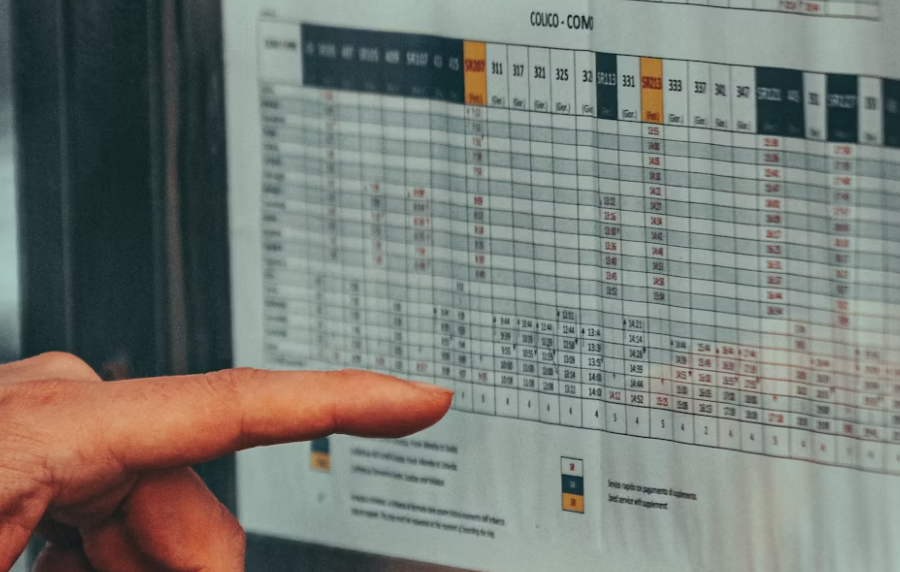
Reward design is shipping design in disguise.
A simple reward tier is easy to pack. A complicated reward tier can be a small warehouse puzzle. That does not mean you should avoid bundles or add-ons. It means you should create them with fulfillment in mind.
Keep Reward Tiers Easy to Understand and Easy to Pack
Kickstarter's reward setup guidance encourages creators to itemize rewards, build tiers, add add-ons, and organize estimated delivery timelines. That itemization is not just a platform detail. It becomes your fulfillment data later.
Ask these questions for each tier:
Are there size, color, language, plug, region, or version choices?
Can the warehouse identify each item by SKU?
Can this tier fit into one standard package?
Does it require custom packing or inserts?
Does it contain batteries, liquids, magnets, food-contact materials, sharp edges, or branded/IP-sensitive goods?
Is the promised estimated delivery date realistic for every item in the tier?
If the answer is fuzzy, the packing team will feel that fuzz later. And they will feel it at scale.
Treat Add-Ons Like Real Products
Add-ons are fun during a campaign. They also create order combinations.
One main reward plus one add-on is simple. One main reward plus four add-ons, two color choices, and a stretch-goal item is a different thing. The warehouse has to pick the right items, fit them into the right carton, apply the right shipping label, and declare them correctly.
Before launch, create a basic add-on matrix:
|
Add-On Question
|
Best Practice
|
|
Can it ship with every main reward?
|
Define allowed combinations before launch
|
|
Does it change parcel size or weight?
|
Recalculate shipping for common bundles
|
|
Does it need separate packaging?
|
Confirm protection and packing labor
|
|
Does it change customs classification?
|
Confirm HS code and product description
|
|
Could it delay the main reward?
|
Consider separate production or shipping waves
|
Here is a very normal example.
A creator launches a board game. Then they add metal coins, card sleeves, a playmat, and a storage box. Backers love it. Great. But the playmat creates a longer package, the coins add weight, and the storage box changes carton size. The shipping quote from the base game no longer works.
That is not a disaster if you planned for it. It is a disaster if you promised one flat global shipping price before testing the bundle.
Avoid Too Many Physical Variants
Variants create mistakes.
Sizes, colors, plug types, languages, left-hand/right-hand versions, signed copies, limited editions, and region-specific kits all need clean SKU logic. Apparel campaigns and electronics campaigns feel this pain quickly.
A bit of friendly advice: if you are a first-time creator, keep the first campaign tighter than your imagination wants it to be.
You can always expand later. It is harder to remove complexity after backers have pledged for it.
Packaging Checklist: Protect the Reward Before You Price the Shipment
Packaging is not decoration. It is part of the shipping product.
A reward can be beautifully made and still arrive cracked, dented, wet, crushed, or missing parts. Backers will not care that the factory did a good job if the package looks like it lost a fight with a conveyor belt.
SendFromChina's packing materials page is useful here because it shows the range of mailers, cartons, bubble protection, and packing options sellers may need. For crowdfunding, the right choice depends on the item, the route, and the backer expectation.
Test the Final Packed Weight and Dimensions
Do not quote shipping from product weight alone.
Measure:
Retail box weight.
Manual, cable, accessories, inserts, and stretch goals.
Protective material.
Outer shipping carton or mailer.
Final packed dimensions.
Carriers often charge based on the higher of actual weight or dimensional weight. A lightweight but bulky reward can cost more than expected. Think plush toys, board games, lamps, helmets, foam-packed electronics, or collector boxes.
Choose Packaging by Risk, Not Just Looks
Use the smallest package that still protects the reward.
For example:
Board games need corner protection and crush-resistant cartons.
Electronics may need anti-static bags, molded inserts, and cable organization.
Glass, ceramics, or display pieces need drop-tested protection.
Posters or playmats may need tubes or rigid long cartons.
Premium collector items may need extra care because packaging condition is part of the product.
That last point matters. Some backers collect things. A dented box is not "just packaging" to them.
Run a Small Packing Trial
Before mass fulfillment, pack 10 to 20 sample orders.
Include:
A reward with add-ons.
The heaviest bundle.
The most fragile bundle.
A common international order.
A weird but allowed combination.
Then check:
Does the carton close cleanly?
Does the label fit?
Does the product move inside the box?
Does the parcel pass a simple shake test?
Does the actual weight match your quote?
Does the packing process take 30 seconds or 4 minutes?
That last question affects labor cost. Slow packing becomes expensive when you multiply it by thousands.
Backer Survey and Pledge Manager Checklis

Backer data is the fuel for fulfillment. Dirty data makes dirty shipping labels.
Kickstarter says creators may collect reward details through Kickstarter Pledge Manager, Backer Survey, or a third-party service. Indiegogo's pledge manager and shipping setup also let creators manage zones, models, hubs, taxes, add-ons, and late pledges.
The tool matters less than the structure.
Collect the Right Data Once
Your survey or pledge manager should collect:
Complete shipping address.
Country and region.
Postal code.
Phone number.
Email address.
Reward choices.
Size, color, language, plug, or version.
Add-ons and upgrades.
Tax or VAT information if required by the platform flow.
Consent or acknowledgement for import duties if you use DAP/DDU.
Phone number and email are not optional for many international shipments. Couriers may need them for customs, delivery scheduling, or duty collection.
Do Not Lock Addresses Too Early
If you collect addresses right after funding but ship nine months later, many addresses will be stale.
People move. Students graduate. Backers change jobs. Apartment leases end. Someone forgets they backed your thing while living in another country. It happens.
A better flow:
Keep addresses editable until a clear lock date.
Announce the lock date in updates.
Send reminders before locking.
Export final data only after the lock date.
Stop manual edits once labels are being prepared.
This is not glamorous. It saves a surprising amount of pain.
Clean the Data Before It Reaches the Warehouse
Before sending orders to a fulfillment partner, run a data review:
Invalid country/state combinations.
Non-English characters that the carrier label cannot process.
PO boxes where the selected carrier cannot deliver.
Missing phone numbers.
Duplicate orders.
Backers with unpaid shipping or taxes.
Unsupported countries.
Orders with conflicting add-ons.
Addresses that look like comments, not addresses.
If you work with a fulfillment partner, ask whether they can validate addresses and flag exceptions before label purchase. A warehouse should not be guessing what "near the big mall, third door" means.
Shipping Zones and Cost Checklist
Shipping zones decide what you offer, what you charge, and what you later have to support.
Indiegogo's shipping setup uses shipping models and shipping zones. That is a good mental model even if you are on another platform.
Do Not Promise "Worldwide Shipping" Too Casually
"Worldwide shipping" sounds generous. It can also mean remote islands, sanctioned regions, high-risk customs destinations, countries with poor tracking, countries where returns are impossible, and places your product cannot legally enter.
Better wording:
"We plan to ship to the United States, Canada, United Kingdom, European Union, Australia, New Zealand, Japan, Singapore, and selected additional countries. Some destinations may be unavailable due to carrier, customs, or product restrictions."
It is less romantic. It is more honest.
Build Zone Groups Around Real Cost
A simple zone plan might look like this:
|
Zone
|
Typical Use
|
Checklist Notes
|
|
Domestic creator country
|
Local backers or home-country fulfillment
|
Usually easier returns and support
|
|
United States
|
Large crowdfunding market
|
Check current duty rules, product category, and address data
|
|
European Union
|
High demand, more tax and customs detail
|
Plan VAT, duty, IOSS/OSS where relevant, and the 2026 low-value duty change
|
|
United Kingdom
|
Separate VAT and import rules after Brexit
|
Confirm value thresholds and tax handling
|
|
Canada
|
Common destination, but taxes and remote areas vary
|
Watch address format and remote surcharges
|
|
Australia / New Zealand
|
Strong backer market for many categories
|
Check GST and delivery time
|
|
Rest of world
|
Long-tail demand
|
Price carefully or restrict by country
|
The point is not to copy this exact zone list. The point is to price zones based on actual parcel profiles.
Decide Whether to Charge Shipping Now or Later
Kickstarter's pledge manager shipping guidance says creators can show an estimated shipping cost during the campaign and charge the final amount later through pledge manager. This can help when final order count, shipping provider prices, and destination mix are not yet known.
Charging later can be useful when:
You expect many add-ons.
International shipping rates are volatile.
You want accurate tax and duty handling closer to fulfillment.
You have backers across many countries.
Charging during the campaign can be useful when:
Shipping zones are simple.
You want backers to know the full pledge amount upfront.
You can absorb some rate movement.
There is no universal answer. The mistake is pretending uncertain costs are certain.
Customs, Duties, VAT, and DDP Checklist
International shipping is not just transportation. It is import compliance.
That sounds dull, I know. But this is where a lot of backer anger comes from.
Kickstarter's customs fee guidance says creators have a legal responsibility to properly declare shipped items, including value, and that duties, taxes, VAT, or customs clearance fees may be charged depending on the destination country. Its DDP vs DDU guidance also stresses clear communication around who pays import charges.
Prepare Customs Data Before Labels Are Created
For each SKU, prepare:
Specific product description.
HS code.
Declared value.
Country of origin.
Material composition if relevant.
Battery status.
Quantity.
Weight.
Manufacturer or supplier details if needed.
Any certificates, test reports, or compliance documents.
Do not use vague descriptions like "gift," "sample," "accessory," or "reward." A customs officer does not know what those mean. Use clear descriptions like "plastic tabletop game pieces," "cotton T-shirt," "wireless charging pad," or "stainless steel water bottle."
DDP vs DAP / DDU: Decide Before You Promise
Incoterms are published by the International Chamber of Commerce. For crowdfunding creators, the most common practical question is simple:
Will the backer pay import charges at delivery, or will you handle them upfront?
|
Term
|
Plain Meaning
|
Backer Experience
|
Creator Risk
|
|
DDP
|
Delivered Duty Paid
|
Backer usually receives without a surprise duty bill
|
Creator must budget duties, taxes, carrier billing, and correct setup
|
|
DAP / DDU
|
Backer pays import charges on arrival
|
Backer may receive a carrier bill before delivery
|
More complaints, refusals, and support tickets if not explained
|
DDP is smoother for backers. DAP/DDU can be cheaper for the creator upfront, but only if backers understand it. Surprise fees are trust killers.
If you use DAP/DDU, say it plainly on the campaign page:
"International backers may be responsible for import VAT, customs duties, brokerage fees, or local handling fees charged by their country or carrier."
Yes, it sounds a little dry. Better dry than angry.
Watch 2026 Low-Value Import Changes
Customs rules are moving fast.
In the United States, CBP states that duty-free de minimis treatment for low-value shipments from China ended in 2025, and later guidance suspended de minimis treatment more broadly from August 29, 2025. In the EU, the European Commission announced that from July 1, 2026, low-value parcels up to EUR150 imported from outside the EU face a temporary EUR3 customs duty per item type, with product identifiers becoming more important in the wider reform.
For creators, the practical lesson is clear:
Do not build your campaign around old low-value parcel assumptions.
If you are shipping rewards from China to the US, EU, UK, or other major markets, ask your fulfillment partner how duties, taxes, and customs data are handled now, not how they worked two years ago.
Product Compliance and Restricted Item Checklist

Some products are easy to ship. Some are not.
If your reward includes batteries, liquids, magnets, food-contact materials, cosmetics, supplements, toys, electronics, wireless modules, sharp tools, medical claims, or branded elements, you need a restriction review early.
SendFromChina's China warehouse service notes that products may require review based on product category, destination rules, carrier policy, customs rules, or safety regulations.
Check Batteries Before You Choose Air Shipping
IATA's lithium battery guidance explains that batteries can be carried by air depending on configuration, watt-hour rating, lithium content, and packaging rules. Translation: do not assume a battery product can use every route.
Battery questions to ask:
Is it packed with equipment?
Is it a spare battery?
What is the watt-hour rating?
Does it need UN38.3 testing?
Does the packaging need battery marks or labels?
Are there airline or destination restrictions?
For campaigns with electronics, a battery mistake can delay an entire shipping wave.
Match Product Standards to Destination Markets
Crowdfunding creators sometimes think, "This is a reward, not a retail product."
Customs and regulators may not see it that way.
Depending on the category and destination, you may need to consider:
UKCA requirements for some UK goods.
FCC or other radio rules for wireless electronics.
Toy safety rules.
Food-contact material rules.
Textile labeling.
Country of origin labeling.
Product manuals and safety warnings.
Battery marks and dangerous goods labels.
This is not legal advice. It is an operational warning. Ask your manufacturer, test lab, customs broker, or fulfillment partner early.
Fulfillment Model Checklist: Self, 3PL, China Direct, or Hybrid
There are four common fulfillment models for crowdfunding campaigns.
None is perfect. Each is good for a different kind of campaign.
|
Model
|
Best Fit
|
What Can Go Wrong
|
|
Self-fulfillment
|
Small domestic campaigns with simple rewards
|
Your home becomes a warehouse, and support can overwhelm you
|
|
Domestic 3PL
|
Stable volume in one main market
|
Bulk import, storage, and regional stock risk
|
|
China direct fulfillment
|
China-made rewards shipping to many countries
|
Requires strong customs data, route planning, and partner coordination
|
|
Hybrid fulfillment
|
Large campaigns with concentrated markets plus global long tail
|
More planning, split inventory, and system rules
|
When Self-Fulfillment Makes Sense
Self-fulfillment can work if:
Most backers are domestic.
Rewards are simple and not fragile.
You have space, time, and label tools.
You can handle returns and support.
It is not "free." Your labor has value. So does your living room.
Self-fulfillment gets messy when the campaign is larger than expected. Packing 100 parcels on a weekend is doable. Packing 5,000 is a different sport.
When a China 3PL Makes Sense
If rewards are manufactured in China and backers are global, a China-based fulfillment partner can reduce extra movement.
A partner like SFC can receive inventory from suppliers, store goods, perform pick and pack, add inserts or labels through value-added services, and ship rewards worldwide through different routes.
This can help when:
Rewards need kitting or assembly.
Backers are spread across many countries.
You want to avoid importing everything to one domestic warehouse first.
You need different shipping methods by destination.
You want a partner familiar with crowdfunding waves.
You can also use consolidated shipping from China when multiple suppliers are involved and inventory needs to be combined before final packing.
When Hybrid Fulfillment Makes Sense
Hybrid fulfillment means you place some inventory near major backer markets and keep the rest in China or another hub.
For example:
EU stock goes to a European warehouse or customs-compliant hub.
Long-tail countries ship from China.
Replacement parts remain in China.
This is more complex, but it can improve delivery speed for your largest markets while avoiding too much stranded inventory.
Timeline Checklist: Build the Shipping Calendar Backward
Kickstarter's 2026 article From Funded to Delivered says many overseas-manufactured campaigns should think in terms of a realistic post-campaign window around twelve months from campaign end to final delivery, with first-time creators and complex products often taking longer.
That may sound scary. It is also useful.
A realistic timeline protects trust.
Build a Fulfillment Timeline by Phase
Use this timeline as a starting point, then adjust to your product.
|
Phase
|
What Happens
|
Common Risk
|
|
Campaign close and funds
|
Payments process, supplier contracts finalize
|
Failed payments, late pledge changes
|
|
Survey / pledge manager
|
Backers confirm address, choices, add-ons, shipping
|
Slow survey response, bad data
|
|
Production
|
Factory manufactures rewards
|
Tooling delays, material shortages, rework
|
|
QC and packing prep
|
Inspection, carton testing, SKU labeling
|
Defects, missing parts, wrong labels
|
|
Freight to warehouse
|
Goods move to fulfillment center
|
Export delay, customs, port or airport congestion
|
|
Warehouse receiving
|
Inventory counted, checked, stored
|
Quantity mismatch, damaged cartons
|
|
Pick and pack
|
Orders assembled and labeled
|
Complex bundles, missing data
|
|
International shipping
|
Parcels move through carrier network
|
Customs holds, remote areas, failed delivery
|
|
Exception handling
|
Returns, reships, replacements, support
|
No spare stock, unclear policy
|
Add buffer to every phase that depends on another company. That means manufacturing, freight, customs, and carrier delivery. The universe enjoys testing tight timelines. Rude, but true.
Do Not Promise the Fastest Possible Date
Backers like honesty more than fantasy.
Instead of:
"Ships in March."
Use:
"Estimated delivery: May 2027. We expect production to finish in March, then we need time for QC, freight, warehouse receiving, and final parcel shipping."
That gives backers a reason behind the date. It also gives you space to handle normal friction.
Warehouse Handoff Checklist
When goods arrive at the fulfillment warehouse, the campaign shifts from manufacturing to operations.
This is where you need clean files.
Before the warehouse starts, prepare:
Product photos.
Barcode or SKU labels.
Carton count.
Master carton dimensions and weight.
Unit dimensions and weight.
Packing instructions.
Bundle rules.
Insert rules.
Backer order file.
Shipping method rules.
Customs data.
Exception list.
Replacement stock plan.
If you use China warehouse storage, ask about ASN requirements, receiving timelines, SKU labeling, inventory accuracy, storage billing, and how exceptions are reported.
Create Packing Rules That a Stranger Can Follow
Do not send instructions like:
"Pack it nicely."
Send instructions like:
"For Reward Tier B, pack one main device, one USB-C cable, one English manual, one sticker sheet, and one thank-you card into carton type C2. Add corner protection. Seal with clear tape. Apply lithium battery label if required by route."
Good instructions remove interpretation.
Hold Spare Units for Replacements
Set aside replacement inventory before shipping everything.
A practical reserve may cover:
Carrier loss.Transit damage.
Wrong item claims.
Missing accessories.
Dead-on-arrival electronics.
Failed delivery reships.
VIP backer support.
The right percentage depends on category and route. Fragile items need more. Simple soft goods need less. But zero spare stock is brave in the not-good way.
Tracking and Backer Communication Checklist
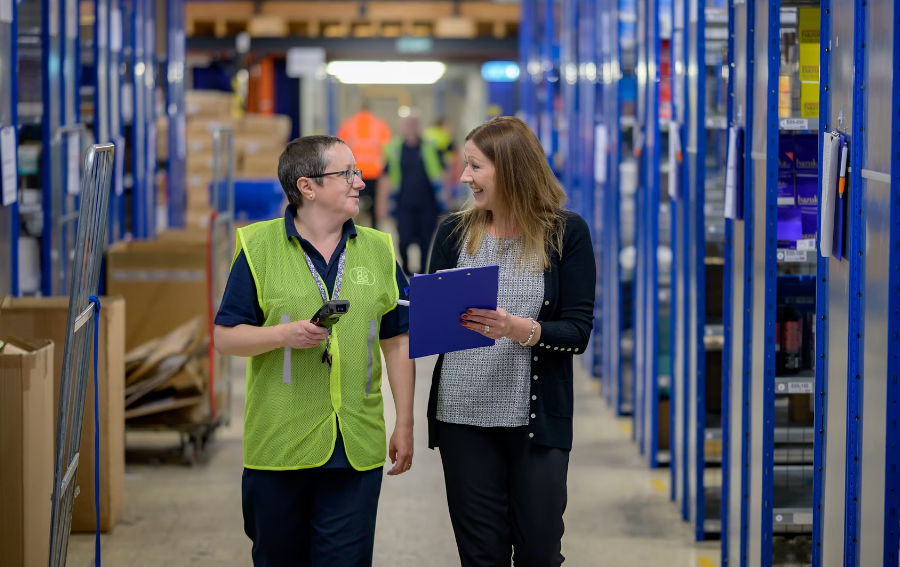
Shipping is also communication. Backers do not need daily poetry. They need clear updates when something changes.
Send Updates at Natural Milestones
Useful fulfillment updates include:
Survey or pledge manager opening.Address lock date.
Production start.
Production completion.
QC results.
Freight departure.
Warehouse receiving.
Packing start.
First shipping wave.
Region-specific delivery updates.
Known delays.
Replacement process.
If you use SendFromChina, backers and support teams can check parcel status through the shipment tracking tool.
Explain Shipping Waves Before Backers Notice
Not all backers will receive rewards on the same day.
Explain why:
Different countries use different routes.Some rewards need different packaging.
Some add-ons finish later.
Customs may clear in batches.
Remote regions take longer.
Say this before people compare tracking numbers in the comments.
Be Direct About Delays
A useful delay update includes:
What happened.Which backers are affected.
What is being done.
What the new expected timing is.
When the next update will come.
Avoid vague lines like "logistics issues." Backers read that as "we do not know what is going on."
Try:
"The EU batch has finished packing, but the carrier requested a customs data correction for two accessory SKUs. We are updating the HS code descriptions now. This should delay EU dispatch by about 5 to 7 business days. We will post the next update on Friday."
Not fancy. Very useful.
Common Shipping Problems First-Time Creators Should Expect
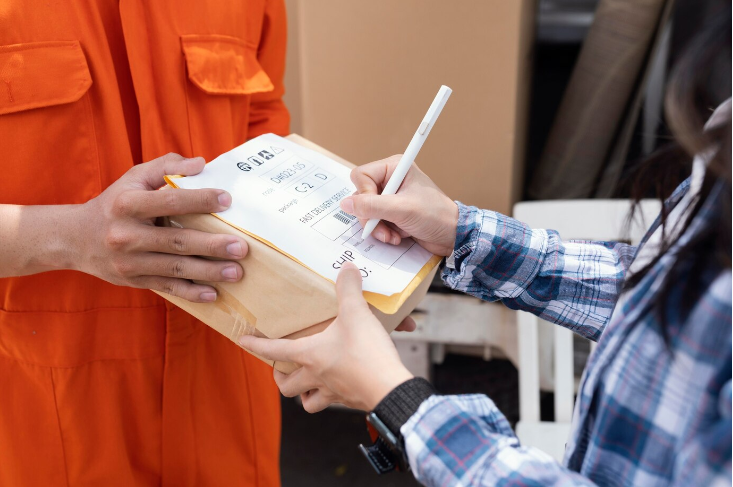
Some problems are common enough that you should plan for them.
Problem 1: Shipping Cost Is Higher Than the Campaign Estimate
Why it happens:
Final product is heavier.Packaging is larger.
More backers choose expensive destinations.
Add-ons create bigger bundles.
Fuel or carrier surcharges change.
Duties or taxes were not included.
Solution:
Use real packed samples, zone-based quotes, shipping estimates, and a buffer. If possible, charge shipping later through pledge manager when final data is clearer.
Problem 2: Backers Do Not Complete Surveys
Why it happens:
Emails go to spam.Backers missed the update.
Backers are waiting to move.
The pledge manager is confusing.
Solution:
Send several reminders. Use clear deadlines. Keep a list of non-responders. Do not let 5% of missing surveys hold up 95% of ready orders.
Problem 3: Customs Holds Parcels
Why it happens:
Vague product descriptions.Wrong HS codes.
Missing phone numbers.
Declared value mismatch.
Battery or restricted item review.
Duty payment confusion.
Solution:
Prepare customs data before labels, confirm DDP or DAP/DDU setup, and make sure values match the backer transaction.
Problem 4: Product Arrives Damaged
Why it happens:
Retail box was treated as shipping carton.No corner protection.
Too much empty space.
Carton is too weak.
Fragile items were not tested.
Solution:
Run packing trials, use appropriate protective materials, and test the worst-case bundle.
Problem 5: Backers Are Surprised by Duties
Why it happens:
Campaign page said "shipping included" but did not explain import charges.DAP/DDU was used without clear wording.
EU, US, or UK rules changed after planning.
Solution:
Explain duties and taxes in reward descriptions, FAQ, campaign story, and updates. Use DDP where feasible for better backer experience.
For more prevention ideas, see this guide on how to avoid crowdfunding fulfillment delays.
The First-Time Creator's Final Shipping Checklist
Here is the condensed version. Use it before launch, before survey lock, and before fulfillment.
Before Launch
Confirm final reward items and variants.Estimate packed weight and dimensions.
Create shipping zones.
Decide which countries to support.
Get fulfillment quotes by zone and bundle.
Choose self-fulfillment, 3PL, China direct, or hybrid.
Decide whether to charge shipping now or later.
Explain duties, taxes, and import fees.
Add a timeline buffer.
Include shipping in the funding goal.
Before Production
Confirm SKU list.Confirm packaging design.
Confirm carton strength.
Confirm compliance requirements.
Confirm HS codes and country of origin.
Confirm battery or restricted goods status.
Confirm QC checklist.
Confirm replacement stock quantity.
Before Survey Lock
Collect address, phone, and email.Collect reward choices and add-ons.
Validate unsupported countries.
Remind backers of address lock date.
Remove unpaid or incomplete orders.
Confirm shipping methods by zone.
Export clean order data.
Before Warehouse Fulfillment
Send SKU photos and packing rules.Send customs data.
Send insert and labeling instructions.
Confirm receiving report.
Check inventory count.
Test pack common bundles.
Confirm carrier routes.
Confirm tracking email flow.
Confirm exception handling.
After Shipping Starts
Share shipping wave updates.Monitor tracking gaps.
Reply to duty and delivery questions.
Track failed deliveries.
Hold replacement stock.
Record lost, damaged, returned, and reshipped parcels.
Close the campaign with a final fulfillment report.
Example: A Small Gadget Campaign Made in Shenzhen
Let's make this real.
A first-time creator launches a compact desk gadget. It is manufactured in Shenzhen. The campaign has 2,800 backers in 38 countries. The reward includes the gadget, a cable, an instruction card, and two optional add-ons.
The creator's first idea is simple:
"Ship everything to the US, then send worldwide."
That might work, but it creates extra steps:
US import.
US warehouse receiving.
US domestic and international parcel shipping.
International backers may still face customs charges.
A better review might show:
EU and UK backers are 30%.
Canada, Australia, and Asia are 20%.
Rest of world is 5%.
Now the creator has options:
Use China direct fulfillment for Asia, Australia, Canada, and long-tail countries.
Use a special EU/UK route with clear duty handling.
Keep spare parts in China for replacements.
That is not more complicated for fun. It is more controlled.
It is like cooking for a crowd. You do not make every dish in one tiny pan just because that pan is familiar. You choose the setup that can actually serve everyone while the food is still warm. Slightly clumsy metaphor, but you get it.
How to Choose a Crowdfunding Fulfillment Partner
A good fulfillment partner should make the campaign simpler, not more mysterious.
Ask these questions before you choose one:
Can you receive inventory directly from Chinese factories?
Can you manage multiple SKUs, add-ons, and bundles?
Can you support DDP and DAP/DDU routes?
Which countries do you ship to most often?
How do you quote shipping by zone?
Can you validate addresses?
How do you handle missing phone numbers or bad postal codes?
Can you do kitting, labeling, inserts, and custom packaging?
How do you report inventory and shipped orders?
How do you handle lost, damaged, or returned parcels?
What happens if the campaign ships in waves?
Can we test a small batch first?
If the answer to everything is "no problem," ask for examples. Logistics has many problems. A good partner knows them and explains the process calmly.
For Indiegogo-specific issues, this article on Indiegogo fulfillment from China is a useful next read.
Final Takeaway: Shipping Is Part of the Product
Backers remember the product. They also remember how it arrived.
A late but well-explained shipment can still protect trust. A surprise duty bill, broken reward, missing add-on, or silent delay can damage the whole campaign, even if the product itself is good.
So treat shipping like part of product design.
Design the reward.
Design the package.
Design the survey.
Design the customs data.
Design the delivery promise.
Design the support plan.
That is the real crowdfunding shipping checklist. Not just "find carrier." More like "build a little delivery machine before thousands of backers are waiting for it."
If your rewards are made in China and you want help planning the warehouse, packing, and global dispatch side, you can review SendFromChina's crowdfunding fulfillment service or contact the team through the custom quote page.
FAQs: Crowdfunding Shipping Checklist for First-Time Creators
1. What is a crowdfunding shipping checklist?
A crowdfunding shipping checklist is a planning tool that helps creators prepare reward design, packaging, surveys, customs data, shipping zones, fulfillment partners, timelines, and backer communication before rewards are shipped.
2. When should I start planning shipping for a Kickstarter campaign?
Start before launch. You do not need every final number, but you should know your expected packed size, shipping zones, fulfillment model, tax approach, and delivery timeline before backers pledge.
3. Should first-time creators charge shipping during the campaign or later?
It depends. If the product and packaging are final, charging during the campaign can be simple. If size, add-ons, destination mix, or carrier prices are uncertain, charging later through a pledge manager may give a more accurate result.
4. How much should I budget for crowdfunding shipping?
Budget by packed weight, packed dimensions, destination zone, fulfillment labor, packaging, duties, taxes, returns, and replacements. Do not use product weight alone. Always add a buffer.
5. What is the best fulfillment option for a first-time creator?
Small domestic campaigns may use self-fulfillment. Larger or international campaigns usually need a 3PL. If rewards are made in China and backers are global, China direct fulfillment or hybrid fulfillment may be more efficient.
6. Can I ship Kickstarter rewards directly from China?
Yes, many creators do this when rewards are manufactured in China. The key is to use clean order data, correct customs documents, suitable packaging, and a fulfillment partner that understands crowdfunding waves.
7. What shipping information should I collect from backers?
Collect full name, address, country, postal code, phone number, email, reward choices, add-ons, and any size, color, language, or version details needed for packing.
8. Why do crowdfunding rewards get delayed?
Common reasons include production delays, failed QC, late surveys, address problems, missing customs data, bad packaging, customs holds, carrier backlogs, and unclear shipping waves.
9. What is DDP shipping for crowdfunding rewards?
DDP means Delivered Duty Paid. The creator or shipping partner handles import duties and taxes upfront, so the backer usually does not receive a surprise bill at delivery.
10. What is DDU or DAP shipping for crowdfunding rewards?
DDU or DAP means the backer may need to pay import duties, VAT, brokerage, or handling fees when the parcel arrives. If you use this model, explain it clearly before backers pledge.
11. Do backers have to pay customs fees?
Sometimes, yes. It depends on the destination country, declared value, product type, shipping terms, and whether duties and taxes were prepaid. Creators should explain this clearly on the campaign page and in updates.
12. How do I avoid damaged rewards?
Use final packed samples, choose packaging by product risk, test common bundles, avoid empty space, protect corners and fragile areas, and keep spare stock for replacements.
13. Should I ship all rewards at once?
Not always. Shipping in waves can make sense when products, regions, or add-ons are ready at different times. Just explain the wave plan before backers start comparing tracking numbers.
14. What should I ask a crowdfunding fulfillment company?
Ask about campaign experience, supported countries, DDP and DAP/DDU options, SKU handling, kitting, packaging, address validation, tracking, returns, damaged parcels, reporting, and test batch options.
15. How can I keep backers calm during fulfillment?
Give clear milestone updates, explain delays early, share address lock dates, provide tracking, describe shipping waves, and avoid vague phrases like "logistics issues" when you can give a real reason.
 Post Views:1420
 TAGS:
TAGS:
Copyright statement: The copyright of this article belongs to the original author. Please indicate the source for reprinting.
Previous Post
10 China Fulfillment Services for Ecommerce Brands in 2026: Compared by Fit
Next Post
TAGS
Hot Research
Get Custom eCommerce Fulfillment Service
Book a Meeting
Get a Custom China Fulfillment Solution with FREE Storage for 30 Days
Want to know about our services, fees or receive a custom quote?
 Want to know about our services, fees or receive a custom quote?
Please fill out the form on the right and we will get back to you within a business day.
The more information you provide, the better our initial response will be.