




Table of Contents
Get Custom eCommerce Fulfillment Service
Book a Meeting
Why Quality Control in China Matters and How 3PL Services Help
Time: Dec 17,2025 Author: SFC Source: www.sendfromchina.com
China’s manufacturing engine powers global business, producing everything from everyday consumer goods to highly specialized industrial components. For brands, retailers, and e-commerce sellers around the world, sourcing products from China can unlock tremendous cost advantages, innovation, and speed to market. But there’s a catch: without vigilant quality control, those benefits can be quickly undermined by defective products, compliance failures, shipping mistakes, and costly returns.
In this article, we’ll explore why quality control in China matters, how it intersects with supply chain success, and the unique role that third-party logistics (3PL) services like SendFromChina play in enforcing high quality standards across manufacturing and delivery. Drawing on multi-source industry insights and real-world experience, this post is crafted to help international businesses understand and mitigate quality risks while optimizing their logistics strategies.
1. Why Quality Control Is Critical When Sourcing from China
China’s Manufacturing Landscape Is Vast and Varied
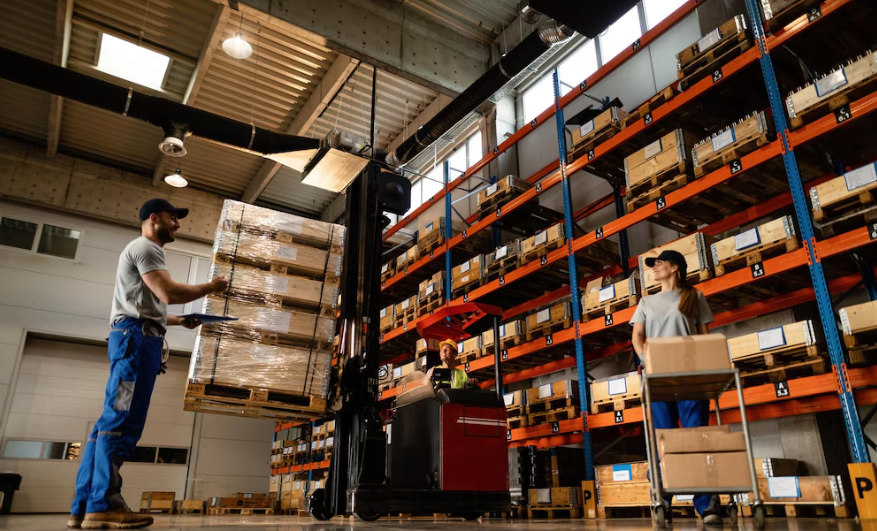
China is home to thousands of factories spread across regions like Guangdong, Zhejiang, and Jiangsu. These manufacturers range from highly sophisticated facilities producing precision electronics to smaller workshops making textiles or consumer items.
This diversity is part of China’s strength, but it also means variability in quality standards—sometimes even within the same product category. Without a robust quality control process, brands may receive shipments that don’t meet specifications, show defects, or fail regulatory tests.
Distance and Communication Barriers Complicate Quality Expectations
Imagine managing production from thousands of miles away, across time zones and languages. Miscommunication about product specifications—down to dimensions, materials, labeling, or packaging—can lead to mistakes that are difficult and expensive to fix once products leave the factory. Third-party inspection studies underline this common challenge: language and cultural barriers often contribute to quality misunderstandings.
Compliance and Market Regulations Are Non-Negotiable
Many global markets enforce strict safety and quality standards. A toy product failing a European safety standard could trigger recalls, fines, and severe brand damage. A cosmetic line without proper certification could be blocked at customs.
These risks aren’t hypothetical—global quality-control experts report that even seemingly “minor” oversights in production specifications can result in costly regulatory non-compliance.
Cost of Poor Quality: More Than Just Monetary Loss
The fallout from poor quality isn’t limited to replaced parts or reworked batches. It includes:
Increased returns and refunds
Lower customer satisfaction
Damage to brand reputation
Litigation and legal fees in extreme cases
In fact, statistics show that some proportion of manufactured items fail basic quality expectations without rigorous oversight—a situation that’s nearly impossible to reverse after shipping.
2. Traditional Quality Control Challenges for Companies Sourcing From China
In-House QC Teams Are Costly and Hard to Scale
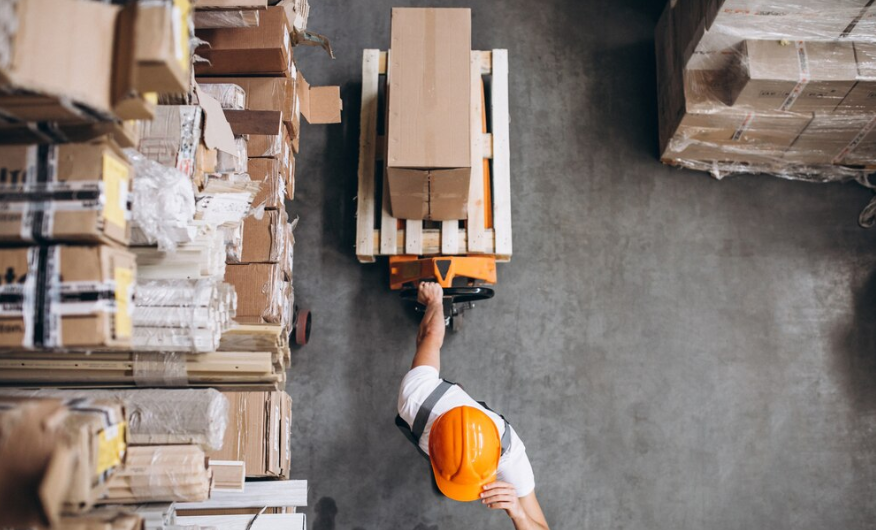
Some companies attempt to build their own quality-control teams. While this gives them direct oversight, it also entails ongoing costs: salaries, travel budgets, training programs, and management oversight. During peak seasons, staffing and travel logistics can become overwhelming.
Managing an in-house team across multiple suppliers and sites demands a high degree of coordination—and without local experience, results can be inconsistent.
Supplier Self-Reporting Is Often Insufficient
Relying on the manufacturer’s in-house inspection or self-certification exposes brands to risk. Many factories may understate defect rates or interpret quality standards differently unless a neutral party verifies compliance. Studies from quality inspection professionals highlight how supplier self-reporting often fails to capture hidden defects.
Quality Fade: The Gradual Slip in Standards
Over time, even established suppliers can drift away from originally agreed standards—a phenomenon sometimes called quality fade. This occurs when material substitutions, reduced oversight, or production shortcuts happen without the buyer’s awareness. Third-party QC services are crucial in mitigating these slips.
3. The Role of Third-Party Quality Control Services in China
What Is Third-Party Quality Control (QC)?
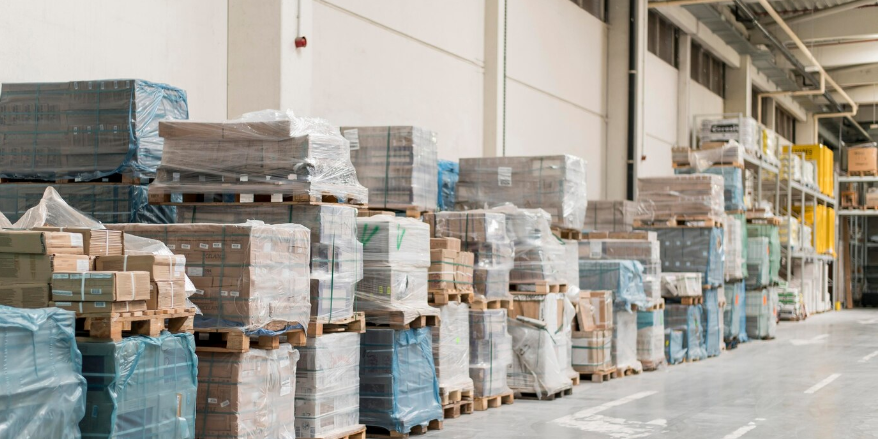
Third-party QC refers to inspections conducted by independent experts unaffiliated with the manufacturer or the buyer. Their job is to evaluate products, production processes, and factory conditions based on pre-defined criteria.
These inspections typically occur in four main stages:
Initial Production Check (IPC): Verifies raw materials and factory setup before mass production begins.
During Production Inspection (DUPRO): Catches early-stage defects while goods are still in process.
Final Random Inspection (FRI): Assesses finished goods before shipment.
Container Loading Supervision (CLS): Ensures proper loading, labeling, and packaging.
Why Third-Party QC Is So Valuable
A trusted QC provider gives you several advantages:
Unbiased and Transparent Inspections
Because third-party inspectors have no stake in production outcomes, their evaluations tend to be impartial and detailed. Today's QC services provide photos, defect counts, measurements, and documented findings that help buyers make informed decisions before products leave China.
Early Detection and Damage Avoidance
Catching quality issues early in the production cycle means fewer costly reworks, reduced waste, and fewer defective products shipped to customers. Advanced inspections often find issues that would otherwise remain hidden until it’s too late.
Supplier Accountability and Process Improvement
Regular third-party inspections encourage suppliers to maintain higher standards, knowing their work will be independently verified. This pressure often improves production discipline and enhances long-term supplier performance.
Risk Mitigation and Compliance Assurance
By ensuring products meet both contract terms and regulatory requirements, third-party QC helps reduce the risk of non-compliance, fines, and border rejections—especially critical for regulated categories like electronics, toys, and medical goods.
Cost Efficiency
While QC services have fees, they are typically far less expensive than the cumulative costs of returned goods, re-shipping, customer refunds, and reputation loss. Third-party QC also eliminates many overhead costs associated with in-house teams.
4. Bridging QC With Logistics: The Strategic Edge of 3PL Services
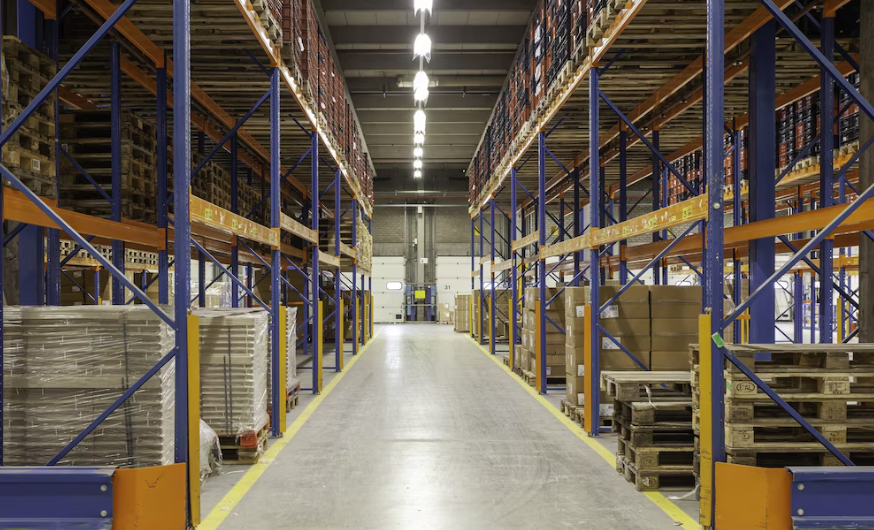
Third-party logistics (3PL) services do more than move goods from point A to B. They bridge production quality assurance with supply-chain execution, providing a holistic approach to product control and delivery. Here’s how:
Seamless Integration Between QC and Logistics
A 3PL provider embedded in China’s supply chain can coordinate quality inspections before goods ever reach your logistics pipeline. This prevents unnecessary shipping of defective goods, saving time and freight costs.
Coordination With QC Providers and Factories
SendFromChina and similar 3PL partners regularly work with quality control providers, ensuring inspections are scheduled, conducted, and effectively communicated back to you. This seamless coordination helps avoid misalignment between production and logistics scheduling.
Centralized Reporting and Issue Resolution
When QC reports indicate issues, a 3PL partner can help manage corrective actions—whether it’s reworking defective items, coordinating replacements, or negotiating with the factory on your behalf. This proactive approach streamlines resolution and reduces turnaround times.
Compliance and Documentation Support
A professional 3PL supports regulatory compliance—handling certifications, documentation, and inspection follow-ups—so your shipments clear customs smoothly and meet destination country standards.
Full Supply Chain Visibility
3PL platforms often offer digital dashboards with shipment tracking, inspection reports, and real-time updates, giving you full transparency over both product quality and delivery progress.
5. How SendFromChina’s 3PL Services Elevate Quality Control
As a China-based 3PL provider, SendFromChina offers unique strengths that directly support quality control and supply-chain excellence:
Proximity to Manufacturing Hubs
Being physically located near major manufacturing regions allows SendFromChina to coordinate inspections, monitor production schedules, and respond quickly to quality issues.
End-to-End Coordination
SendFromChina bridges procurement, QC oversight, warehousing, and global shipping, offering end-to-end visibility that many foreign buyers lack when they handle QC and logistics separately.
Enhanced Customs and Compliance Know-How
China’s regulatory landscape is nuanced—especially for cross-border trade. SendFromChina’s expertise in local customs protocols and export requirements minimizes the risk of inspection failures at the border.
Flexible Client Solutions
Whether you need pre-shipment inspection coordination, warehousing QC checks, or post-shipment returns assistance, SendFromChina crafts solutions tailored to brand needs and product categories.
*This blend of logistical expertise and quality coordination helps deliver better products, fewer headaches, and more predictable outcomes.6. Best Practices for Integrating QC and 3PL Strategies
To maximize the impact of quality control in China and your 3PL partnership, consider these best practices:
Standardize Your Quality Requirements
Write detailed specifications that include:
Material tolerances
Critical dimensions
Packaging requirements
Compliance standards
These—and agreed sampling criteria—form the basis for any inspection.
Schedule Inspections at Multiple Stages
Don’t wait until production is done. Early-stage inspections catch problems before they cascade, saving time and cost.
Use Clear Communication Protocols
Leverage WhatsApp, email, and project management tools to maintain clarity with suppliers and QC teams. Visual aids like diagrams or videos can help overcome language nuances.
Align QC Results With Logistics
Ensure your QC provider and 3PL partner share inspection results and shipping plans. This avoids sending goods before issues are addressed.
Treat QC as an Investment, Not an Expense
High quality drives trust, repeat business, and brand reputation. The costs of thorough inspection and logistics integration are small compared to potential losses from product failures.
7. Conclusion
Quality control isn’t an optional add-on when sourcing from China—it’s a strategic imperative. With the complexity of China’s manufacturing landscape, the stakes of quality failures are high: regulatory non-compliance, customer dissatisfaction, and financial loss. Integrating quality control with logistics through a trusted 3PL partner like SendFromChina gives businesses the clarity, coordination, and confidence they need to succeed in global markets.
Whether conducting early-stage inspections, supervising factory loading, or managing shipments across borders, quality control is a cornerstone of supply-chain success. It protects your brand, your customers, and your bottom line. And when quality control is woven into your 3PL strategy, you gain operational efficiency, risk mitigation, and scalability for growth.
8. Frequently Asked Questions (FAQs)
What does “quality control” mean in China sourcing?
Quality control refers to structured checks and inspections that ensure products meet the buyer’s standards, specifications, and regulatory requirements before shipment.
Why do I need a third-party QC service rather than relying on the supplier?
Third-party QC services provide unbiased evaluations that uncover issues suppliers might overlook or underreport.
How often should inspections be done during production?
Inspections are typically done at key phases: pre-production check, during production, and final inspection before shipment.
Can a 3PL help resolve issues found during QC inspections?
Yes. A 3PL like SendFromChina can coordinate corrective actions, reworks, and logistics adjustments based on inspection results.
Are QC services expensive?
While there’s a cost associated with QC services, they usually cost far less than the financial impact of shipping faulty or non-compliant products.
 Post Views:1890
 TAGS:
TAGS:
Copyright statement: The copyright of this article belongs to the original author. Please indicate the source for reprinting.
Previous Post
How to Prepare Your Inventory for Peak Season: Tips for Ecommerce Sellers
Next Post
TAGS
Hot Research
Get Custom eCommerce Fulfillment Service
Book a Meeting
Get a Custom China Fulfillment Solution with FREE Storage for 30 Days
Want to know about our services, fees or receive a custom quote?
 Want to know about our services, fees or receive a custom quote?
Please fill out the form on the right and we will get back to you within a business day.
The more information you provide, the better our initial response will be.