




Table of Contents
Get Custom eCommerce Fulfillment Service
Book a Meeting
UPS vs. DHL: What's the Difference?
Time: Feb 27,2026 Author: SFC Source: www.sendfromchina.com
In the world of global logistics, choice matters. Whether you’re running an online store, managing supply chains, or sending parcels around the world, understanding the differences between major carriers can make a tangible impact on cost, delivery times, and customer satisfaction.

Two of the most widely recognized names in international shipping are United Parcel Service (UPS) and DHL Express. Both brands anchor the backbone of global commerce — yet they serve different strengths, markets, and business needs. If you’re deciding between UPS and DHL for your next shipment, this comparison will help clarify the choices.
1. Overview: Who Are UPS and DHL?

UPS (United Parcel Service)
Founded in the United States in 1907, UPS began as a messenger service and evolved into one of the world’s largest logistics operators. Today it operates a vast ground and air network that spans over 220 countries and territories, with unparalleled dominance in North American shipping and supply-chain services. UPS ships tens of millions of packages daily and is often the go-to provider for businesses with domestic or cross-border needs centered around the Americas.
DHL Express
DHL emerged in 1969, with a pioneering focus on international express deliveries, especially cross-border consignments. Owned by Deutsche Post DHL Group and headquartered in Germany, DHL made its mark by connecting markets that were once difficult to reach. Today, its network covers 220+ countries and territories, with particularly deep penetration in Europe, Asia-Pacific, the Middle East, and Africa.
So right from their origins, UPS and DHL were built around different priorities: UPS around broad logistics, domestic strength, and integrated supply chain services; DHL around global express, cross-border speed, and international reach. Understanding how these priorities play out in practice clarifies which service fits your shipping needs.
2. Service Strengths: What Each Carrier Does Best

Let’s break down how UPS and DHL compare across key shipping dimensions.
Network Coverage & Market Focus
UPS excels in North America with an expansive ground and air network that supports quick domestic deliveries, logistics solutions, and freight services.
DHL shines as a global specialist, particularly for shipments outside North America, with strong presence in Europe, Asia, Middle East, and emerging markets. Its international infrastructure is purpose-built for cross-border movement.
In simple terms: If your volume is predominantly domestic (especially in the USA), UPS’s network might serve you better. But if your shop or business ship internationally or across continents, DHL’s focus gives it an edge.
Delivery Speed & Reliability
International Deliveries: DHL typically delivers international express shipments faster — often in 1-3 business days, outperforming UPS’s 2-5 day international express timelines.
Domestic Deliveries: UPS generally has more frequent service options within the United States and a high on-time delivery rate thanks to its dense ground network.
A faster network doesn’t automatically guarantee the lowest cost, but speed often correlates with premium service levels — and DHL’s international delivery reach is especially attractive for time-sensitive shipments.
Pricing & Cost Structure
Shipping costs depend on distance, weight, dimensions, delivery speed, and fuel or seasonal surcharges.
UPS tends to be more competitive for domestic and heavier shipments, especially within the U.S.
DHL often offers competitive international rates and can be more efficient for cross-border parcels — but rates can vary widely depending on destination and package specifications.
It’s important to note that both carriers adjust rates regularly, and surcharges (e.g., dimensional weight changes or peak season fees) can add substantially to the final price.
Customs Clearance & Documentation
International shipments must clear customs and comply with local regulatory requirements.
DHL is frequently lauded for its customized approach, with specialists handling documentation and regulatory nuances — especially helpful when shipping to multiple countries or complex trade lanes.
UPS uses standardized processes that emphasize speed and predictability but may not offer the same level of bespoke support as DHL in every market.
If your business ships across borders frequently or deals with intricate customs paperwork, this distinction can influence service quality and delivery predictability.
Technology & Tracking
Both carriers invest heavily in shipping technology, but each approaches it differently.
UPS provides robust domestic and international tracking, enhanced with predictive analytics and customer-focused tools like UPS My Choice, which lets recipients customize deliveries.
DHL brings strong tracking for international shipments, offering features like On Demand Delivery and detailed visibility across border transitions.
Which tracking tool feels better often depends on your market and typical shipment types.
Customer Service & Support
Reliable support can make or break a shipping experience.
UPS has extensive customer support infrastructure, including phone, chat, and a widespread retail presence, especially in North America.
DHL delivers solid support, especially for international inquiries, but in some regions may have fewer physical touchpoints than UPS.
Customer support matters most when things go wrong, so businesses shipping high volumes often weigh this factor heavily.
3. UPS vs DHL: Real-World Use Cases
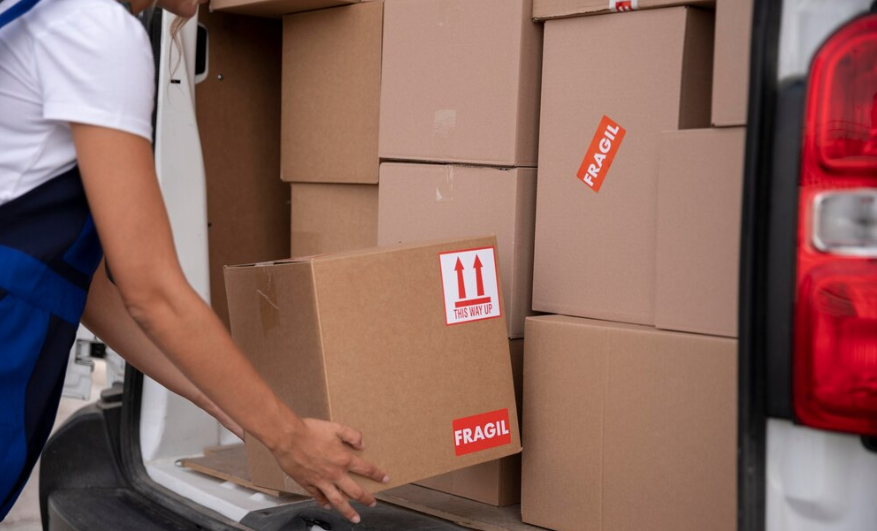
Let’s translate the comparison into practical decisions:
E-Commerce Retailer — Domestic USA Focus
Best choice: UPS
Why: Extensive domestic ground network, competitive rates for heavy parcels, and strong customer service support.
Cross-Border Online Store
Best choice: DHL
Why: Faster international delivery, specialized customs handling, and comprehensive global network coverage.
Global Supply Chain Logistics
Best choice: Combination
Why: Many enterprises strategically use UPS for domestic and regional moves while tapping DHL for international express, emerging markets, or specialized services.
Choosing carriers strategically — rather than relying exclusively on one — often results in cost and service optimization.
4. Summary: UPS vs DHL at a Glance
| Feature | UPS Strength | DHL Strength |
| Domestic delivery (USA) | Extensive ground infrastructure | Limited |
| International express | Reliable | Faster, wider network |
| Customs expertise | Standardized processes | Tailored documentation support |
| Tracking tools | Predictive, advanced | Global visibility |
| Customer support | Widespread | Strong internationally |
| Pricing | Competitive for heavier or domestic | Competitive for international |
5. Final Thoughts
UPS and DHL are both giants in logistics — but they aren’t interchangeable. UPS offers a powerful solution for domestic and regionally focused businesses, with reliability and service depth that appeal to companies shipping within North America or across established trade lanes. DHL, on the other hand, stands out when international speed, customs expertise, and global penetration are top priorities.
In many cases, savvy businesses leverage both carriers depending on shipment type, destination, and service level — using UPS for cost-effective domestic or nearshore routes and DHL for fast, global express delivery.
Understanding these differences empowers you to make smarter logistics decisions — ultimately improving customer experiences and lowering shipping costs.
6. Short Conclusion
UPS and DHL remain two of the most respected names in shipping, but they excel in different areas. UPS’s strength lies in domestic delivery and comprehensive logistics services, while DHL leads in international express and cross-border expertise. Choosing the right carrier — or combining both — depends on your shipment patterns, cost priorities, and geographic focus.
7. Frequently Asked Questions (FAQs)
Is DHL cheaper than UPS?
Not always. DHL can be more affordable for certain international routes, but overall rates vary by destination, weight, and service type.
Which is faster for global deliveries?
DHL typically offers faster international express transit, especially outside North America.
Can UPS deliver to the same countries as DHL?
Yes — both serve 220+ countries and territories worldwide.
Which carrier has better tracking?
Both provide strong tracking, but UPS often emphasizes domestic predictive tools, while DHL focuses on international visibility.
Should my business use both carriers?
In many cases, yes — optimizing carriers based on shipment type, destination, and cost creates better logistics outcomes.
 Post Views:2990
 TAGS:
TAGS:
Copyright statement: The copyright of this article belongs to the original author. Please indicate the source for reprinting.
Previous Post
FedEx vs. USPS: Best Shipping Choices for Domestic & International Parcels
Next Post
TAGS
Hot Research
Get Custom eCommerce Fulfillment Service
Book a Meeting
Get a Custom China Fulfillment Solution with FREE Storage for 30 Days
Want to know about our services, fees or receive a custom quote?
 Want to know about our services, fees or receive a custom quote?
Please fill out the form on the right and we will get back to you within a business day.
The more information you provide, the better our initial response will be.