International shipping isn’t simply about moving goods from point A to point B. It’s about
At
SendFromChina — a trusted
third-party logistics (3PL) partner based in China — we see packaging not as a cost center, but as a
vital investment in cargo safety, efficiency, and customer satisfaction. This in-depth guide will walk you through how to choose the
best packaging for
international shipping — backed by industry standards, practical best practices, and multi-source data aimed at logistics professionals and export businesses alike.
1. Why Packaging Matters in International Shipping
Global shipments undergo intense handling and are exposed to multiple risks: vibration, impact, humidity, temperature changes, customs inspections, carrier transitions, and long transit times. The right packaging mitigates all of these. Robust packaging not only reduces damage and loss but also:
Improves delivery reliability
Enhances customs compliance
Reduces insurance claims and related costs
Supports sustainability and customer satisfaction
Packaging isn’t just about protection; it’s about predictability in a complex system.
2. Step 1 — Know Your Cargo Inside & Out
Before selecting any packaging, assess your product on core attributes:
Fragility
Is the product breakable (glass, ceramics, electronics)? Fragile items require layered internal cushioning such as bubble wrap, foam inserts, or inflatable pillows to absorb shocks.
Weight & Size
Heavier or oversized items typically need reinforced boxes or wooden crates and often benefit from palletization for safe handling.
Sensitivity to Environment
Products sensitive to moisture, heat, cold, or humidity may require barrier packaging, insulation, desiccants, or climate-controlled solutions.
Hazardous or Special Items
Dangerous goods — like lithium batteries — are subject to strict international packaging standards and labeling requirements under IATA, IMDG, and other regulations.
Tip: If a product is both fragile and sensitive (e.g., electronics), it’s worth involving packaging engineers early in the planning process.
3. Step 2 — Understand the Packaging Hierarchy
International shipments are usually packed in at least two layers:
Primary/Outer Packaging
This is the box or container that houses the product. Options include:
Corrugated cardboard boxes – Lightweight and versatile for most goods.
Double/triple-walled boxes – For heavier, bulkier goods needing extra strength.
Wooden crates or pallets – For heavy machinery and oversized cargo.
Plastic containers – Water-resistant for moisture-sensitive goods.
Secondary/Internal Packaging
This protects the product inside the outer container. Key materials include:
Bubble wrap – Air-filled cushioning for fragile items.
Foam inserts – Precision-fit protection for delicate or oddly shaped goods.
Packing peanuts / air pillows – Fills voids and prevents shifting.
The principle: support the item firmly while minimizing movement.
4. Step 3 — Balance Protection with Weight & Cost
Best Practice:
Choose a box just big enough to allow for protective materials (usually ~2–3 inches of space around the product).
Avoid overpacking, which can weaken box integrity and raise cost.
5. Step 4 — Compliance Is Non-Negotiable
Different countries and carriers have regulations for packaging materials:
Wood Packaging & ISPM 15
Any wooden crates, pallets, or dunnage must comply with ISPM 15, meaning they must be treated (heat-treated or fumigated) and stamped with the official mark to prevent pest spread.
Hazardous Goods
If shipping dangerous items, packaging must meet UN and IATA/IMDG standards.
Labeling Requirements
Labels like “Fragile,” “This Side Up,” and hazardous item marks must be clear and placed appropriately, or customs delays may occur.
6. Step 5 — Sustainability Matters (and Sells)
Global buyers increasingly demand eco-friendly packaging. Choosing recyclable or biodegradable materials can:
Reduce environmental impact
Improve brand perception
Align with EU and other markets’ recycling laws
Materials like recycled cardboard, kraft paper, and biodegradable void fill can be excellent alternatives when appropriate.
7. Step 6 — Sealing & Documentation
Seal for Security
Use the H-taping method — tape the center seam and both edges — to secure boxes and distribute stress.
Documentation
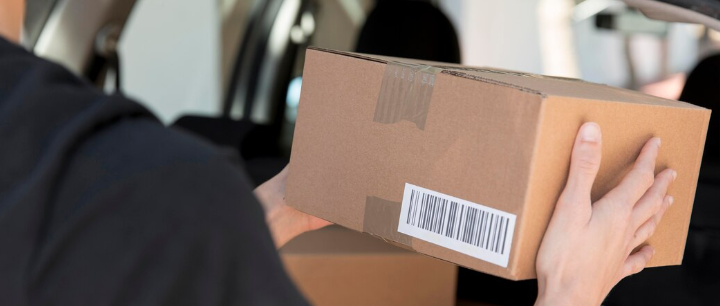
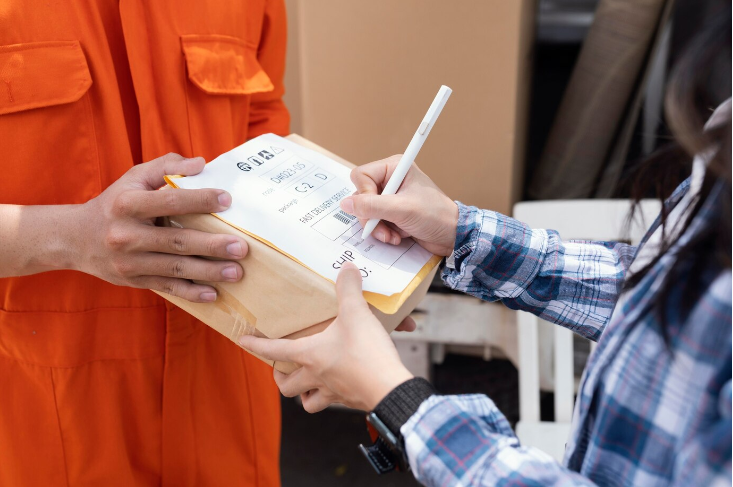
Attach commercial invoices, waybills, and customs paperwork where they’re easily visible. Inaccurate or missing documents can delay clearance.
8. Step 7 — Special Considerations by Mode of Transport
Air Freight Packaging
Air shipping moves faster but demands stricter packaging due to handling and pressure changes. Packaging must be:
Rigid
Well sealed
Clearly labeled
Able to withstand multiple handling steps without failure
Sea Freight Packaging
Sea routes expose goods to humidity and salt air. Consider:
Waterproofing
Anti-corrosion materials
Secure palletization to withstand stacking pressure and waves
9. Best Practices Checklist
Before sealing any international package, confirm:
The packaging is appropriate to the product’s
weight and fragility Materials meet
destination and carrier regulations Void space is properly filled The package is sealed with quality tape using H-taping Labels and customs documentation are accurate and visible Sustainability considerations align with your brand and destination rules.
10. Common Packaging Mistakes to Avoid
Even experienced shippers err. The top pitfalls include:
Reusing weakened or unsuitable boxes Insufficient internal cushioning Poor labeling and documentation Overpacking or using oversized boxes Failing to comply with country-specific requirements Ignoring environmental factors like humidity or temperature
The result? Damage, delays, penalties, and unhappy customers.
11. Final Thoughts: Plan Packaging Like You Plan Your Route
Packaging for international shipping may seem straightforward, but it’s a strategic choice that impacts cost, safety, compliance, and customer satisfaction. The best packaging is:
Strong but not excessive
Compliant with global standards
Tailored to the product and destination
Efficient in cost and space
Prepared for environmental stress
At
SendFromChina, we help businesses design packaging strategies that meet these criteria — turning logistics challenges into competitive advantages.
12. Frequently Asked Questions
What is the single most important factor in choosing packaging?
Choose packaging based primarily on product fragility and transit conditions to minimize in-transit damage.
Do wooden pallets need special treatment?
Yes, wood must be ISPM 15 certified and marked for international shipments.
How much void fill should I use?
Fill all empty spaces so the product doesn’t shift, but avoid overpacking that strains the box.
Are eco-friendly materials effective?
Yes — recyclable and biodegradable materials can provide excellent protection while supporting sustainability goals.
Can poor packaging delay customs clearance?
Absolutely — incorrect packaging, labeling, or missing marks can lead to inspections or delays.








 Post Views:2934
 TAGS:
TAGS:
 Want to know about our services, fees or receive a custom quote?