Global supply chains have learned to live with disruption. First came the pandemic. Then port congestion. Then inflation, labor shortages, sanctions, and rerouted shipping lanes. In 2026, another pressure point is back at center stage: geopolitical conflict pushing oil prices higher.
When oil rises sharply, it does not stay in the energy sector. It spreads through transportation, warehousing, manufacturing, packaging, procurement, and consumer demand. For cross-border sellers, importers, and eCommerce brands, oil is not just a commodity—it is embedded in nearly every landed cost.
Recent international reports suggest energy markets remain vulnerable due to conflict-linked disruptions around major shipping corridors and production regions. The IMF has warned that prolonged instability can lead to higher prices, slower growth, and tighter trade conditions.
For businesses shipping goods globally in 2026, this means one thing: supply chain strategy must become more resilient, faster, and more cost-aware.
Why Oil Prices Matter So Much to Supply Chains
Oil affects supply chains in both direct and indirect ways.
Directly, it influences:
Ocean freight bunker fuel costs
Air cargo fuel surcharges
Rail freight energy costs
Packaging materials derived from petrochemicals
Indirectly, it affects:
Factory operating costs
Inflation and consumer purchasing behavior
Currency volatility
Inventory financing costs
Supplier pricing pressure
When crude climbs from $70 to $95 or $100 per barrel, businesses rarely feel it in one line item only. They feel it everywhere.
Recent market reports noted Brent crude approaching the mid-$90 range amid disruptions tied to Middle East tensions and shipping uncertainty.
The Main Geopolitical Risks Driving Oil Higher in 2026
Strait of Hormuz Tensions
The Strait of Hormuz remains one of the world’s most important energy chokepoints. A significant share of global oil and LNG flows through it. Any disruption immediately affects price expectations.
The IMF recently described reduced traffic and regional damage as a major shock to global energy flows.
For supply chains, even temporary disruptions can create weeks of ripple effects.
Red Sea and Suez Corridor Instability
While oil itself may come from elsewhere, container shipping routes matter just as much. If vessels avoid the Red Sea or Suez Canal, they reroute around the Cape of Good Hope, adding transit time, fuel burn, and schedule unreliability.
Longer voyages mean fewer vessel rotations and higher freight rates.
Sanctions and Export Restrictions
Conflict often leads to sanctions, insurance restrictions, financial controls, and compliance burdens. That can reduce available supply or complicate payment and procurement cycles.
Speculative Market Reactions
Sometimes prices rise not only because supply falls, but because markets anticipate shortages. This volatility creates planning headaches for logistics teams trying to quote freight or forecast landed cost.
How Higher Oil Prices Will Affect Cross-Border Supply Chains in 2026
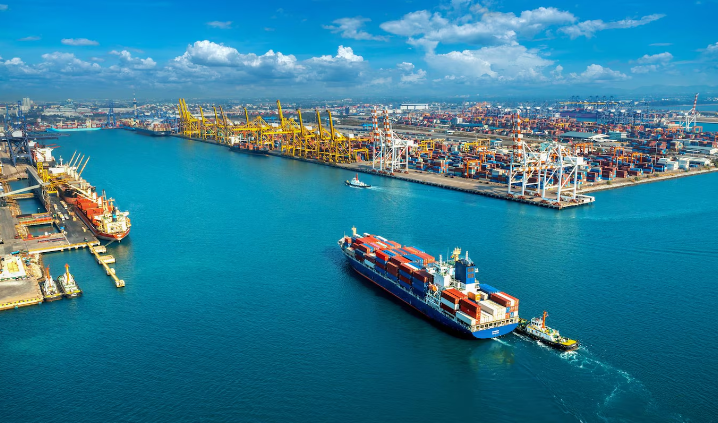
Ocean Freight Costs Will Rise Again
Ocean carriers may reintroduce or increase:
Bunker adjustment factors
Emergency surcharges
Congestion fees
Route deviation surcharges
Even if base freight rates remain competitive, fuel-related extras can quietly increase total shipping cost.
Importers who focus only on headline container rates may underestimate real spend.
Air Freight Will Become More Expensive
Air cargo reacts quickly to fuel spikes. Fuel surcharges often move faster than ocean freight pricing.
This matters for:
Urgent replenishment orders
Electronics
Fashion launches
Seasonal products
High-value DTC shipments
Brands relying on air freight as a backup strategy may find that backup suddenly expensive.
Last-Mile Delivery Margins Will Shrink
Once products arrive in destination countries, delivery networks still depend heavily on diesel and gasoline fleets.
That means higher costs for:
Parcel carriers
Same-day delivery
Final-mile B2C shipments
Returns logistics
For eCommerce sellers offering “
free shipping,” margins can erode quickly.
Supplier Prices Will Increase
Factories face rising costs for:
Energy use
Resin and plastics
Chemicals
Transportation of raw materials
Domestic trucking
Many suppliers absorb pressure briefly, then pass it on in new quotations.
In practice, a product cost increase may appear 30–90 days after oil rises.
Inventory Decisions Become Harder
When freight becomes volatile, businesses face a classic dilemma:
Should they ship early and hold more stock, or wait and risk higher transport costs later?
Both choices carry cost.
Holding more inventory means:
Warehousing fees
Capital tied up
Obsolescence risk
Waiting may mean:
Stockouts
Expedited shipping later
Missed sales windows
Industries Likely to Feel the Most Pressure
Some sectors are especially exposed in 2026.
eCommerce Retail
Low-margin products with high shipping ratios are vulnerable.
Consumer Electronics
Often rely on fast replenishment cycles and air freight flexibility.
Furniture and Bulky Goods
Transport cost is a larger share of unit economics.
Fashion
Seasonality punishes delays more than many categories.
Automotive Parts
Complex supplier networks and urgent replenishment needs raise risk.
What This Means for China-to-Global Shipping
China remains a major manufacturing and export hub. For businesses
sourcing from China, higher oil prices may create a double impact:
Upstream material and production costs inside Asia
Higher export freight costs to North America, Europe, and other markets
That is why logistics execution matters more than ever.
A capable
3PL partner can help reduce waste in transit planning, warehouse handling, packaging efficiency, split shipments, and carrier selection.
Smart Supply Chain Responses for 2026
Use ocean as primary mode, but build flexible options:
Ocean + rail combinations
Consolidated air for urgent SKUs
Regional fulfillment stock buffers
Do not depend on one emergency lane.
Improve Demand Forecasting
The better your forecast, the less you need panic freight.
Use:
SKU velocity analysis
Seasonal demand planning
Promotion calendars
Marketplace data signals
Build Multi-Warehouse Fulfillment
Holding all stock in one country creates vulnerability.
Distributed fulfillment can reduce final-mile cost and improve delivery speed.
Negotiate Smarter Freight Contracts
Fuel surcharge formulas
Validity periods
Volume commitments
Space guarantees
Alternative routing options
Reduce Packaging Waste
Smaller, lighter parcels reduce transport cost immediately.
Even a 5% packaging optimization across thousands of orders matters.
Use a Reliable 3PL Partner
A strong 3PL can help by:
Consolidating shipments
Lowering storage cost
Improving pick-pack efficiency
Offering multi-carrier shipping choices
Managing cross-border customs flows
Providing better visibility
For many brands, operational efficiency is easier to control than oil prices.
Why SendFromChina Can Help in 2026
For global sellers sourcing from China, agility matters more than perfect forecasts.
B2C parcel shipping
Freight forwarding support
Multi-channel fulfillment
When markets become unstable, businesses need execution speed, cost control, and flexible shipping options—not just cheap rates.
That is where an experienced China-based logistics partner can create real advantage.
Will Consumers Pay More in 2026?
Usually, yes—but not evenly.
Higher oil prices can lead to:
More shipping fees at checkout
Fewer discounts
Longer delivery windows
Smaller product bundles
Selective price increases on bulky items
Consumers may tolerate some increases, but price sensitivity remains high. That means brands must balance pricing with operational efficiency.
The Bigger Picture: Supply Chains Are Entering a New Era
The old model assumed stable fuel, predictable transit times, and linear sourcing strategies.
The new model rewards:
Redundancy
Visibility
Regional buffers
Faster decisions
Strong 3PL partnerships
Better data
In 2026, geopolitical conflict is not a temporary side issue. It is part of supply chain planning.
Companies that treat volatility as normal will outperform companies still waiting for normal to return.
Conclusion
When geopolitical conflict drives up oil prices, cross-border supply chains feel the pressure almost immediately. Freight costs rise, transit reliability weakens, supplier pricing tightens, and margins shrink.
But disruption does not have to become disaster.
Brands that improve forecasting, diversify logistics options, optimize inventory, and work with experienced partners like SendFromChina can remain competitive even in a volatile 2026 market.
FAQs
Why do oil prices affect shipping costs?
Fuel is a major cost in ocean, air, trucking, and parcel delivery.
Will freight rates rise in 2026?
If oil stays elevated and routes remain disrupted, many freight costs may stay higher.
Is air freight more sensitive than ocean freight?
Usually yes. Air cargo fuel surcharges react faster.
How can importers reduce risk?
Plan inventory earlier, diversify shipping modes, and improve forecasting.
Why use a 3PL during volatile markets?
A 3PL can improve efficiency, flexibility, and cost control.





 Post Views:10182
 TAGS:
TAGS:
 Want to know about our services, fees or receive a custom quote?