Fast delivery used to be a competitive advantage. Now it is the baseline expectation.
Customers no longer compare your shipping speed only against businesses in your niche. They compare it against global giants like Amazon, instant delivery apps, and marketplaces that promise next-day — sometimes even same-day — fulfillment. In recent consumer studies, most online shoppers said they expect deliveries within two to three days, while reliability and tracking transparency now matter almost as much as speed itself.
For e-commerce sellers, this creates pressure from every angle:
Customers abandon carts when shipping feels slow or expensive
Marketplace algorithms reward fast fulfillment
Delayed deliveries increase refund requests and chargebacks
Poor delivery experiences damage repeat purchase rates
Yet many brands still rely on fragmented logistics systems, delayed warehouse processing, and inefficient cross-border shipping routes.
The good news? Faster delivery is not always about spending more money. In many cases, it comes down to smarter logistics design.
This guide breaks down six proven strategies that modern e-commerce businesses use to reduce delivery times, improve customer satisfaction, and scale globally without losing operational control.
Why Delivery Speed Matters More Than Ever
Modern shoppers are impatient — but not irrational.
Research from
McKinsey & Company shows that consumers increasingly prioritize a balance between delivery speed, reliability, and shipping cost. Around 90% of shoppers are willing to wait two to three days if shipping is affordable and predictable.
At the same time:
Slow shipping increases cart abandonment
Late deliveries reduce customer trust
Inaccurate tracking creates support tickets
Poor fulfillment impacts seller ratings on marketplaces
Another important shift is happening quietly in the background: delivery speed expectations are spreading globally. Reuters recently reported that Chinese e-commerce platforms are investing heavily in 30- to 60-minute delivery infrastructure to compete in the “instant retail” market.
Even smaller brands now face rising expectations because consumers have become accustomed to rapid fulfillment.
The reality is simple: logistics has become part of the product experience.
Strategy 1: Position Inventory Closer to Customers
Distance is still one of the biggest reasons deliveries take too long.
If inventory sits in a single warehouse in China while customers are spread across the United States, Europe, and Australia, transit delays become unavoidable.
Customs clearance, airline capacity, and last-mile handoffs all add friction.
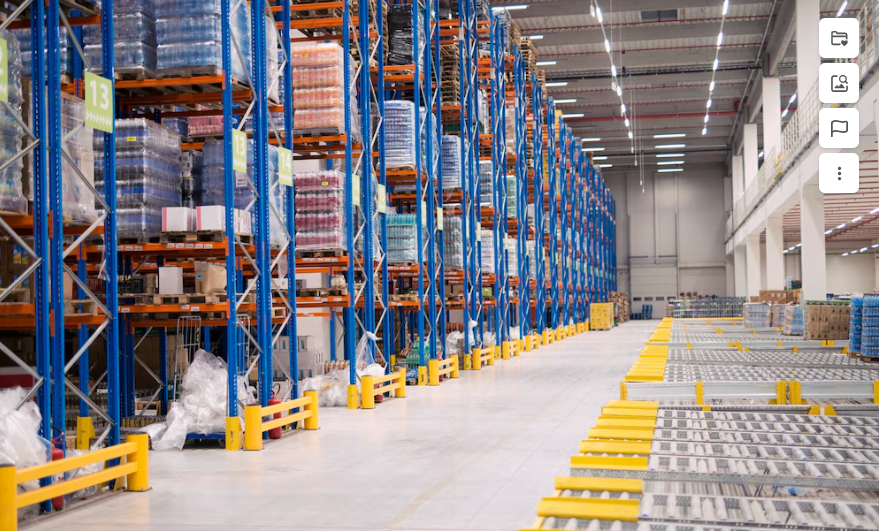
That is why more e-commerce brands are moving toward distributed fulfillment models.
Instead of storing all products in one location, sellers strategically position inventory in regional warehouses closer to end customers.
Common examples include:
EU warehouses for European orders
Local inventory hubs near high-volume urban markets
According to McKinsey, many retailers improved delivery speeds by strategically locating regional
distribution centers and reducing shipping distances.
For cross-border sellers, this approach creates several advantages:
Faster Last-Mile Delivery
Orders can arrive in 1–3 days instead of 7–15 days.
Reduced Shipping Costs
Shorter transportation routes lower final-mile expenses.
Lower Customs Delays
Bulk inventory imports often clear customs faster than individual parcels.
Better Marketplace Performance
Platforms like Amazon, Walmart, and
TikTok Shop reward faster shipping metrics.
This is one reason many growing brands partner with
third-party logistics providers like
SendFromChina to combine China sourcing with overseas warehousing and fulfillment.
Inventory placement alone can reduce delivery times dramatically without changing the actual shipping carrier.
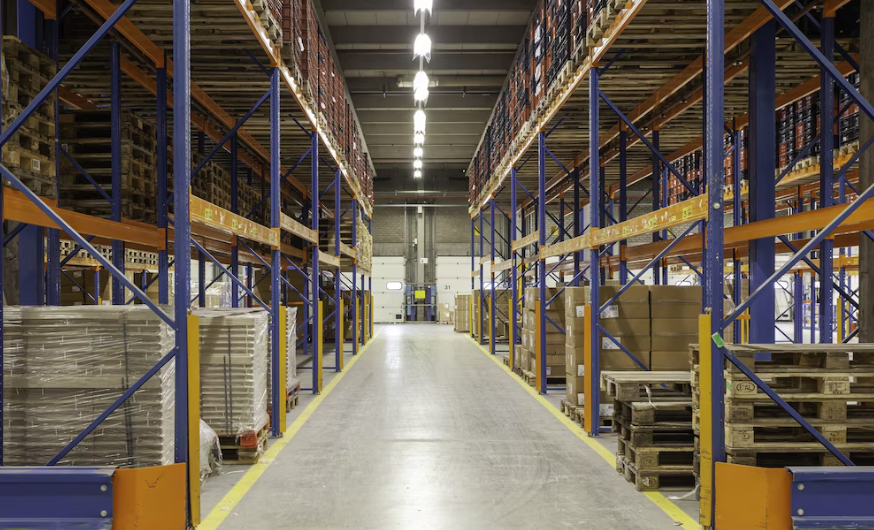
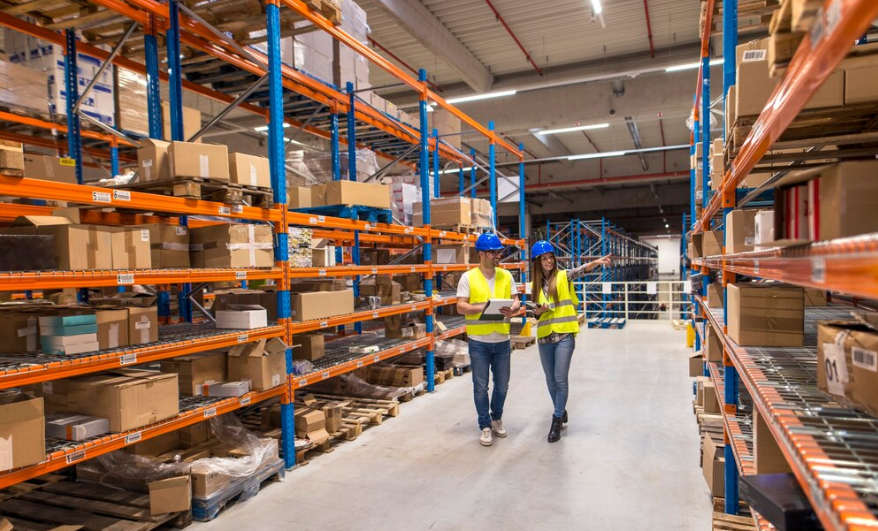
Strategy 2: Automate Warehouse Operations
Many delivery delays start before the package even leaves the warehouse.
Manual picking, delayed packing, inventory errors, and slow order processing can easily add 24–48 unnecessary hours to fulfillment.
As order volume grows, these inefficiencies multiply.
Automation helps remove those bottlenecks.
Modern warehouses increasingly rely on:
Barcode scanning systems
Automated sorting
Smart shelving
AI-assisted inventory allocation
Batch picking workflows
The goal is simple: reduce human delay between order placement and shipment dispatch.
A surprisingly large percentage of “slow shipping” complaints are actually caused by slow fulfillment processing — not courier transit.
For example, a seller may advertise 3-day shipping, but if the warehouse takes two days just to process the order, the customer experience immediately deteriorates.
Warehouse automation improves:
Order Accuracy
Fewer picking mistakes reduce reshipments and returns.
Processing Speed
Orders move from checkout to shipment faster.
Inventory Visibility
Real-time stock synchronization prevents overselling.
Scalability
Peak-season surges become easier to manage.
Academic logistics research also shows that optimizing middle-mile fulfillment networks can significantly improve next-day delivery coverage.
In practice, even small operational improvements inside a warehouse can create major delivery speed gains downstream.
Strategy 3: Use Multi-Carrier Shipping Networks
Relying on a single carrier is risky.
No shipping provider performs equally well across every country, region, season, or product category. One courier may dominate urban deliveries but struggle in rural areas. Another may excel at customs clearance but fall behind during holiday peaks.
Smart e-commerce businesses diversify.
Instead of depending on one logistics partner, they build multi-carrier shipping strategies that dynamically choose the best route for each shipment.
This often includes a mix of:
Postal channels
Commercial express services
Local last-mile carriers
Dedicated e-commerce lines
Regional delivery networks
Benefits include:
Faster Route Optimization
Orders automatically use the fastest available carrier.
Reduced Peak-Season Congestion
Alternative carriers help avoid delays during holiday surges.
Better Regional Performance
Different carriers perform better in different destinations.
Improved Cost Control
Businesses can balance speed and shipping expenses.
This flexibility matters more than ever.
Consumer trust in promised delivery dates has weakened in recent years because delays remain common during high-volume periods.
Multi-carrier logistics helps reduce dependency risk and maintain delivery consistency.
For international sellers, working with a 3PL that already integrates multiple shipping channels often provides the fastest path to scalable fulfillment.
Strategy 4: Improve Demand Forecasting
You cannot ship fast if your inventory is in the wrong place.
Many delivery delays are inventory problems disguised as logistics problems.
Common examples include:
Delayed replenishment
Incorrect sales forecasting
Inventory trapped in low-demand regions
Sudden viral product spikes
Demand forecasting helps businesses predict what customers will buy, where they will buy it, and when demand will increase.
The better the forecast, the faster the fulfillment.
Modern forecasting relies on:
Historical sales data
Seasonal trends
Marketplace analytics
Advertising performance
Geographic demand patterns
AI-driven predictive models
This is becoming increasingly important as consumer buying behavior changes faster than traditional supply chains can react.
Retail and logistics analysts now emphasize agile inventory planning because customer demand volatility continues to increase globally.
Better forecasting improves delivery speed because products are already positioned near buyers before orders arrive.
That reduces:
Emergency air shipments
Backorders
Split shipments
Fulfillment transfers between warehouses
In short, forecasting turns reactive logistics into proactive logistics.
Strategy 5: Optimize Last-Mile Delivery
The last mile is often the slowest — and most expensive — stage of delivery.
It includes the final handoff from the local distribution center to the customer’s doorstep.
Even when international shipping is efficient, last-mile delays can still ruin the experience.
This is why companies worldwide are investing heavily in last-mile optimization technologies.
Strategies include:
Route Optimization Software
AI systems calculate faster delivery paths and reduce idle driver time.
Local Delivery Partnerships
Regional courier partnerships improve coverage and flexibility.
Delivery Time Slot Scheduling
Customers choose preferred delivery windows.
Smart Tracking Systems
Real-time visibility reduces support inquiries.
Hyperlocal Fulfillment
Urban inventory hubs shorten delivery distances.
According to recent industry reports, consumers increasingly value delivery reliability and visibility alongside speed.
In other words, customers do not simply want fast delivery.
They want:
Accurate ETAs
Reliable delivery promises
Live tracking updates
Fewer failed delivery attempts
Interestingly, discussions across e-commerce communities show that many sellers now focus more on transparent communication than unrealistic same-day promises.
That shift matters.
Overpromising delivery speed often backfires harder than offering slightly slower but highly reliable fulfillment.
Strategy 6: Partner With a Professional 3PL Provider
At some point, operational complexity becomes too large for in-house fulfillment.
This happens especially when sellers expand internationally.
Managing:
Warehousing
Customs
Carrier negotiations
Inventory synchronization
Returns
Tracking systems
Marketplace integrations
…across multiple countries quickly becomes difficult.
That is where third-party logistics providers (3PLs) become valuable.
An experienced 3PL can centralize logistics operations while improving delivery efficiency.
Services often include:
Global warehousing
Cross-border shipping
Order fulfillment
Returns management
Inventory distribution
Carrier optimization
Customs support
For e-commerce brands sourcing products from China, providers like
SendFromChina help bridge manufacturing, warehousing, and international fulfillment into a single logistics workflow.
The biggest advantage is scalability.
Instead of rebuilding logistics infrastructure internally, sellers can leverage an existing fulfillment network optimized for speed and cost control.
This becomes especially important during:
Black Friday
Christmas peaks
TikTok viral product surges
Marketplace promotion events
Seasonal inventory spikes
A strong 3PL relationship can reduce operational friction while improving both delivery speed and customer satisfaction.
Common Mistakes That Slow Down Deliveries
Even experienced sellers make avoidable logistics mistakes.
Here are some of the most common ones:
Using Only One Warehouse
Single-location fulfillment increases transit times dramatically for global buyers.
Poor Inventory Visibility
Overselling and stock inaccuracies delay order processing.
Choosing Carriers Based Only on Price
Cheap shipping often creates long-term customer dissatisfaction.
Delayed Order Processing
Slow warehouse operations create avoidable bottlenecks.
Ignoring Returns Logistics
Reverse logistics impacts customer trust and operational efficiency.
Overpromising Delivery Speeds
Missed delivery promises damage brand credibility faster than slightly slower but reliable shipping.
The fastest-growing e-commerce businesses usually focus on operational consistency — not just headline delivery speed claims.
The Future of E-Commerce Delivery
The industry is moving toward faster, smarter, and more localized fulfillment.
Current trends include:
Same-day urban delivery
AI-powered route optimization
Predictive inventory allocation
Drone and autonomous delivery experiments
Real-time tracking expectations
Hyperlocal fulfillment hubs
Major retailers continue investing aggressively in delivery acceleration.
But there is an important reality many businesses are beginning to recognize:
Unlimited delivery speed is expensive.
Some Reddit discussions among e-commerce operators argue that reliability, communication, and shipping affordability may ultimately matter more than ultra-fast fulfillment for many brands.
That balance will likely define the next stage of global e-commerce logistics.
The winners will not necessarily be the companies that promise the fastest delivery.
They will be the ones that deliver consistently, transparently, and profitably.
Conclusion
Speeding up e-commerce delivery is not about finding one magic solution.
It requires a combination of smarter inventory placement, warehouse efficiency, carrier flexibility, forecasting accuracy, optimized last-mile operations, and scalable logistics partnerships.
Businesses that treat logistics as a strategic advantage — rather than just an operational expense — are usually the ones that scale successfully.
As customer expectations continue to rise, delivery performance will increasingly shape brand reputation, conversion rates, and long-term customer loyalty.
For growing global sellers, building a faster fulfillment system today is no longer optional. It is becoming part of staying competitive.
FAQs
What is the fastest way to improve e-commerce delivery speed?
Using warehouses closer to customers is usually the fastest improvement.
Does faster delivery increase sales?
Yes. Faster and more reliable shipping often improves conversion rates and repeat purchases.
Why do international shipments take so long?
Customs clearance, long transit distances, and inefficient last-mile delivery all contribute to delays.
What is a 3PL in e-commerce?
A 3PL is a third-party logistics provider that handles warehousing, fulfillment, and shipping operations.
Is same-day delivery necessary for all e-commerce businesses?
No. Reliable and transparent 2–3 day shipping is often enough for many brands.






 Post Views:2096
 TAGS:
TAGS:
 Want to know about our services, fees or receive a custom quote?