




Table of Contents
Get Custom eCommerce Fulfillment Service
Book a Meeting
Express Shipping vs Economy Shipping from China: Which Should You Use?
Time: Dec 26,2025 Author: SFC Source: www.sendfromchina.com
In today’s globally connected supply chain environment, choosing the right international shipping method can make or break your logistics strategy. For importers, e-commerce sellers, and businesses working with China — the world’s manufacturing powerhouse — the decision between express shipping and economy shipping significantly impacts cost, delivery reliability, and customer satisfaction. In this article, we’ll explore the key differences between these two major shipping options, highlight when to use each, and offer practical advice tailored for businesses leveraging Chinese suppliers and third-party logistics (3PL) solutions.
With SendFromChina’s expertise in China-based logistics, this guide helps you make informed decisions that align with your budget, timeline, and operational goals.
1. What Are Express and Economy Shipping?
At a fundamental level, express shipping and economy shipping differ in speed, cost, tracking capabilities, and overall service level.
Express Shipping
Express shipping is the fastest international delivery method available, typically handled by global couriers like DHL, FedEx, and UPS. It is designed for shipments where speed and reliability are priorities. These services often provide door-to-door delivery, priority customs clearance, and detailed tracking updates. Typical transit times from China to major markets (like the U.S., Europe, and Asia) range from 3 to 7 business days, depending on your destination and chosen carrier level.
Economy Shipping
Economy shipping is a cost-efficient alternative signifying slower delivery times in exchange for lower fees. This category includes basic economy services, economy dedicated lines offered by China 3PLs, and certain postal or e-commerce logistics channels. Transit times can vary widely — often 6 to 15+ days internationally — but the key advantage is the significant cost savings, especially for non-urgent, bulk, or low-value shipments.
Both methods serve important roles in international logistics. The tradeoffs between them aren’t just about time versus cost — they also affect customer experience, inventory planning, and supply chain resilience.
2. Cost Comparison: Fast vs. Affordable
One of the most visible differences between express and economy services is shipping cost.

Why Express Costs More
Express shipments use premium air freight networks and priority handling, which means:
Higher per-kg pricing, often significantly above economy rates.Priority customs processing and faster delivery.
Door-to-door services with minimal delays.
For example, a small parcel (0-5 kg) shipped from China via express might cost approximately $8–$12 per kg, depending on route and courier. These prices can increase during peak seasons or due to fuel surcharges.
Economy Shipping’s Price Advantage
Economy services focus on savings. Some economy dedicated lines or China export economy solutions (e.g., YunExpress, 4PX, Cainiao) may cost much less — often half or less of express pricing for similar shipments. Typical rates for small parcels may be in the $4–$10 range for 0.5-1 kg packages, depending on carrier and destination.
This positive impact on cost per unit can dramatically improve profit margins for businesses that:
Ship high volumes of goods.
Have flexible delivery timelines.
Operate on thin margins (e.g., e-commerce sellers).
However, remember that economy services can come with slower transit and sometimes less frequent tracking updates.
3. Delivery Times and Reliability
The delivery timeline matters not just for customer satisfaction but for inventory planning, order fulfillment, and sales cycles.

Express Shipping: Speed & Predictability
Express services are optimized for speed. Typical delivery times from China:
North America: 3–5 business days.Europe: 3–6 business days.
Asia: 1–3 business days.
Express services often come with delivery guarantees (depending on carrier and service tier), giving you greater predictability — an important consideration for just-in-time inventory or time-sensitive shipments.
Economy Shipping: Slower but Sufficient
Economy shipping transit times depend on service type and route. Basic international economy options or economy dedicated lines generally take 6–12+ days. With public postal economy shipments, it can even stretch to 10–15 business days or more.
Many business models — especially those where delivery speed isn’t a customer priority — find this acceptable because the cost savings often offset this delay.
Reliability and Tracking: Express services typically offer more granular tracking updates and priority handling worldwide. Economy services often include basic tracking, and while stable, updates can be less frequent.
4. When to Use Which Shipping Method
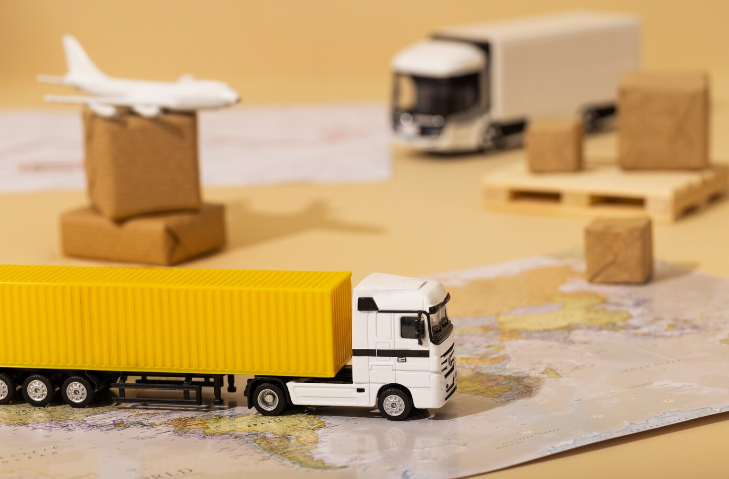
The choice between express and economy depends on your business priorities. Here’s a breakdown to help you decide.
Use Express Shipping When:
Speed is a priority (e.g., urgent shipments, samples, time-sensitive goods).
Customer satisfaction depends on delivery predictability.
You’re shipping high-value items where delay costs outweigh shipping costs.
You need detailed tracking and priority service.
Examples include:
Rush replenishment orders for seasonal products.
Delivery of critical parts or prototypes.
Premium customer offerings (e.g., “next-day delivery”).
Use Economy Shipping When:
Cost reduction is more important than speed.
Shipments are not time-sensitive.
You’re managing inbound material flows, bulk inventory, or low-value items.
This is ideal for:
Regular inventory restocks.
Low-value consumer goods that customers expect to wait longer.
Bulk shipments where cost per kilo matters more than delivery speed.
Economy dedicated lines — a hybrid between basic postal and pure express — are particularly attractive for e-commerce sellers who want a balance of cost and trackability.
5. Impact on Customer Experience
In the world of e-commerce and B2C fulfillment, delivery speed directly influences customer expectations. A delay of even a few days in express shipments can generate dissatisfaction if customers were promised speedy service.
Conversely, offering a low-cost economy option — clearly labeled with expected delivery times — can set the right expectations and avoid disappointment.
From a brand perspective:
Express shipping elevates perceived value but must be backed by consistent performance.
Economy shipping can enhance affordability, boosting conversions for price-sensitive customers.
Providing customers with a choice — “Express” vs “Standard/economy” — can actually increase conversion rates, as many shoppers are willing to pay a premium for speed, while others appreciate cost savings.
6. Operational Considerations for Businesses
Choosing your shipping mode isn’t isolated from other logistics decisions. Consider these operational factors:

Customs Clearance
Express services often include customs brokerage and priority clearance, reducing the likelihood of unexpected holds or delays. Economy options may be subject to more variable customs timelines.
Logistics Partnerships
Working with a trusted logistics partner — like SendFromChina — can help streamline documentation, optimize carrier selection, and mitigate risk. Experienced 3PLs can often negotiate better rates due to shipment volume and carrier relationships.
Peak Seasons and Capacity
During peak demand periods (e.g., Singles’ Day, Chinese New Year), express carriers may surge rates and have constrained capacity. Planning ahead or consolidating shipments can reduce risk and cost.
Insurance and Damage Protection
Express shipments often include robust insurance options relative to economy services. For high-value goods, ensuring proper coverage can protect your investment.
7. Hidden Costs and Risk Management
Outbound shipping isn’t always just about the headline price. Be aware of potential hidden costs:
Fuel surcharges and seasonal price increases.
Customs duties and brokerage fees.
Handling fees for oversized or heavy goods.
Returns and delivery errors.
A comprehensive logistics strategy considers total landed cost — not just shipping line price.
8. Trends and Future Outlook
The international shipping landscape is dynamic. In 2025, several trends are shaping the express vs economy conversation:
Tariff changes between major markets have influenced logistics costs and strategy. Economy dedicated lines are improving transit times while maintaining affordability. Customer expectations continue to push faster delivery even for low-cost goods.As logistics technology improves (for example, better tracking systems across cross-border services), the gap between express visibility and economy reliability may continue to narrow.
9. Choosing the Right Partner
Partnering with a knowledgeable 3PL like SendFromChina ensures that:
You access competitive express and economy rates.
Documentation and customs processes are handled professionally.
You maintain visibility across your supply chain.
Whether you’re scaling internationally or testing new markets, aligning your shipping strategy with business objectives is critical.
10. Conclusion
There’s no one-size-fits-all answer to Express vs Economy Shipping from China. Instead, the right choice depends on your time sensitivity, cost tolerance, product type, and customer expectations.
Express shipping excels when speed and reliability are mission-critical.Economy shipping wins when cost efficiency and volume savings matter most.
A blend of both — strategically applied — often delivers the best results. By understanding the nuances and aligning them with your business model, you’ll optimize costs, improve customer satisfaction, and streamline your supply chain for success.
11. Frequently Asked Questions (FAQs)
What is the main difference between express and economy shipping?
Express prioritizes speed and reliability; economy focuses on lower cost with slower transit.
How long does express shipping from China usually take?
Typically 3–7 business days depending on destination.
Is economy shipping reliable for business inventory?
Yes — economy shipping is reliable for non-urgent inventory and bulk shipments.
Does express shipping offer better tracking?
Generally yes — express services provide more frequent and detailed updates.
Which option is better for e-commerce sellers?
It depends on priorities: use express for fast delivery and economy for cost savings.
 Post Views:6541
 TAGS:
TAGS:
Copyright statement: The copyright of this article belongs to the original author. Please indicate the source for reprinting.
Previous Post
What Time Does FedEx Deliver? Hours & Service Times
Next Post
TAGS
Hot Research
Get Custom eCommerce Fulfillment Service
Book a Meeting
Get a Custom China Fulfillment Solution with FREE Storage for 30 Days
Want to know about our services, fees or receive a custom quote?
 Want to know about our services, fees or receive a custom quote?
Please fill out the form on the right and we will get back to you within a business day.
The more information you provide, the better our initial response will be.