




Table of Contents
Get Custom eCommerce Fulfillment Service
Book a Meeting
The Complete Guide to Ecommerce Fulfillment from China
Time: Jun 23,2026 Author: SFC Source: www.sendfromchina.com
Ecommerce fulfillment from China is a practical logistics model for brands that source products from Chinese suppliers and sell to customers worldwide. Instead of shipping all inventory to overseas warehouses before demand is clear, sellers can store products in a China-based fulfillment center, connect online orders, pick and pack parcels, and ship directly to customers across global markets.
This model is used by Shopify sellers, Amazon FBM sellers, DTC brands, crowdfunding creators, subscription businesses, and multi-channel ecommerce sellers that need flexible inventory close to suppliers.
This complete guide explains how ecommerce fulfillment from China works, when it makes sense, what services are involved, how to manage costs, and what sellers should check before choosing a China fulfillment partner.
What Is Ecommerce Fulfillment from China?
Ecommerce fulfillment from China is the process of storing products in a China warehouse and shipping customer orders from China to buyers around the world.
What It Includes
A full fulfillment workflow may include:
Receiving inventory from suppliersWarehouse storage
SKU-level inventory management
Ecommerce platform integration
Order syncing
Pick and pack
Packaging and labeling
Kitting or value-added services
International shipping
Tracking upload
Returns or replacement support
SendFromChina supports these workflows through ecommerce fulfillment, order fulfillment, China warehouse storage, pick and pack, and multiple logistics solutions.
How It Differs from Dropshipping
Dropshipping often means the seller does not own inventory and relies on a supplier or agent to ship products one by one. China fulfillment usually means the seller owns or controls inventory stored in a fulfillment warehouse.
That difference matters. Fulfillment gives sellers more control over stock, packaging, order accuracy, branded inserts, shipping routes, and customer experience.
For sellers moving beyond basic dropshipping, China fulfillment can create a more stable supply chain.
Why Ecommerce Sellers Use China Fulfillment
Many ecommerce brands source products from China but sell to customers in several countries. China fulfillment lets sellers keep inventory close to suppliers while still reaching global customers.
Supplier Proximity
If products are manufactured in China, supplier-to-warehouse delivery is usually faster than exporting inventory to a US, EU, UK, or Australian warehouse first.
This can help sellers:
Receive products from multiple suppliersReduce factory-to-warehouse lead time
Replenish inventory faster
Inspect goods before global shipment
Launch products without waiting for bulk import
Inventory Flexibility
Inventory placement is one of the biggest ecommerce decisions. If sellers import too much stock into one country, they can create overstock, storage cost, and cash flow pressure.
China fulfillment lets brands use one inventory pool for global demand before splitting stock into regional warehouses.
Global Market Testing
For new products, international demand is often uncertain. A product may sell well in the US, UK, Germany, Canada, Australia, or the Middle East. Keeping inventory in China gives sellers more flexibility while they learn where demand is strongest.
How Ecommerce Fulfillment from China Works
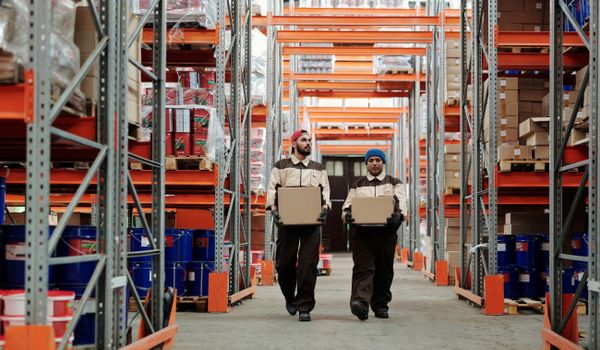
The workflow is usually simple, but each step needs clean data and operational control.
Step 1: Supplier Sends Inventory to the China Warehouse
Your supplier sends products to the fulfillment center. Before inbound delivery, prepare SKU names, product photos, carton labels, packing lists, barcode requirements, and special handling notes.
Clear inbound data reduces receiving errors and warehouse delays.
Step 2: Warehouse Receives and Stores Inventory
The warehouse checks cartons, verifies quantities, records SKUs, and stores products in warehouse locations. Sellers should be able to see available stock, reserved stock, and low-stock alerts.
Step 3: Ecommerce Orders Sync into the System
Orders from Shopify, Amazon FBM, eBay, WooCommerce, Kickstarter, Indiegogo, or API connections can be synced into the fulfillment system.
Shopify’s official order fulfillment guide defines fulfillment as the process from customer order to delivery, including storage, picking, packing, shipping, and returns. That same logic applies when the fulfillment center is based in China.
Step 4: Warehouse Picks and Packs Orders
The warehouse selects the correct products, checks order details, packs the parcel, applies labels, and prepares it for international delivery.
Step 5: Orders Ship Globally
The fulfillment provider selects shipping routes based on destination, weight, dimensions, tracking needs, delivery speed, product restrictions, and budget.
SendFromChina’s shipping cost calculator can help sellers estimate shipping costs before choosing routes.
Which Sellers Benefit Most?
China fulfillment is not ideal for every business, but it is useful for several ecommerce models.
Shopify and DTC Brands
Shopify sellers often need flexible inventory, branded packaging, and multi-country delivery. A China fulfillment center can store products near suppliers, sync orders, pack parcels, and upload tracking.
Amazon FBM and Multi-Channel Sellers
Amazon sellers may use FBA for bestsellers and China fulfillment for FBM, backup fulfillment, replacements, international orders, or non-Amazon channels.
Amazon’s official FBA page explains the Fulfillment by Amazon model, where sellers send products to Amazon and Amazon handles fulfillment. Sellers that need more China-side control may use a hybrid model: FBA for core SKUs and China fulfillment for other channels.
Crowdfunding Creators
Kickstarter and Indiegogo creators often manufacture rewards in China and ship to backers worldwide. China fulfillment can support kitting, reward tier matching, custom packaging, and global shipping.
Relevant SendFromChina services include Kickstarter fulfillment, crowdfunding fulfillment, and board game fulfillment.
Key Services in a China Fulfillment Setup
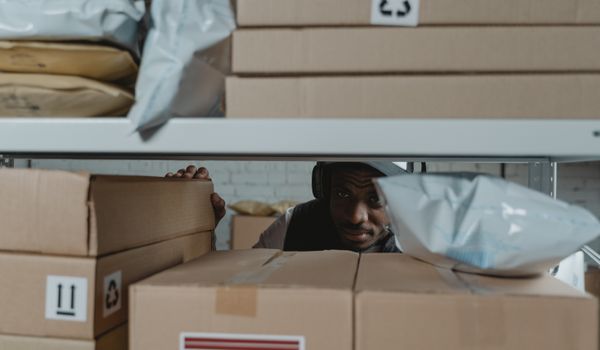
China Warehouse Storage
Warehouse storage keeps inventory close to suppliers before orders ship. Sellers should ask about SKU control, storage fees, stock reports, receiving rules, and replenishment alerts.
Inventory Management
Inventory management should show available stock, reserved orders, inbound products, damaged units, and low-stock warnings. Without accurate stock data, sellers risk overselling or stockouts.
Pick and Pack
Pick and pack accuracy is critical. The warehouse should pick the right SKU, verify the order, pack safely, and prepare the parcel for shipping.
Value-Added Services
Some sellers need extra services such as kitting, labeling, bundle assembly, branded inserts, FNSKU labels, inspection, or repacking. SendFromChina’s value-added services can support these workflows.
International Shipping
Shipping routes should be selected by product type, destination, tracking quality, delivery promise, and cost.
Cost Factors to Consider
China fulfillment cost is not just shipping cost.
Common Cost Components
Costs may include:
Inbound receivingStorage
Pick and pack
Packaging materials
Labeling or kitting
International shipping
Customs-related charges
Tracking
Replacement handling
What Affects Shipping Cost?
Shipping cost depends on destination country, actual weight, volumetric weight, dimensions, route, tracking level, and product restrictions.
Compliance and Customs Basics
Ecommerce fulfillment from China requires accurate product and shipping data. Sellers should understand the basics of customs classification, product restrictions, and import taxes in target markets.
Product Classification and HS Codes
The World Customs Organization explains that the Harmonized System, or HS, is an international product nomenclature used by more than 200 countries and economies for customs tariffs and trade statistics.
VAT, IOSS, and European Orders
For sellers shipping to Europe, VAT and import rules matter. The European Commission’s VAT One Stop Shop portal provides official information on OSS and IOSS schemes for ecommerce VAT.
Product Restrictions
Some products need special routing or documentation, including batteries, cosmetics, liquids, powders, magnets, oversized items, and regulated goods.
How to Choose a China Fulfillment Provider

The best provider depends on your products, order volume, destination countries, and customer promise.
Questions to Ask
Ask:
Where is the warehouse located?Can suppliers deliver inventory directly?
How are SKUs received and verified?
Can the provider sync your ecommerce orders?
What pick and pack checks are used?
What packaging options are available?
Which countries can the provider ship to?
Are DDP/DDU routes available?
How is tracking uploaded?
How are delays, lost parcels, and replacements handled?
Red Flags
Be careful if a provider cannot explain receiving rules, storage pricing, pick and pack process, shipping routes, product restrictions, or tracking visibility.
Cheap shipping is not useful if orders are inaccurate, packaging is weak, or tracking is unreliable.
Common Mistakes to Avoid
The first mistake is sending inventory without clear SKU data. Similar products, colors, sizes, plug types, and bundles must be labeled clearly.
The second mistake is choosing shipping only by price. Tracking quality, delivery reliability, and customer support workload matter.
The third mistake is ignoring packaging. Cross-border parcels need protection against compression, moisture, and long-distance handling.
The fourth mistake is waiting too long to plan compliance. Customs data, product restrictions, and destination-country rules should be checked before inventory ships.
The fifth mistake is not testing a small batch. A pilot batch helps verify receiving, pick and pack, shipping time, tracking, and customer delivery.
Final Thoughts
Ecommerce fulfillment from China helps brands turn China-based sourcing into a global fulfillment strategy.
It works best when products are made in China, customers are spread across multiple countries, and the seller needs flexible inventory before committing stock to local warehouses.
The strongest setup combines supplier proximity, accurate inventory management, platform order syncing, reliable pick and pack, suitable packaging, global shipping options, tracking, and clear compliance planning.
FAQ
What is ecommerce fulfillment from China?
Ecommerce fulfillment from China is the process of storing products in a China warehouse, syncing customer orders, picking and packing parcels, and shipping orders worldwide from China.
Who should use China fulfillment?
China fulfillment is useful for ecommerce sellers whose products are manufactured or sourced in China, especially if they sell to multiple countries or want flexible inventory before using local warehouses.
Is China fulfillment the same as dropshipping?
No. Dropshipping usually means the seller does not control inventory. China fulfillment usually means the seller owns inventory stored in a fulfillment center and uses that provider to ship orders.
Can China fulfillment integrate with Shopify?
Yes. Many providers support Shopify order syncing, inventory updates, fulfillment processing, and tracking upload.
What does China fulfillment cost?
Costs may include receiving, storage, pick and pack, packaging, kitting, international shipping, customs-related charges, and replacement handling.
Can China fulfillment support Amazon sellers?
Yes. Amazon sellers may use China fulfillment for FBM orders, backup fulfillment, replacement orders, FBA prep support, or multi-channel orders outside Amazon.
How do I choose a China fulfillment provider?
Compare warehouse location, SKU accuracy, platform integration, pick and pack quality, shipping coverage, pricing transparency, product restriction support, tracking, and exception handling.
 Post Views:2476
 TAGS:
TAGS:
Copyright statement: The copyright of this article belongs to the original author. Please indicate the source for reprinting.
Previous Post
Apparel Fulfillment from China: SKU Management, Packing, and Returns
Next Post
TAGS
Hot Research
Recent News
Get Custom eCommerce Fulfillment Service
Book a Meeting
Get a Custom China Fulfillment Solution with FREE Storage for 30 Days
Want to know about our services, fees or receive a custom quote?
 Want to know about our services, fees or receive a custom quote?
Please fill out the form on the right and we will get back to you within a business day.
The more information you provide, the better our initial response will be.