The direct-to-consumer (DTC) boom changed the rules of retail. Brands that once depended on distributors, wholesalers, or marketplaces now ship products straight to customers’ doors. On the surface, it sounds simple: sell online, pack orders, ship them out. But anyone who has actually operated a DTC business knows fulfillment is where the real pressure begins.
Customers rarely think about warehouses, inventory syncing, pick-and-pack workflows, or carrier negotiations. They notice only one thing: whether the order arrives quickly and correctly.
That single moment — the delivery experience — now shapes customer loyalty more than many advertising campaigns.
For modern eCommerce brands, DTC order fulfillment is no longer just an operational function hidden in the background. It has become a competitive advantage.
According to recent logistics and eCommerce reports, consumers increasingly expect same-day or next-day shipping, real-time tracking, easy returns, and personalized delivery experiences. DHL’s 2025 E-Commerce Trends Report found that 76% of shoppers abandon carts when preferred delivery options are unavailable.
At the same time, DTC sales continue to grow rapidly across global markets, pushing brands to rethink inventory placement, automation, and cross-border logistics strategies.
This article explains how DTC order fulfillment works, why it matters, the biggest challenges brands face, and how scalable logistics systems help businesses grow sustainably.
What Is Direct-to-Consumer (DTC) Order Fulfillment?
Direct-to-consumer
order fulfillment refers to the entire logistics process involved when a brand sells products directly to end customers without relying on traditional retail intermediaries.
The process usually includes:
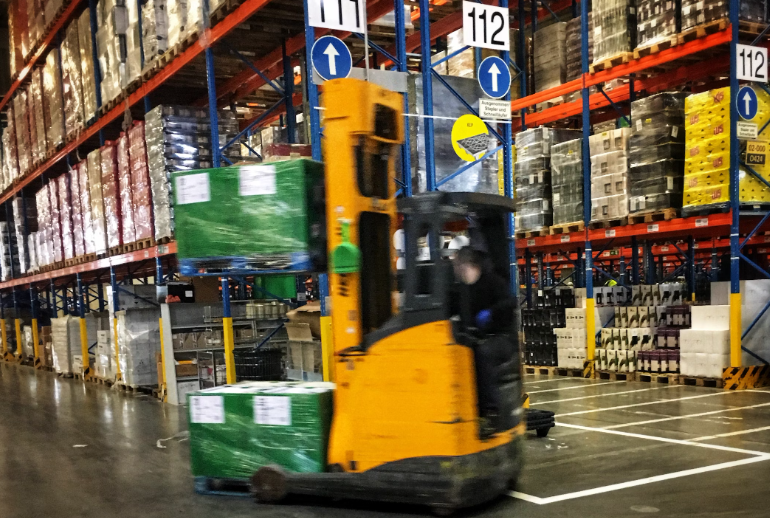
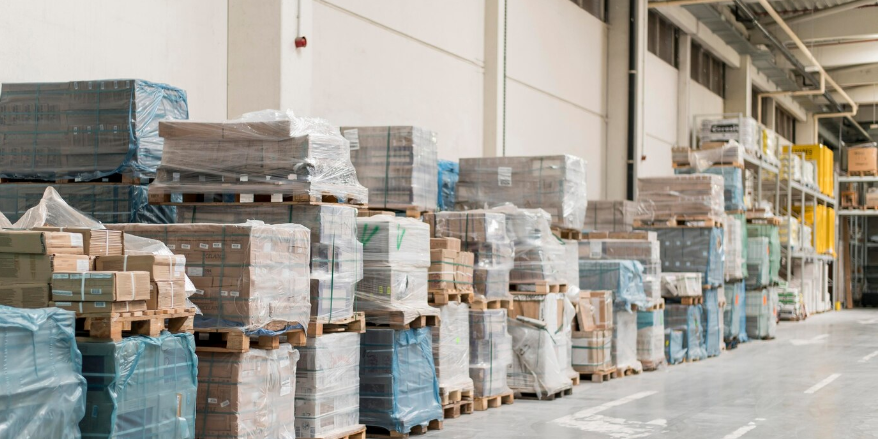
Storing products in warehouses
Processing online orders
Picking and packing items
Shipping products to customers
Managing tracking updates
Handling returns and exchanges
In traditional retail, brands typically shipped pallets of inventory to distributors or retail chains. In a DTC model, fulfillment becomes far more complex because warehouses must process thousands of small individual orders instead of bulk shipments.
A single customer order might contain:
Personalized packaging
Promotional inserts
Gift wrapping
Subscription items
International shipping requirements
That operational complexity is why fulfillment has become one of the most important parts of eCommerce growth.
Why DTC Fulfillment Matters More Than Ever
A few years ago, consumers tolerated longer delivery windows. Today, expectations are completely different.
Fast shipping has shifted from a “nice-to-have” feature into a baseline requirement.
Modern customers expect:
Accurate delivery estimates
Real-time tracking
Fast returns
Flexible shipping options
Branded packaging experiences
When brands fail to meet these expectations, customer acquisition costs rise because retention drops.
And retention matters. A returning customer is almost always more profitable than a newly acquired one.
Research from multiple
eCommerce fulfillment reports shows that brands increasingly view fulfillment as a customer experience strategy — not just a warehouse operation.
Many fast-growing DTC brands now invest heavily in:
Distributed warehouse networks
Automation technologies
AI-powered inventory forecasting
Cross-border fulfillment systems
The goal is simple: reduce delivery time while controlling operational costs.
How the DTC Fulfillment Process Works
Although workflows vary between businesses, most DTC fulfillment systems follow the same operational framework.
Inventory Receiving
Products arrive at a fulfillment center from manufacturers or suppliers.
Warehouse teams:
Inspect inventory
Count units
Label products
Update inventory systems
Store products in designated warehouse locations
Accurate receiving matters because inventory discrepancies later create overselling issues and delayed shipments.
Inventory Storage
Products are stored based on:
SKU velocity
Product dimensions
Order frequency
Fast-moving products are usually placed closer to packing stations to reduce picking time.
Modern warehouses increasingly use intelligent slotting systems powered by warehouse management software (WMS). Some operations now integrate AI forecasting tools to optimize storage layouts dynamically.
Order Processing
Once a customer places an order through Shopify, WooCommerce, Amazon,
TikTok Shop, or another channel, the order syncs automatically with the fulfillment system.
The warehouse software:
Validates payment
Confirms stock availability
Assigns shipping methods
Generates picking instructions
Speed at this stage matters because customers now expect near-instant order confirmation.
Picking and Packing
Warehouse staff or automated robots retrieve products from shelves.
This stage often determines fulfillment efficiency because labor costs are heavily concentrated here.
The products are then:
Packed securely
Labeled
Weighed
Assigned tracking numbers
For DTC brands, packaging itself often becomes part of the customer experience.
A plain brown box feels transactional.
A branded unboxing experience feels memorable.
That difference influences repeat purchase behavior more than many brands realize.
Shipping and Last-Mile Delivery
After packing, carriers transport the order to the customer.
This stage introduces several challenges:
Carrier delays
Weather disruptions
Address errors
Failed delivery attempts
To reduce delivery times, many brands distribute inventory across multiple regional warehouses instead of relying on a single fulfillment center.
According to industry reports, decentralized fulfillment networks are becoming increasingly common among DTC brands trying to meet next-day delivery expectations.
Returns Management
Returns are unavoidable in eCommerce.
A strong returns process includes:
Return authorization systems
Reverse logistics workflows
Inspection procedures
Restocking operations
Refund automation
Consumers now judge brands heavily based on return experiences.
A frustrating return process can permanently damage customer trust.
Common DTC Fulfillment Challenges
DTC fulfillment sounds attractive in theory, but scaling it introduces operational pressure quickly.
Here are the biggest challenges brands face.
Inventory Forecasting Problems
Demand fluctuations are difficult to predict.
A TikTok video can suddenly drive thousands of unexpected orders overnight. Seasonal promotions can create inventory spikes. Viral products often sell out before replenishment arrives.
Poor forecasting leads to:
Delayed shipments
Lost revenue
Higher storage costs
Advanced forecasting systems now combine historical sales data, market trends, and real-time demand signals to improve
inventory accuracy.
Rising Shipping Costs
Shipping costs continue increasing globally.
DTC brands must balance:
Delivery speed
Customer expectations
Carrier reliability
Profit margins
Free shipping may increase conversions, but it also compresses margins significantly.
Many brands solve this by:
Using regional fulfillment centers
Negotiating carrier rates
Offering threshold-based free shipping
Using hybrid shipping models
Multi-Channel Complexity
Modern brands rarely sell through just one channel.
Many DTC companies now operate across:
Shopify stores
Amazon
Walmart Marketplace
TikTok Shop
Instagram
Wholesale channels
ShipBob’s fulfillment report found that over half of eCommerce brands already sell across three or more channels.
Managing synchronized inventory across all channels becomes increasingly difficult without integrated software systems.
Cross-Border Logistics Challenges
International DTC expansion introduces:
Customs regulations
Duties and taxes
Delivery delays
Local compliance requirements
Currency issues
Cross-border fulfillment is especially complicated for fast-growing brands shipping from China to North America or Europe.
That is why many businesses now work with specialized third-party logistics providers (3PLs) that understand global shipping regulations and localized fulfillment strategies.
Return Rates and Reverse Logistics
Returns can quietly destroy profitability.
Fashion, beauty, electronics, and lifestyle categories often experience particularly high return rates.
The challenge is not only handling the physical return, but also:
Processing refunds quickly
Managing resale inventory
Preventing damaged goods losses
Maintaining customer satisfaction
Efficient reverse logistics systems have become essential for sustainable DTC growth.
The Role of 3PL Providers in DTC Fulfillment
Many growing brands eventually reach a point where self-fulfillment becomes inefficient.
That is where third-party logistics providers enter the picture.
Shipping
Returns management
Carrier coordination
Faster Scaling
Instead of building warehouses internally, brands can leverage existing logistics infrastructure.
This reduces:
Startup costs
Hiring pressure
Technology investment
Operational risk
Better Shipping Performance
Established 3PL providers often negotiate better shipping rates because of high shipping volume.
They also maintain:
Multi-region warehouses
Carrier partnerships
Customs expertise
Delivery optimization systems
This helps brands improve delivery speed while lowering costs.
Improved International Fulfillment
For brands sourcing products from China, fulfillment providers with cross-border expertise can simplify:
Global shipping
Customs clearance
Inventory allocation
International returns
This becomes increasingly important as DTC brands expand globally.
Technology Is Reshaping DTC Fulfillment
The warehouse industry is changing quickly.
Modern fulfillment operations now use:
Warehouse robotics
AI forecasting
Real-time inventory tracking
Smart order routing
Predictive delivery systems
Some large eCommerce companies already use machine learning to optimize inventory placement across regional warehouses.
AI-driven forecasting tools are also helping brands reduce stockouts and improve fulfillment speed.
Industry analysts increasingly believe future DTC fulfillment systems will rely heavily on unified commerce infrastructure and AI-powered automation.
But technology alone is not enough.
Even highly automated fulfillment systems still depend on:
Accurate operational planning
Inventory discipline
Carrier relationships
Customer communication
Technology improves execution, but strategy still matters.
Key Metrics Every DTC Brand Should Track
Strong fulfillment operations rely on measurable performance indicators.
Important metrics include:
Order Accuracy Rate
Measures how often customers receive the correct products.
Order Processing Time
Tracks how quickly orders move from purchase to shipment.
Delivery Time
Measures total shipping speed from warehouse to customer.
Inventory Turnover
Shows how efficiently inventory moves through the business.
Return Rate
Helps identify product quality or customer expectation issues.
Fulfillment Cost Per Order
Measures operational efficiency and profitability.
Brands that monitor these metrics consistently can identify operational problems before they become expensive.
What Customers Actually Care About
Many brands obsess over marketing campaigns while overlooking fulfillment quality.
But from a customer perspective, fulfillment shapes trust.
Customers remember:
Late deliveries
Damaged packaging
Missing items
Poor tracking communication
Complicated returns
They also remember positive experiences:
Fast shipping
Clean packaging
Accurate orders
Easy returns
Helpful updates
Interestingly, discussions within DTC communities increasingly emphasize that operational reliability often drives stronger long-term growth than aggressive advertising tactics alone.
In other words, fulfillment is no longer invisible infrastructure.
It is part of the brand experience itself.
Future Trends in DTC Fulfillment
Several trends are shaping the future of DTC logistics.
Distributed Warehousing
Brands increasingly position inventory closer to customers to reduce shipping times.
AI-Driven Operations
Forecasting, order routing, and inventory allocation are becoming more automated.
Sustainability Initiatives
Consumers increasingly care about:
Eco-friendly packaging
Carbon-neutral shipping
Reduced packaging waste
DHL research found sustainability concerns are influencing purchasing decisions more than before.
Unified Commerce Systems
Future fulfillment systems will likely integrate:
Online sales
Retail stores
Marketplaces
Inventory systems
Customer data
This creates smoother customer experiences across all channels.
Faster Cross-Border Shipping
Global DTC growth continues pushing logistics providers to improve international delivery performance.
Conclusion
Direct-to-consumer fulfillment has evolved far beyond simple shipping operations.
Today, it sits at the center of customer experience, operational efficiency, and brand growth.
As customer expectations continue rising, brands must balance:
Fast delivery
Inventory accuracy
shipping costs
scalability
global expansion
customer satisfaction
The businesses that succeed are rarely the ones with the flashiest marketing alone. More often, they are the companies that build fulfillment systems capable of delivering consistently reliable experiences.
In modern eCommerce, logistics is no longer just backend infrastructure.
It is part of the product itself.
FAQs
What does DTC fulfillment mean?
DTC fulfillment refers to the process of storing, packing, shipping, and delivering products directly from a brand to consumers.
Why is DTC fulfillment important?
It directly impacts customer satisfaction, delivery speed, retention, and overall brand reputation.
What is the difference between DTC and traditional retail fulfillment?
Traditional retail ships bulk inventory to stores, while DTC fulfillment handles individual customer orders.
Can small businesses use 3PL services?
Yes. Many small and mid-sized eCommerce brands use 3PL providers to scale operations efficiently.
How can brands improve DTC fulfillment speed?
Brands can improve speed by using multiple warehouses, automation tools, better inventory forecasting, and optimized carrier partnerships.






 Post Views:2459
 TAGS:
TAGS:
 Want to know about our services, fees or receive a custom quote?