




Table of Contents
Get Custom eCommerce Fulfillment Service
Book a Meeting
What Does DIFOT Mean: Guide to Delivery In Full, On Time
Time: Mar 18,2026 Author: SFC Source: www.sendfromchina.com
In modern logistics, speed alone is no longer enough. Customers expect accuracy, reliability, and consistency—every single time. That’s where DIFOT comes in.

If you’ve ever wondered why some brands win repeat customers effortlessly while others struggle with complaints and returns, the answer often lies in a single metric: Delivery In Full, On Time (DIFOT).
This guide breaks down DIFOT in a practical, no-nonsense way—what it means, how it’s calculated, why it matters, and how businesses like SendFromChina can leverage it to improve logistics performance globally.
What Does DIFOT Mean?
DIFOT (Delivery In Full, On Time) is a key performance indicator (KPI) used in supply chain management to measure how successfully orders are delivered according to customer expectations.
At its core, DIFOT answers a simple question:
Did the customer receive exactly what they ordered, at the time they expected?
More formally, DIFOT measures whether an order is:
Delivered in full (correct items, quantities, and quality)
Delivered on time (within the agreed delivery window)
It is typically expressed as a percentage and reflects overall delivery performance across the supply chain.
Breaking Down DIFOT: Two Critical Components
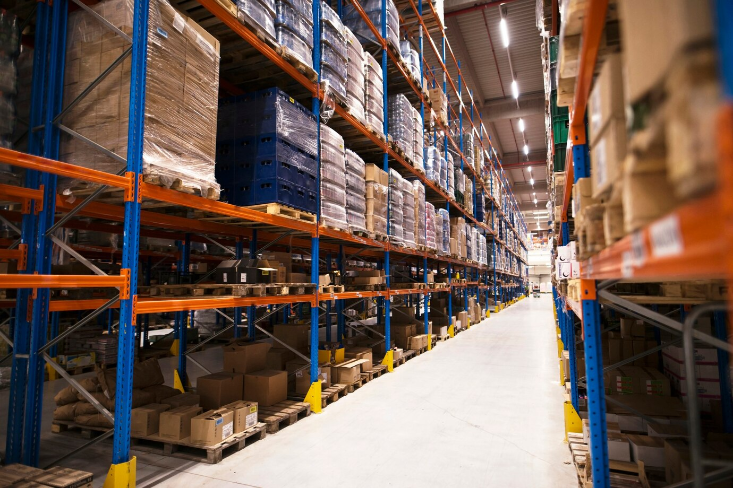
Delivery “In Full”
“In full” means:
The correct products were delivered
The right quantity was fulfilled
No missing, damaged, or substituted items
Even a single missing SKU can cause a DIFOT failure.
In real-world logistics, partial shipments or backorders may still satisfy internal operations—but they don’t count as success under DIFOT.
Delivery “On Time”
“On time” refers to:
Delivery within the promised timeframe
Compliance with the customer-agreed delivery window
This could mean:
Same-day delivery
Next-day shipping
A specific time slot (e.g., 2–5 PM)
Even if the order is perfect—but arrives late—it fails DIFOT.
The Key Rule
DIFOT is all-or-nothing:
Complete but late → Failure
On time but incomplete → Failure
Complete AND on time → Success
This strict definition reflects the real customer experience.
DIFOT vs OTIF: Are They the Same?
You may also see the term OTIF (On-Time In-Full).
In practice:
DIFOT = OTIF
The difference is purely in wording, not meaning
Both measure the same concept: whether customers receive what they want, when they want it.
How to Calculate DIFOT
The DIFOT formula is straightforward:
DIFOT (%) = (Orders Delivered In Full and On Time ÷ Total Orders) × 100
Example:
Total orders: 1,000
Orders delivered correctly and on time: 950
DIFOT = (950 ÷ 1,000) × 100 = 95%
This percentage represents your delivery reliability.
A high-performing logistics operation typically targets 95%+ DIFOT.
Why DIFOT Matters in Modern Logistics

Customer Expectations Have Changed
Today’s customers expect:
Fast shipping
Accurate fulfillment
Transparent delivery timelines
Failing any of these leads to dissatisfaction.
Research shows that delivery failures—especially delays—can significantly damage customer perception and loyalty.
DIFOT Reflects the Entire Supply Chain
Unlike isolated metrics (e.g., shipping speed), DIFOT evaluates:
Warehouse efficiency
Picking and packing quality
Carrier performance
That’s why it’s often considered a holistic KPI.
It Drives Repeat Business
A strong DIFOT score:
Builds trust
Reduces complaints and returns
Increases customer retention
A weak DIFOT score does the opposite—fast.
It Identifies Operational Weaknesses
Low DIFOT can reveal issues such as:
Poor demand forecasting
Inefficient warehouse workflows
Unreliable shipping partners
Fixing these bottlenecks improves overall efficiency.
What Is a Good DIFOT Score?
While benchmarks vary by industry, general guidelines include:
| DIFOT Rate | Performance Level |
| 98%+ | Excellent |
| 95–97% | Strong |
| 90–94% | متوسط / Needs Improvement |
| <90% | Poor |
For eCommerce and international shipping, even a 1–2% improvement can significantly impact revenue.
Common Causes of Low DIFOT
Let’s get practical. Most DIFOT failures come from a few recurring issues:
Inventory Inaccuracy
Out-of-stock items
Incorrect stock counts
Poor SKU management
Warehouse Errors
Picking mistakes
Packing errors
Mislabeling
Inefficient Order Processing
Delayed order confirmation
Slow fulfillment workflows
Transportation Delays
Carrier disruptions
Customs clearance issues
Last-mile inefficiencies
Poor Communication
Incorrect delivery promises
Lack of tracking updates
How to Improve DIFOT Performance
Improving DIFOT isn’t about one fix—it’s about tightening the entire system.
Improve Inventory Visibility
Use real-time inventory systems to:
Avoid overselling
Reduce stockouts
Improve forecasting accuracy
Optimize Warehouse Operations
Focus on:
Standardized picking processes
Barcode scanning
Automation where possible
Even small improvements here can dramatically increase accuracy.
Set Realistic Delivery Promises
Overpromising is one of the fastest ways to damage DIFOT.
Instead:
Use data-driven delivery estimates
Factor in peak seasons and delays
Choose Reliable Logistics Partners
Carrier performance directly impacts DIFOT.
Look for partners that offer:
Stable transit times
Strong tracking systems
Proven international shipping experience
This is especially critical for cross-border eCommerce.
Use Data and Analytics
Track:
Late deliveries
Partial shipments
Root causes of failures
Then fix patterns—not just individual issues.
DIFOT in eCommerce and Cross-Border Logistics
For global sellers, DIFOT becomes even more complex.
Why?
Because international logistics adds layers like:
Customs clearance
Multiple carriers
Longer transit times
Regulatory compliance
This makes DIFOT both harder to achieve—and more important.
The SendFromChina Perspective
For a logistics provider like SendFromChina, DIFOT is not just a KPI—it’s a competitive advantage.
By focusing on:
Efficient warehouse operations in China
Optimized global shipping routes
Strong carrier partnerships
SendFromChina helps eCommerce sellers:
Reduce delivery errors
Improve shipping reliability
Increase customer satisfaction globally
DIFOT vs Other Logistics KPIs
Let’s put DIFOT into context:
| KPI | What It Measures | Limitation |
| On-Time Delivery (OTD) | Delivery speed | Ignores completeness |
| Fill Rate | Order completeness | Ignores timing |
| Shipping Accuracy | Correct items shipped | Ignores delivery timing |
| DIFOT | Full + On Time | More demanding, but more accurate |
DIFOT stands out because it reflects the actual customer experience.
Real-World Example of DIFOT
Imagine an online store:
Customer orders 3 items
Receives 2 items on time → DIFOT failure
Receives all 3 items, but 1 day late → DIFOT failure
Receives all 3 items on time → DIFOT success
This strict measurement ensures businesses stay aligned with customer expectations.
The Hidden Business Impact of DIFOT
DIFOT doesn’t just affect operations—it impacts revenue.
High DIFOT Leads To:
More positive reviews
Lower return rates
Higher lifetime customer value
Low DIFOT Leads To:
Refunds and chargebacks
Increased support costs
Brand damage
In competitive markets, this difference is massive.
Technology’s Role in Improving DIFOT
Modern logistics relies heavily on technology to improve DIFOT:
Transportation Management Systems (TMS)
Real-time tracking tools
AI-driven demand forecasting
These tools help reduce human error and improve delivery predictability.
Future Trends: DIFOT in 2026 and Beyond
Looking ahead, DIFOT will become even more critical due to:
Same-day and next-day delivery expectations
Growth of global eCommerce
Increased competition in logistics services
Companies that fail to maintain high DIFOT will struggle to keep customers.
Conclusion
DIFOT—Delivery In Full, On Time—is more than just a logistics metric. It’s a direct reflection of how well your business delivers on its promises.
In a world where customers expect speed and accuracy, DIFOT has become the gold standard for measuring delivery performance.
For businesses working with international logistics providers like SendFromChina, improving DIFOT is one of the most effective ways to:
Enhance customer satisfaction
Strengthen operational efficiency
Build long-term competitive advantage
FAQs
What does DIFOT stand for?
DIFOT stands for Delivery In Full, On Time, a KPI that measures whether orders are delivered completely and on schedule.
What is a good DIFOT percentage?
A good DIFOT score is typically 95% or higher, depending on the industry.
Is DIFOT the same as OTIF?
Yes. DIFOT and OTIF mean the same thing—only the wording differs.
Why is DIFOT important?
It directly reflects customer satisfaction by measuring delivery accuracy and timeliness together.
How can I improve my DIFOT score?
Improve inventory accuracy, optimize warehouse processes, choose reliable carriers, and set realistic delivery expectations.
 Post Views:2667
 TAGS:
TAGS:
Copyright statement: The copyright of this article belongs to the original author. Please indicate the source for reprinting.
Previous Post
New Beginning · New Journey! Suntek's Office Relocation Ceremony Successfully Held
Next Post
TAGS
Hot Research
Get Custom eCommerce Fulfillment Service
Book a Meeting
Get a Custom China Fulfillment Solution with FREE Storage for 30 Days
Want to know about our services, fees or receive a custom quote?
 Want to know about our services, fees or receive a custom quote?
Please fill out the form on the right and we will get back to you within a business day.
The more information you provide, the better our initial response will be.