




Table of Contents
Get Custom eCommerce Fulfillment Service
Book a Meeting
How to Avoid Crowdfunding Fulfillment Delays in 2026
Time: Jun 30,2026 Author: SFC Source: www.sendfromchina.com
Crowdfunding fulfillment delays are one of the fastest ways to damage backer trust. A campaign can have a strong product, compelling story, and successful funding result, but if rewards ship months late, arrive incomplete, or lack tracking updates, the creator may face refund pressure, angry comments, negative reviews, and long-term reputation damage.
In 2026, fulfillment planning needs to start before launch. Creators must think about production handoff, backer surveys, reward tiers, add-ons, kitting, packaging, DDP/DDU shipping, customs data, route selection, tracking, and replacement inventory before the campaign ends.
This guide explains how to avoid crowdfunding fulfillment delays and build a smoother global reward shipping plan, especially when rewards are manufactured in China and shipped worldwide.
Why Crowdfunding Fulfillment Gets Delayed
Fulfillment delays usually do not come from one single problem. They come from small planning gaps that compound after the campaign succeeds.
Common Delay Sources
Common delay causes include:
Product design changes after fundingManufacturing overruns
Late packaging decisions
Missing backer addresses
Unclear reward tier logic
Too many add-ons
Supplier carton labeling problems
Failed QC checks
Customs documentation gaps
Battery or restricted-product route issues
Peak-season carrier congestion
Poor tracking visibility
No replacement inventory
Creators often focus on campaign marketing and production but underestimate fulfillment. The best way to reduce delays is to treat fulfillment as part of campaign design, not a final step after manufacturing.
SendFromChina supports creators through crowdfunding fulfillment, Kickstarter fulfillment, and board game fulfillment services for campaigns shipping rewards from China to global backers.
Fulfillment Delay Risk Table
| Delay Risk | Where It Happens | How to Reduce It |
| Product changes | Before or during production | Freeze specs before mass production |
| Address errors | Backer survey stage | Clean and validate backer data early |
| SKU confusion | Warehouse receiving and picking | Use clear SKU maps and product photos |
| Add-on complexity | Kitting and packing | Limit combinations or batch complex orders |
| Packaging failure | Parcel handling and delivery | Test packaging before mass fulfillment |
| Customs holds | Export/import clearance | Prepare HS codes, values, and declarations |
| Battery restrictions | Shipping route selection | Confirm product restrictions before launch |
| Peak season congestion | Carrier networks | Build buffer time into the campaign schedule |
| Poor communication | Backer updates | Share realistic timelines and tracking info |
Step 1: Plan Fulfillment Before Campaign Launch
Creators should not wait until funding closes to think about fulfillment. Shipping cost, reward design, product dimensions, packaging, destination coverage, and DDP/DDU strategy all affect campaign pricing.
What to Plan Before Launch
Before launching, estimate:
Product weightFinal packed dimensions
Reward tiers
Add-ons
Destination countries
Packaging material
Factory completion timeline
Warehouse receiving timeline
QC requirements
Shipping routes
DDP or DDU strategy
Replacement inventory buffer
Kickstarter’s Creator Handbook includes fulfillment as a key part of campaign planning. Creators should treat fulfillment as part of the budget and timeline, not a post-campaign surprise.
Why Early Planning Matters
Early planning helps creators avoid three common mistakes:
Charging too little for shipping.Designing packaging that is too large or weak.
Offering reward tiers that are hard to fulfill accurately.
The earlier you involve your fulfillment partner, the easier it is to prevent avoidable delays.
Step 2: Freeze Product Specs Before Mass Production
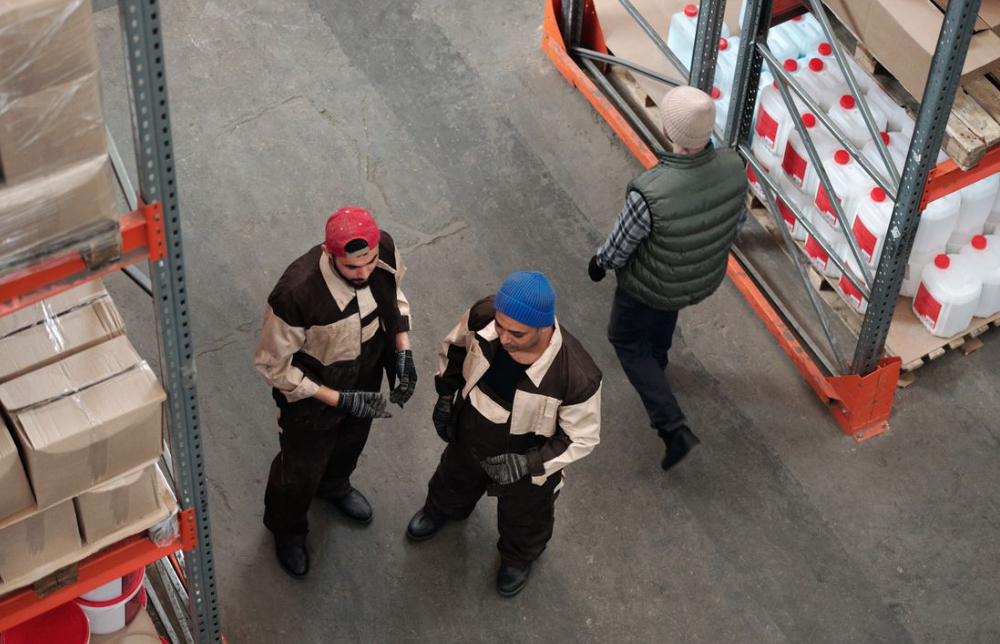
Product changes are one of the most common causes of crowdfunding delays. Backers may request new colors, stretch goals may add features, and creators may refine the product after funding.
Lock the Fulfillment-Relevant Details
Before mass production, freeze:
Product dimensionsProduct weight
Retail box dimensions
Accessory list
SKU list
Color or variant options
Manuals and inserts
Labeling requirements
Battery or power specifications
Packaging design
If these details keep changing, your fulfillment quote, shipping route, packaging plan, and backer survey may all become inaccurate.
For products with batteries, power components, magnets, liquids, or other sensitive goods, route planning must happen early. IATA provides lithium battery shipping guidance that explains why battery products require specific transport controls.
Step 3: Build a Realistic Fulfillment Timeline
Many campaigns create delays because the public delivery date is too optimistic. A good timeline includes buffers for production, inspection, warehouse receiving, packing, export, customs, and last-mile delivery.
Timeline Components
Include:
Final sample approvalMass production
Factory QC
Carton labeling
Supplier-to-warehouse transfer
Warehouse receiving
Inventory count
Kitting and add-on preparation
Packaging test
Batch fulfillment
Export handoff
International transport
Customs clearance
Last-mile delivery
Replacement shipments
Suggested Timeline Buffer
| Stage | Common Delay Risk | Suggested Buffer |
| Production | Material shortage, factory backlog | 2-4 weeks |
| QC | Defect correction or rework | 1-2 weeks |
| Warehouse receiving | Carton mismatch or SKU sorting | 3-7 days |
| Kitting | Complex reward combinations | 1-2 weeks |
| Shipping | Carrier congestion or customs | 1-4 weeks |
| Replacements | Lost or damaged parcels | Ongoing buffer |
The goal is not to scare backers with a long timeline. The goal is to avoid promising an unrealistic delivery date.
Step 4: Clean Backer Data Early
Backer data problems can delay thousands of parcels.
Data to Collect
A good backer survey should collect:
Full namePhone number where required
Full shipping address
Country
Postal code
Reward tier
Add-ons
Product variant
Language version
Shipping payment status
VAT or tax data where applicable
Common Address Problems
Common problems include:
Missing apartment numberWrong postal code
Unsupported characters
No phone number for countries that require it
Country mismatch
Old address
Incomplete city or province
Clean addresses before sending orders to the warehouse. Segment orders by country, reward tier, and shipping method.
For ecommerce fulfillment workflows, SendFromChina’s order fulfillment service is relevant for creators that need structured order data and shipment preparation.
Step 5: Create a Clear Reward Tier and SKU Map
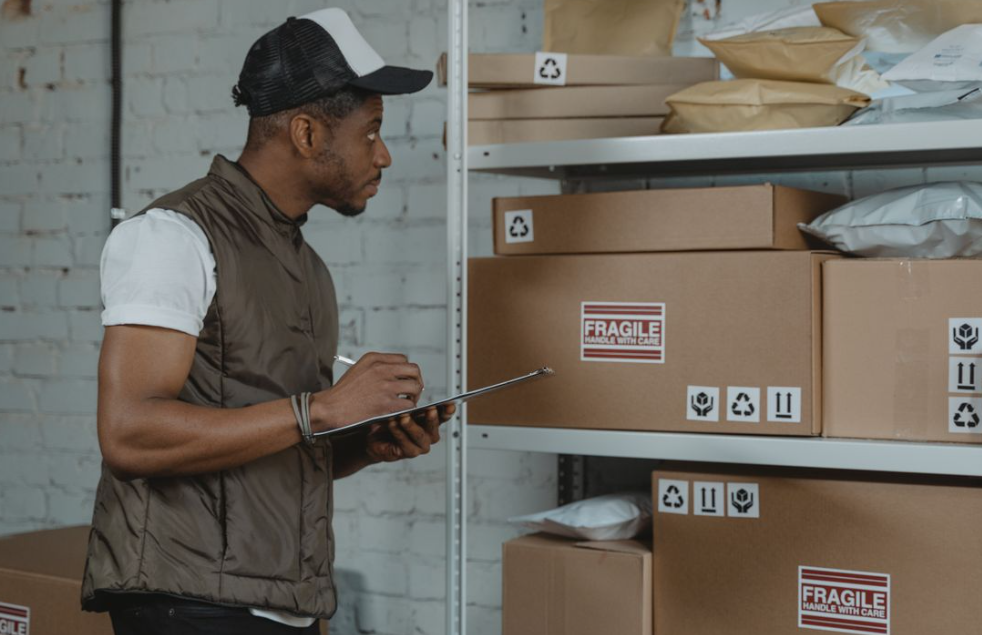
Crowdfunding campaigns become hard to fulfill when reward logic is unclear.
What to Include in a Reward Map
Your fulfillment partner needs:
SKU listProduct photos
Reward tier matrix
Add-on matrix
Bundle rules
Language or regional version rules
Stretch goal inclusion rules
Replacement part list
Packing rules
Priority shipment rules
Example Reward Tier Table
| Reward Tier | Included Items | Fulfillment Risk | Control Method |
| Basic | 1 main product | Low | SKU scan and standard pack |
| Deluxe | Main product + accessory | Medium | Bundle checklist |
| Collector | Main product + multiple add-ons | High | Kitting station and photo guide |
| Retailer pack | Multiple units | Medium | Carton-level packing |
| Regional version | Language or plug variant | High | Country and SKU validation |
For board games, electronics, gadgets, and multi-part products, reward tier clarity is essential.
SendFromChina’s board game fulfillment service is relevant for campaigns with expansions, components, accessories, and add-ons.
Step 6: Use QC Before Fulfillment Begins
QC delays are better than customer-facing delays. If products have defects, it is better to catch them before thousands of rewards ship.
QC Checks to Consider
Depending on the product, QC may include:
Carton countUnit count
Visual inspection
Accessory count
Function testing
Packaging inspection
Label checks
Component checks
Battery or charging checks
Sample drop test
For electronics, powered devices, and toys, creators should consider deeper QC because problems after delivery are expensive to solve.
If rewards require inspection, labeling, repacking, or kitting, SendFromChina’s value-added services can support pre-shipment preparation.
Step 7: Test Packaging Before Mass Fulfillment
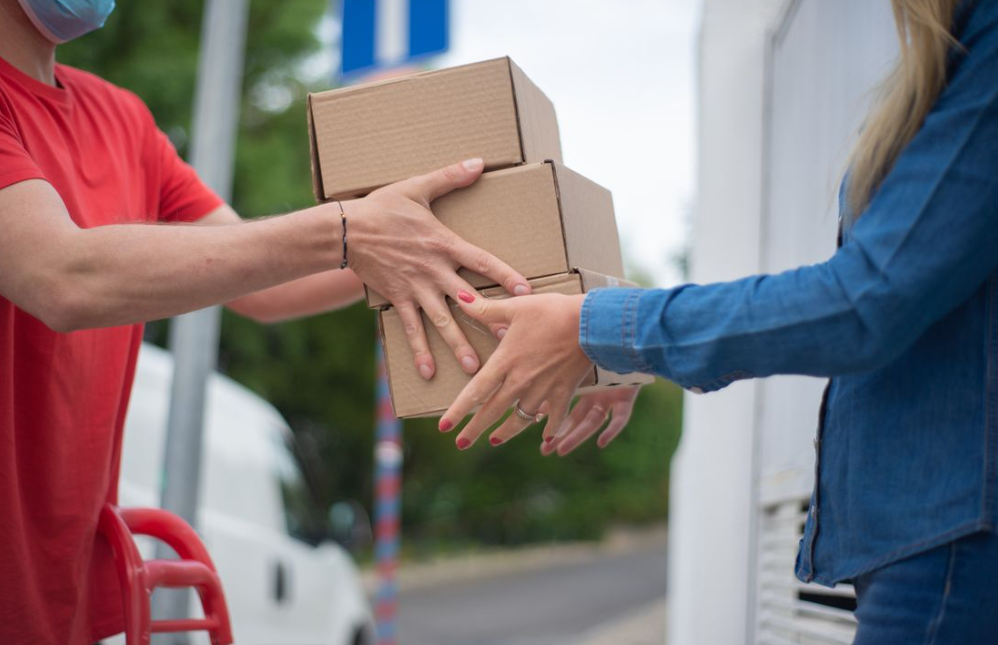
Packaging can cause delays if it is weak, too large, too small, or difficult to pack consistently.
What Packaging Must Do
Packaging should:
Protect the rewardKeep accessories together
Avoid excessive volumetric weight
Support labels and documents
Survive long-distance handling
Present the product professionally
Reduce replacement claims
Common Packaging Mistakes
Common mistakes include:
Using retail packaging as the shipping boxLeaving too much empty space
Not protecting corners
Using weak cartons for heavy products
Forgetting moisture protection
Failing to test sample shipments
SendFromChina’s packing materials resource can help creators plan packaging for cross-border delivery.
Step 8: Choose Shipping Routes Before Production Ends
Creators often wait too long to choose shipping routes. That creates delays after products are ready.
Compare Routes By
Compare:
Destination countryParcel weight
Parcel dimensions
Delivery speed
Tracking quality
DDP/DDU availability
Product restrictions
Customs process
Last-mile carrier
Remote area handling
Lost parcel process
SendFromChina’s multiple logistics solutions help creators compare international shipping options from China. The shipping cost calculator can help estimate shipping cost before final route selection.
Avoid One Global Route
One shipping route rarely works best for every country. Segment orders by region and product type. The best route for the US may not be best for Germany, Brazil, Canada, Australia, or the UK.
Step 9: Prepare Customs and Tax Data
Customs data problems are a common cause of delays.
Data to Prepare
Prepare:
Product descriptionDeclared value
Country of origin
HS code or classification where required
Battery status
Material information
Product restrictions
Recipient data
DDP or DDU terms
The World Customs Organization explains that the Harmonized System is used internationally for customs tariffs and trade statistics. This is why product classification matters for global reward shipping.
For EU VAT and ecommerce imports, creators and sellers can review the European Commission VAT One Stop Shop portal.
Step 10: Decide DDP vs DDU Early
DDP and DDU affect both cost and backer experience.
DDP
DDP means duties and taxes are handled upfront where available. Backers are less likely to receive surprise charges before delivery.
DDU
DDU means duties and taxes may be charged to the recipient at delivery. It can reduce upfront cost but may create complaints if backers did not expect extra charges.
Decision Table
| Factor | DDP May Be Better | DDU May Be Better | Control Method |
| Premium reward | Yes | Less ideal | SKU scan and standard pack |
| Price-sensitive campaign | Sometimes costly | More flexible | Bundle checklist |
| EU/UK backers | Often smoother | Risk of surprise charges | Kitting station and photo guide |
| Low-value reward | Depends on margin | Possible | Carton-level packing |
| Backer communication | Easier if included | Must be very clear | Country and SKU validation |
| Replacements | Lost or damaged parcels | Ongoing buffer | |
| Battery restrictions | Shipping route selection | Confirm product restrictions before launch | |
| Peak season congestion | Carrier networks | Build buffer time into the campaign schedule | |
| Poor communication | Backer updates | Share realistic timelines and tracking info |
Whatever you choose, explain it before shipping begins.
Step 11: Ship in Batches Instead of Waiting for Everything
Batch shipping can reduce delays if managed properly.
Useful Batch Methods
You may ship by:
Destination regionReward tier
Product type
Simple vs complex orders
DDP vs DDU routes
Early-bird vs standard backers
Batch shipping helps the warehouse process simpler orders first while resolving complex cases separately.
However, do not ship blindly. Batch logic should be communicated to backers so they do not assume they were forgotten.
Step 12: Track Fulfillment Progress
Creators need visibility during fulfillment.
Metrics to Track
Track:
Units receivedUnits passed QC
Orders ready to ship
Orders shipped
Tracking uploaded
Delivery exceptions
Address holds
Customs holds
Lost parcels
Replacement requests
SendFromChina provides shipment lookup through its tracking page, helping creators and backers monitor delivery status.
Step 13: Communicate Before Backers Ask
Crowdfunding backers can accept delays more easily when communication is clear and honest. Silence creates frustration.
What to Communicate
Communicate:
Production statusQC status
Warehouse receiving status
Fulfillment start date
Regional shipping waves
Tracking process
Customs expectations
Replacement policy
Known delays
Next update date
Avoid vague updates such as “shipping soon” if you do not have a confirmed handoff date.
Step 14: Keep Replacement Inventory
Even well-run campaigns have exceptions.
Replacement Inventory Covers
Keep spare units for:
Lost parcelsDamaged rewards
Missing parts
Wrong-item shipments
Returned parcels
Defective units
Customs returns
The replacement buffer depends on product value, complexity, destination mix, and expected loss/damage rate. Limited-edition rewards need extra care because replacements may be impossible after the campaign.
Step 15: Plan Around Peak Seasons
Peak-season congestion can create delays even when the creator does everything else correctly.
High-Risk Periods
High-risk periods include:
Chinese New Year production shutdownsQ4 holiday shipping peaks
Black Friday and Cyber Monday parcel volume
Local holidays in destination countries
Major carrier capacity shortages
Weather or port disruptions
Creators should avoid promising delivery dates that depend on perfect peak-season performance.
A 2026 Crowdfunding Fulfillment Operating Model
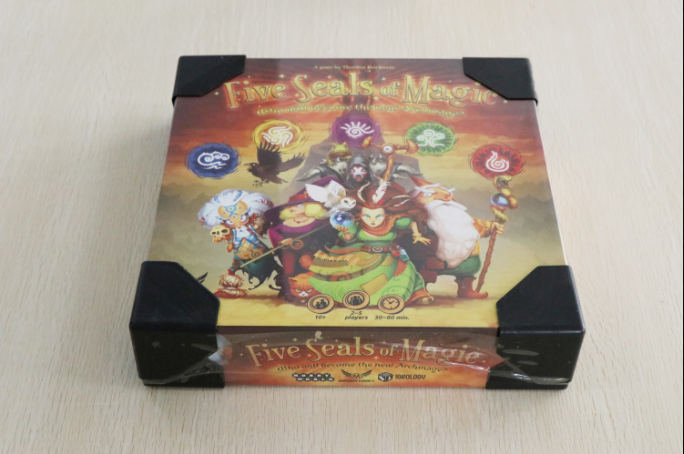
To avoid crowdfunding fulfillment delays in 2026, creators need a repeatable operating model rather than a loose list of tasks. The model should connect the campaign team, supplier, fulfillment center, shipping providers, and customer support team before inventory leaves the factory.
Phase 1: Pre-Launch Fulfillment Design
The first phase happens before the campaign goes live. The creator should define the reward structure, estimated carton size, estimated parcel weight, destination coverage, restricted-product risks, and shipping charge logic. This is also the right time to ask a fulfillment partner whether rewards can ship from China directly, whether some inventory should move to a regional warehouse, and whether DDP options are available for major markets.
For campaigns with manufacturing in China, early fulfillment design is especially useful because it keeps product, packaging, and shipping decisions connected. A small change in product dimensions can change parcel weight, packaging type, carrier options, and landed cost. If that change is discovered after production, the campaign may need to absorb unexpected costs or delay shipping while new packaging is sourced.
Phase 2: Production-to-Warehouse Handoff
The second phase begins when mass production is close to completion. At this stage, the creator should confirm SKU labels, master carton labels, carton counts, product photos, packing lists, and delivery appointments with the fulfillment center. The supplier should not send cartons with unclear markings or mixed SKUs unless the fulfillment partner has agreed to sort them.
A clean handoff prevents a common delay: inventory arrives at the warehouse, but the warehouse cannot receive it quickly because cartons are not labeled, quantities do not match the packing list, or reward components are mixed randomly. A fulfillment center can move faster when every carton is identifiable and every SKU has a clear pick-and-pack instruction.
Phase 3: Pilot Fulfillment Before Full Rollout
Before shipping thousands of parcels, creators should run a pilot batch. This can include a small number of domestic test shipments, team shipments, influencer shipments, or lower-risk backer shipments. The goal is to verify packaging, label placement, customs descriptions, tracking flow, and delivery performance before the full batch leaves the warehouse.
A pilot batch can reveal practical problems that spreadsheets miss. For example, a box may be strong enough for one item but weak when add-ons are included. A barcode may scan poorly if placed over a curved surface. A customs description may be too vague. A carrier route may reject a product because of batteries, liquids, magnets, or other controlled attributes. Finding these issues early can save weeks.
Phase 4: Global Batch Release
After the pilot batch is validated, the creator can release shipments by region, route, reward tier, or readiness. Many campaigns benefit from batching because not every destination has the same customs rules, transit time, or carrier capacity. Shipping all orders at once may look efficient, but it can make support harder if a problem affects every backer at the same time.
A common approach is to start with complete, simple reward tiers first, then move to complex bundles and special cases. This allows the fulfillment center to build momentum while the creator resolves exceptions. For global campaigns, batching by destination can also help creators provide more accurate tracking updates to backers.
Phase 5: Exception Handling and Aftercare
The final phase is aftercare. Even a well-planned campaign will have address changes, failed deliveries, lost parcels, damaged rewards, customs questions, and backer support tickets. The creator should prepare a replacement inventory plan, clear support templates, and a weekly exception report.
Fulfillment is not finished when the first tracking numbers go live. It is finished when most backers have received the correct rewards, support exceptions are under control, and replacement inventory has been used responsibly. This is why creators should budget for aftercare from the beginning instead of treating it as an unexpected cost.
China-Based Fulfillment Workflow for Crowdfunding Creators
When rewards are manufactured in China, a China-based fulfillment workflow can reduce delays by keeping production, QC, storage, kitting, and export shipping close together. Instead of moving all inventory to the creator's home country first, the creator can store rewards near the supply chain and ship globally from one operating hub.
| Workflow Stage | What Happens | Delay Prevention Benefit |
| Factory completion | Supplier finishes mass production and prepares cartons | Reduces long-distance movement before QC |
| Inbound receiving | Fulfillment center checks carton counts and SKU labels | Finds receiving issues before orders are picked |
| QC and sorting | Products, accessories, and bundles are checked | Prevents defective or incomplete rewards from shipping |
| Kitting | Reward sets, add-ons, inserts, and bundles are assembled | Reduces picking confusion during live fulfillment |
| Packaging | Parcels are packed with tested materials | Lowers damage and reshipment risk |
| Labeling | Shipping labels and customs data are generated | Reduces route rejection and customs holds |
| Dispatch | Orders are released by route, batch, or destination | Improves tracking control and support visibility |
Creators using this model should still compare direct-from-China shipping with regional warehousing when order volume is high in one market. For example, if a campaign has heavy demand in the United States or Europe, it may make sense to move bulk inventory to a local warehouse for part of the order base while still using China fulfillment for other regions. The right answer depends on product value, parcel size, delivery promise, tax strategy, and backer concentration.
SendFromChina can support this type of workflow through order fulfillment, value-added services, packing materials, and multiple logistics solutions. Creators can also use the shipping calculator during campaign planning and the tracking tool after parcels are dispatched.
Crowdfunding Fulfillment Delay Prevention Checklist
Use this checklist before mass fulfillment:
Product specs are frozenFinal packaging dimensions are confirmed
Backer data is cleaned
Reward tier map is complete
Add-on logic is documented
Supplier cartons are labeled
QC rules are defined
Packaging test is completed
Shipping routes are selected
DDP/DDU rules are decided
Customs data is ready
Replacement inventory is reserved
Fulfillment batches are planned
Tracking workflow is confirmed
Backer communication schedule is ready
Common Mistakes to Avoid
The second mistake is offering too many add-ons without considering kitting complexity.
The third mistake is ignoring packaging dimensions. Volumetric weight can make shipping more expensive than expected.
The fourth mistake is collecting incomplete backer data.
The fifth mistake is choosing shipping routes only by price.
The sixth mistake is not preparing replacement inventory.
The seventh mistake is communicating only after backers complain.
Final Thoughts
Crowdfunding fulfillment delays are usually preventable when creators plan early.
The strongest campaigns treat fulfillment as part of launch strategy. They freeze product specs, estimate shipping early, clean backer data, prepare SKU and reward maps, test packaging, choose routes, prepare customs data, plan DDP/DDU, ship in batches, track progress, and communicate clearly.
If rewards are manufactured in China, a China-based fulfillment provider can help creators receive production inventory, prepare rewards, pack orders, and ship globally from one hub.
To plan your campaign fulfillment workflow, review SendFromChina’s crowdfunding fulfillment service, Kickstarter fulfillment service, board game fulfillment service, multiple logistics solutions, or request a custom quote.
FAQ
Why do crowdfunding fulfillment delays happen?
Delays happen because of production changes, poor backer data, unclear reward tiers, QC problems, weak packaging, customs issues, shipping route problems, and peak-season congestion.
When should creators plan fulfillment?
Creators should plan fulfillment before campaign launch, then update the plan after funding, surveys, final product dimensions, and production details are confirmed.
How can creators reduce Kickstarter shipping delays?
Creators can reduce delays by freezing product specs, cleaning backer data, mapping rewards and add-ons, testing packaging, choosing routes early, preparing customs data, and communicating clearly.
Should crowdfunding rewards be shipped from China?
Shipping from China can be practical when rewards are manufactured in China and backers are global. It keeps inventory close to suppliers and supports worldwide delivery from one hub.
What is the biggest mistake in crowdfunding fulfillment?
The biggest mistake is treating fulfillment as a final step after production. Fulfillment decisions should influence campaign pricing, packaging, survey design, and timeline planning.
How much replacement inventory should creators keep?
The right buffer depends on product complexity, destination mix, value, and expected damage or loss risk. Creators should keep enough spare units to handle lost, damaged, or incomplete rewards.
Is DDP better than DDU for crowdfunding?
DDP can improve backer experience by reducing surprise charges, but it may cost more and may not be available for every route. DDU can work if backers are informed clearly.
 Post Views:2687
 TAGS:
TAGS:
Copyright statement: The copyright of this article belongs to the original author. Please indicate the source for reprinting.
Previous Post
TOP 7 Crowdfunding Fulfillment Companies in 2026
Next Post
TAGS
Hot Research
Recent News
Get Custom eCommerce Fulfillment Service
Book a Meeting
Get a Custom China Fulfillment Solution with FREE Storage for 30 Days
Want to know about our services, fees or receive a custom quote?
 Want to know about our services, fees or receive a custom quote?
Please fill out the form on the right and we will get back to you within a business day.
The more information you provide, the better our initial response will be.