Fulfillment costs look simple on a spreadsheet. A seller adds storage fees, pick-and-pack fees, packaging, and shipping postage, then assumes the margin is safe. The problem is that real ecommerce fulfillment is rarely that clean.
Hidden fulfillment costs appear in the operational details: inbound receiving, carton labeling, SKU sorting, long-term storage, oversized products, packaging waste, dimensional weight, address correction, remote-area delivery, customs delays, DDP/DDU choices, returns, replacement shipments, peak-season surcharges, platform integration work, and customer support exceptions.
These costs do not always look large one by one. A few cents for a label, a few dollars for a failed delivery, extra labor for a bundle, and higher shipping because of dimensional weight may seem manageable. But when multiplied across thousands of orders, hidden fulfillment costs can quietly erase profit.
This guide explains the hidden fulfillment costs ecommerce sellers often miss, how to identify them before they become expensive, and how a smarter fulfillment model can protect margins.
What Are Hidden Fulfillment Costs in Ecommerce?
Hidden fulfillment costs are expenses that are not obvious in the headline storage, pick-and-pack, or shipping quote. They may appear as separate line items, operational delays, avoidable labor, higher postage, lost inventory, customer refunds, or support workload.
Why Sellers Miss Hidden Fulfillment Costs
Sellers often miss these costs because they focus on the most visible fees:
Monthly storage rate
Pick-and-pack rate
Shipping label cost
Packaging material cost
Those are important, but they are not the whole picture. A product with low pick-and-pack fees can still be expensive to fulfill if it has high return rates, weak packaging, oversized dimensions, poor inventory data, or frequent address problems.
Visible vs Hidden Fulfillment Costs
| Cost Type |
Visible Cost |
Hidden Cost Sellers Often Miss |
| Storage |
Monthly pallet or bin fee |
Long-term storage, slow-moving SKUs, oversized storage |
| Pick and pack |
Per-order handling fee |
Extra SKU picks, bundle labor, special packing instructions |
| Shipping |
Carrier postage |
Dimensional weight, fuel surcharge, remote area, address correction |
| Packaging |
Box or mailer cost |
Void fill, damage reduction, branded packaging waste |
| Returns |
Return label |
Inspection, repacking, restocking, refund handling |
| Customs |
Duties and VAT |
HS code errors, DDP/DDU disputes, customs holds |
| Technology |
Platform integration |
Failed sync, manual order fixes, duplicate orders |
| Support |
Customer service tools |
WISMO tickets, delivery complaints, replacement shipments |
Hidden Inbound Receiving Costs Ecommerce Sellers Forget
Fulfillment begins before the first customer order ships. Inventory must arrive at the warehouse correctly. If suppliers send mixed cartons, missing labels, inaccurate packing lists, damaged goods, or unclear SKU information, the fulfillment center must spend extra time sorting the shipment.
Common Inbound Receiving Cost Triggers
Inbound receiving costs can increase when:
Cartons do not have SKU labels
Multiple SKUs are mixed in the same carton
The packing list does not match actual units
Products arrive without barcodes
Supplier cartons are damaged
Inventory arrives without an appointment
Products need inspection or counting
Units require relabeling before storage
These issues slow down receiving and can delay order fulfillment. A seller may think the warehouse is slow, but the real problem may be supplier handoff quality.
How to Reduce Inbound Receiving Costs
Before inventory leaves the factory, sellers should prepare:
SKU list
Product photos
Carton labels
Master carton count
Unit count per carton
Barcode requirements
Packing list
Warehouse delivery appointment
If inventory is manufactured in China, using a China-based fulfillment partner can reduce handoff friction. SendFromChina supports
order fulfillment, supplier receiving, SKU handling, and global shipping from China.
Hidden Warehouse Storage Fees and Inventory Carrying Costs
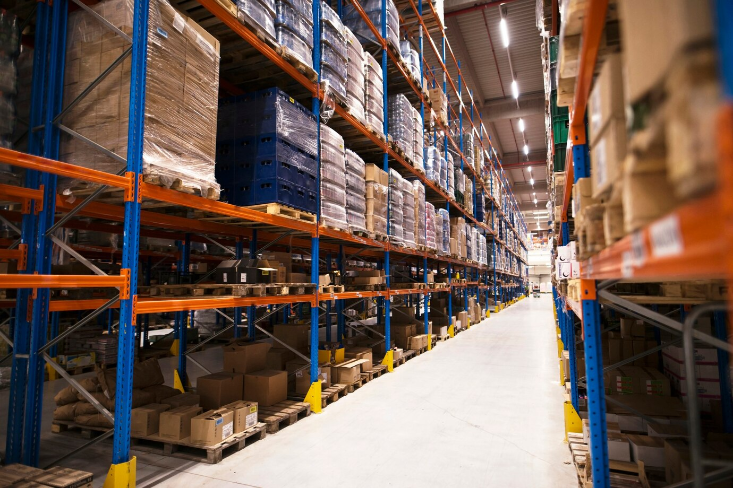
Storage is one of the easiest fulfillment costs to underestimate. Sellers often calculate storage based on expected turnover, but real inventory movement can be slower than planned.
Long-Term Storage Costs
Slow-moving SKUs increase monthly storage cost. This can happen when:
Demand forecast is too optimistic
Seasonal inventory misses the peak window
Product variants sell unevenly
Marketplace listings are delayed
Stock is blocked by compliance issues
Packaging or labeling is incomplete
Long-term storage is especially risky for bulky products. A large but slow-moving item can consume warehouse space and reduce margin even if the product has a high selling price.
Oversized and Awkward Product Storage
Products with irregular shapes, fragile parts, or large packaging may cost more to store and handle. Oversized items can also create higher shipping costs because carriers price by dimensional weight.
Sellers should not only ask, "What is the storage fee?" They should ask:
How do you calculate storage?
Is storage based on pallet, cubic meter, bin, or SKU?
Are oversized products charged differently?
Are there long-term storage fees?
How are slow-moving SKUs handled?
Can inventory be consolidated or repacked?
Hidden Pick and Pack Fees From SKU Complexity
Pick-and-pack fees can look simple, but order complexity changes the real cost. A one-item order is very different from a bundle with five SKUs, one insert, one custom box, and one product that must be scanned separately.
Why Multi-SKU Orders Cost More
Multi-SKU orders can add cost through:
Additional item picks
Extra scanning
Bundle assembly
Quality checks
Packaging decisions
Manual instructions
Error prevention
For ecommerce sellers, hidden pick-and-pack costs often appear after the catalog grows. A brand starts with one product, then adds colors, sizes, accessories, kits, sample packs, and replacement parts. Every variation increases operational complexity.
Hidden Fulfillment Costs in Bundles and Kitting
Bundles can improve average order value, but they must be planned carefully. A bundle that looks simple online may require warehouse labor to assemble, label, and pack correctly.
| Bundle Type |
Hidden Fulfillment Cost |
| Two-pack or three-pack |
Extra picking and packaging size changes |
| Gift set |
Assembly labor and branded packaging |
| Subscription box |
Kitting, inserts, and recurring SKU updates |
| Electronics kit |
Accessory verification and battery documentation |
| Apparel bundle |
Size/color matching and return complexity |
| Crowdfunding reward set |
Add-on mapping, inserts, and replacement planning |
SendFromChina's
value-added services can support kitting, labeling, bundling, repacking, and other warehouse tasks that sellers should budget before launch.
Packaging Costs Sellers Often Underestimate
Packaging is not only the cost of a box. It affects damage rates, shipping weight, dimensional weight, customer experience, returns, and brand perception.
Hidden Packaging Cost Drivers
Packaging costs can increase because of:
Oversized boxes
Excessive void fill
Fragile product protection
Branded inserts
Custom mailers
Protective sleeves
Waterproof bags
Product manuals
Compliance labels
Return instructions
Cheap packaging can also become expensive if it causes damage. A seller may save a few cents on materials but lose several dollars on replacement shipments and support tickets.
Dimensional Weight and Box Size
Dimensional weight is one of the most common hidden fulfillment costs. Carriers often charge based on the greater of actual weight and dimensional weight. This means a lightweight but bulky product can cost much more to ship than sellers expect.
How to Reduce Packaging-Related Hidden Costs
Sellers should:
Measure final product and packed dimensions
Test multiple box sizes
Avoid oversized packaging
Use product-specific protection
Run drop tests for fragile goods
Compare actual weight and dimensional weight
Standardize packaging by SKU
Track damage rates by product and route
SendFromChina's
packing materials can help sellers match packaging to product type and shipping route.
Hidden Shipping Costs Beyond the Label Price
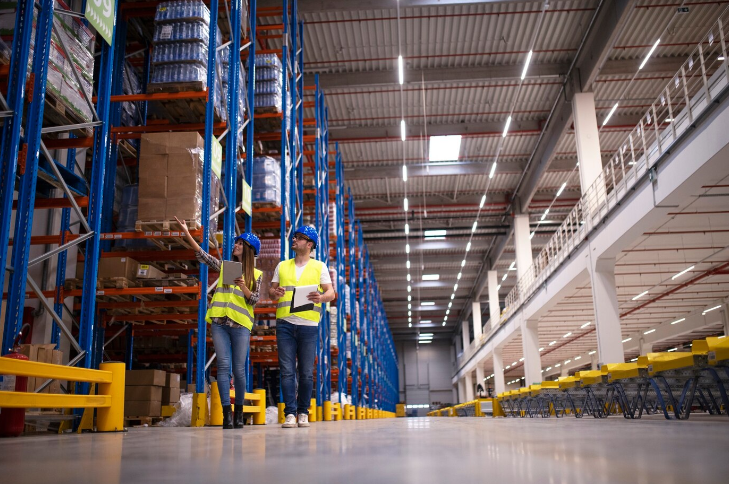
Shipping label cost is only the start. Carrier invoices may include additional fees based on destination, package size, delivery attempt, address quality, route, fuel, and service level.
Common Hidden Shipping Charges
Common shipping cost additions include:
Fuel surcharges
Remote area surcharges
Residential delivery fees
Address correction fees
Failed delivery fees
Oversize handling fees
Peak-season surcharges
Return-to-sender fees
Customs clearance fees
Signature fees
These fees can vary by country and carrier. A route that looks profitable in one market may be unprofitable in another.
Why One Shipping Route Is Not Enough
Many sellers lose money because they use one default route for every order. Different products and destinations need different service levels.
| Order Type |
Better Route Logic |
| Low-value lightweight product |
Economy route with acceptable tracking |
| High-value product |
Better tracking and delivery confirmation |
| Battery product |
Approved battery shipping route |
| Oversized item |
Route optimized for dimensional weight |
| Urgent replacement |
Faster service level |
| Remote destination |
Compare surcharge exposure before shipping |
SendFromChina's multiple logistics solutions help ecommerce sellers compare route options instead of relying on one carrier for every order. Sellers can also use the
shipping calculator for early cost estimates.
Hidden Customs, Duties, and Tax Costs
International ecommerce sellers often underestimate customs and tax costs. The issue is not only the amount of duties or VAT. The hidden cost is operational disruption when customs data is wrong.
HS Code and Declared Value Errors
The World Customs Organization explains that the Harmonized System is used to classify traded products. Sellers can review the WCO's official page on
what the Harmonized System is.
Incorrect HS codes or declared values can cause:
Customs delays
Extra duties
Parcel returns
Fines or penalties
Marketplace compliance issues
Customer complaints
Lost selling days
DDP vs DDU Costs
DDP means duties and taxes are handled before delivery. DDU means the customer may pay duties or taxes on arrival. DDP can improve customer experience, but it may increase seller-side cost and complexity. DDU can reduce upfront seller cost, but it may create surprise charges, refused parcels, poor reviews, and refund requests.
For EU sales, sellers should understand VAT rules and import models. The European Commission's
VAT One Stop Shop is a useful official starting point.
Customs Cost Checklist
Before shipping internationally, prepare:
HS code
Product description
Declared value
Country of origin
Material information
Battery information
Import tax strategy
DDP/DDU decision
Marketplace tax requirements
Destination-specific restrictions
Hidden Compliance and Restricted Product Costs
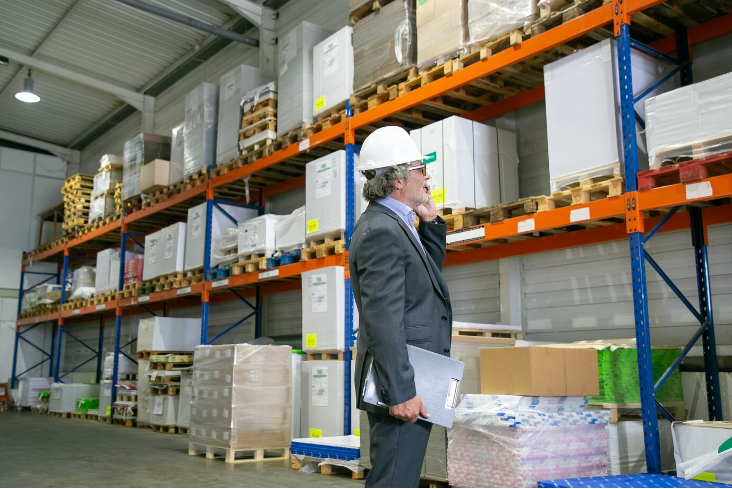
Product restrictions can create expensive fulfillment surprises. A product that is easy to sell online may be difficult to ship through certain routes.
Product Categories That Need Extra Review
Examples include:
Lithium batteries
Power banks
Electronics
Cosmetics
Liquids
Magnets
Toys
Food-contact products
Medical accessories
Sharp tools
Branded or licensed goods
Hidden Costs From Compliance Mistakes
Compliance mistakes can lead to:
Route rejection
Warehouse relabeling
Shipment holds
Higher shipping rates
Product returns
Marketplace listing suspension
Replacement shipments
Customer refunds
The cheapest route is not useful if the route cannot accept the product.
Hidden Return Costs Ecommerce Sellers Often Ignore
Returns are not just the cost of a return label. They create labor, inspection, restocking, repacking, disposal, refund handling, and customer support cost.
What Returns Really Cost
| Return Cost |
Why It Matters |
| Return shipping |
Can exceed outbound shipping for low-value products |
| Inspection |
Warehouse must decide whether item is resellable |
| Repacking |
Product may need a new box, label, or manual |
| Restocking |
Inventory must be updated accurately |
| Disposal |
Damaged goods may need to be written off |
| Customer support |
Return questions consume support time |
| Refund delay |
Slow return handling hurts customer experience |
Returns are especially expensive for apparel, electronics, fragile goods, and products with sizing or compatibility issues.
How to Reduce Return-Related Hidden Costs
Sellers should:
Improve product descriptions
Add size charts and compatibility notes
Use better packaging
Track return reasons
Separate damaged vs resellable returns
Keep replacement inventory for high-risk SKUs
Use clear return instructions
Decide whether returns should go to China, local warehouse, or disposal
Hidden Costs From Failed Delivery and Address Problems
Address problems are small data issues that create real fulfillment costs. A missing apartment number, invalid postcode, wrong phone number, or unsupported delivery area can create delays, fees, and customer complaints.
Common Address-Related Cost Triggers
Address problems include:
Invalid postal code
Missing house number
Missing apartment or unit number
Incorrect country format
Unsupported characters
Wrong phone number
Remote location
Customer moved after ordering
When delivery fails, the seller may pay for redelivery, return shipping, support time, or a replacement order.
How to Reduce Failed Delivery Costs
Use:
Address validation
Phone number validation
Clear checkout fields
Region-specific address formats
Pre-shipment address review for high-value orders
Tracking notifications
Customer support templates for delivery exceptions
The SendFromChina
tracking tool can help sellers and customers monitor shipment status after dispatch.
Hidden Costs From Stockouts and Split Shipments
Stockouts are not always counted as fulfillment costs, but they affect revenue and customer experience. Split shipments are another hidden cost: one order becomes two or three shipments because items are stored in different locations or one SKU is unavailable.
Why Split Shipments Hurt Margins
Split shipments can increase:
Postage
Packaging
Pick-and-pack labor
Tracking emails
Customer confusion
Support tickets
Refund risk
If a seller frequently splits orders, the product catalog or inventory allocation may need redesign.
How to Reduce Split Shipment Costs
Sellers should:
Keep commonly bundled SKUs in the same warehouse
Track attachment rate between products
Forecast accessory demand
Use safety stock for top SKUs
Avoid launching bundles before inventory is ready
Rebalance inventory before peak season
Hidden Peak-Season Fulfillment Costs
Peak season affects nearly every cost category. Warehouses are busier, carriers are congested, surcharge exposure is higher, and customer expectations are more sensitive.
Peak-Season Cost Risks
High-risk periods include:
Q4 holiday season
Black Friday and Cyber Monday
Chinese New Year supplier shutdowns
Summer demand spikes for seasonal products
Product launch campaigns
Marketplace sales events
Peak-season problems can create overtime labor, delayed receiving, higher shipping rates, missed delivery promises, and more support tickets.
How to Prepare for Peak Season
Sellers should:
Move inventory early
Confirm packaging before demand spikes
Freeze SKU changes
Pre-book capacity where possible
Use realistic delivery promises
Prepare replacement inventory
Monitor tracking exceptions daily
Communicate delays quickly
Hidden Technology and Integration Costs
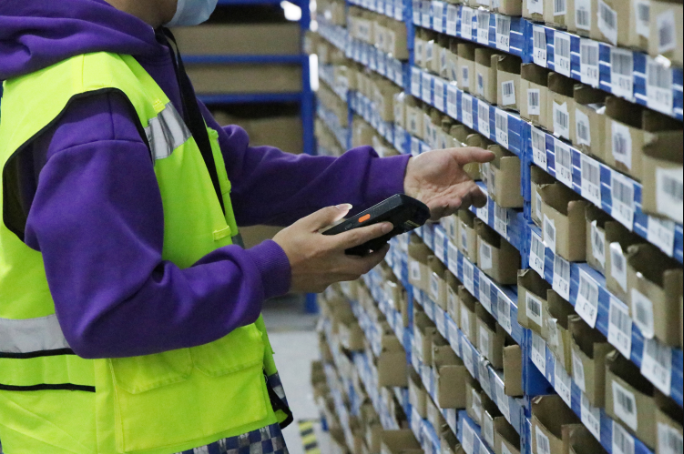
Fulfillment software can reduce errors, but it can also create hidden costs if data is messy. Order sync failures, duplicate orders, missing SKUs, unrecognized addresses, and incorrect product mapping can create manual work.
Common Integration Problems
Integration costs appear when:
SKUs are inconsistent across platforms
Bundles are not mapped correctly
Orders sync without phone numbers
Product weights are missing
Inventory is not updated in real time
Duplicate orders are imported
Canceled orders are still shipped
Tracking numbers are not pushed back to the store
These issues are especially common when sellers use multiple marketplaces, Shopify apps, spreadsheets, and manual order exports.
Data Fields Every Seller Should Control
Before onboarding with a 3PL, standardize:
SKU
Product name
Barcode
Variant name
Weight
Packed dimensions
HS code
Country of origin
Battery status
Product image
Bundle rules
Return status
Clean data reduces manual work and prevents fulfillment errors.
Hidden Customer Support Costs After Fulfillment
Fulfillment does not end when the parcel leaves the warehouse. Every tracking delay, failed delivery, damaged product, missing item, or unclear customs charge can become a customer support ticket.
WISMO: Where Is My Order?
WISMO tickets are one of the most common hidden costs in ecommerce. They happen when customers cannot see clear tracking or do not trust the delivery timeline.
WISMO tickets create cost through:
Support staff time
Refund requests
Discount offers
Replacement shipments
Negative reviews
Chargebacks
Better tracking, realistic delivery promises, and proactive communication reduce support cost.
Hidden Fulfillment Cost Calculator Framework
Sellers should calculate fulfillment cost per order using a complete model, not only the 3PL quote.
Fulfillment Cost Formula
A practical formula:
Total fulfillment cost per order = inbound receiving + storage allocation + pick and pack + packaging + shipping + customs/tax handling + returns allowance + replacement allowance + support cost + technology/admin cost
Example Cost Model
| Cost Component |
Example Question |
Hidden Cost Sellers Often Miss |
| Inbound receiving |
How much does it cost to receive, count, and label inventory? |
Long-term storage, slow-moving SKUs, oversized storage |
| Storage |
How much storage does each unit consume per month? |
Extra SKU picks, bundle labor, special packing instructions |
| Pick and pack |
Does each order include one SKU or multiple SKUs? |
Dimensional weight, fuel surcharge, remote area, address correction |
| Packaging |
Is the product charged by actual or dimensional weight? |
Void fill, damage reduction, branded packaging waste |
| Shipping |
Are there remote, fuel, or peak surcharges? |
Inspection, repacking, restocking, refund handling |
| Customs |
Who pays duties and taxes? |
HS code errors, DDP/DDU disputes, customs holds |
| Returns |
What percentage of orders come back? |
Failed sync, manual order fixes, duplicate orders |
| Replacements |
How many damaged or lost parcels need reshipping? |
WISMO tickets, delivery complaints, replacement shipments |
| Support |
How many tickets are created per 100 orders? |
|
| Admin |
How much manual work is needed to fix order data? |
|
How to Audit Hidden Fulfillment Costs in Your Unit Economics
Hidden fulfillment costs become easier to control when sellers review them at SKU level instead of only at store level. A store may look profitable overall, while one oversized SKU, high-return variant, or low-value bundle quietly loses money on every order.
Build SKU-Level Fulfillment Profitability
For each major SKU, calculate:
Selling price
Product cost
Inbound freight allocation
Storage allocation
Pick-and-pack cost
Packaging cost
Average shipping cost by destination
Average return cost
Average replacement cost
Payment and marketplace fees
Customer support allowance
Final contribution margin
This gives sellers a clearer view of which SKUs are truly profitable after fulfillment. It also helps identify products that need price changes, packaging redesign, route changes, or bundle restructuring.
Review 3PL Invoices Every Month
Many hidden costs are visible only after invoice review. Sellers should not only check the total amount. They should review line items and ask why costs changed.
| Invoice Line Item |
What to Check |
| Receiving fees |
Did supplier labeling or carton accuracy cause extra labor? |
| Storage fees |
Are slow-moving SKUs or oversized products increasing cost? |
| Pick fees |
Did multi-item orders or bundles increase handling? |
| Packaging fees |
Are boxes larger or more expensive than expected? |
| Shipping charges |
Did dimensional weight or surcharges increase postage? |
| Returns |
Which SKUs create the most return labor? |
| Special handling |
Are warehouse instructions too manual or inconsistent? |
| Adjustments |
Are there correction fees, rework fees, or exception charges? |
If a cost line rises for two or three months, treat it as an operational signal. A higher packaging cost may mean the product needs a smaller box. A higher return cost may mean the listing is unclear. A higher storage cost may mean demand planning is too optimistic.
Compare Cost by Destination, Not Only Average Cost
Average fulfillment cost can be misleading. A product may be profitable for US customers but unprofitable for remote European destinations. Another product may ship affordably to the UK but become expensive in Australia or Canada because of dimensional weight, taxes, or last-mile surcharges.
Sellers should group fulfillment cost by:
Country
Region
Product type
Shipping service level
Order value
Weight band
Package size
Return rate
This helps sellers decide where to adjust pricing, where to use faster or slower routes, and where to stop offering free shipping.
How China Fulfillment Can Reduce Hidden Fulfillment Costs
For sellers sourcing from Chinese suppliers, China fulfillment can reduce hidden costs by keeping inventory close to production, improving supplier handoff, and enabling global shipping from one hub.
Benefits of China-Based Fulfillment
China fulfillment can help sellers:
Receive inventory directly from factories
Inspect products before international shipping
Sort and label SKUs before storage
Kit bundles near the supplier
Avoid unnecessary bulk freight to one country
Choose different shipping routes by destination
Repack products before export
Keep replacement inventory near production
This is especially useful for sellers with global customers, seasonal products, crowdfunding rewards, electronics accessories, mobile accessories, apparel, and multi-SKU catalogs.
Questions to Ask a 3PL About Hidden Fulfillment Fees
Before choosing a fulfillment partner, ask:
What fees apply when inventory arrives without proper labels?
How do you calculate storage?
Are there long-term storage fees?
How are oversized products charged?
What is included in pick and pack?
What costs extra for bundles or kitting?
What packaging materials are included?
How do you calculate dimensional weight?
Are there remote area or fuel surcharges?
How do you handle failed delivery?
What happens when a parcel is returned?
How do you process damaged items?
How are tracking numbers shared?
What integration work is required?
What reports do you provide?
If a 3PL cannot answer these questions clearly, the quote may not reflect the real cost.
Hidden Fulfillment Cost Reduction Checklist
Use this checklist before launching or scaling a product:
Confirm final packed weight and dimensions
Compare actual weight vs dimensional weight
Prepare SKU labels and carton labels
Standardize product data across platforms
Create a clear bundle and kitting map
Test packaging before mass fulfillment
Confirm customs data and HS codes
Decide DDP vs DDU before shipping
Validate addresses before dispatch
Track return reasons by SKU
Keep replacement inventory for fragile or high-value products
Compare shipping routes by destination
Monitor carrier surcharges
Prepare peak-season inventory early
Review monthly 3PL invoices line by line
Final Thoughts: Hidden Fulfillment Costs Are Margin Leaks
Hidden fulfillment costs are not rare exceptions. They are normal parts of ecommerce operations that become expensive when sellers fail to plan for them.
The best way to control fulfillment cost is to design the operation before orders start flowing. That means measuring packed dimensions, confirming packaging, cleaning product data, mapping SKUs, planning customs data, choosing route logic, tracking returns, and reviewing every 3PL line item.
For sellers sourcing from China, the right fulfillment partner can reduce hidden costs by managing inventory closer to suppliers, improving warehouse preparation, offering multiple logistics routes, and supporting packaging, kitting, and tracking.
To review your China fulfillment strategy, shipping routes, packaging, or hidden cost risks, contact SendFromChina through the
contact page.
FAQ: Hidden Fulfillment Costs Ecommerce Sellers Often Miss
What are hidden fulfillment costs?
Hidden fulfillment costs are expenses that do not appear in the headline fulfillment quote. They include receiving problems, long-term storage, extra pick labor, packaging waste, dimensional weight, surcharges, customs issues, returns, replacements, and customer support costs.
Why do ecommerce fulfillment costs increase after scaling?
Costs increase after scaling because order complexity grows. Sellers add more SKUs, bundles, shipping destinations, packaging types, returns, customer support tickets, and warehouse exceptions.
What is the most commonly missed fulfillment cost?
Dimensional weight is one of the most commonly missed costs. Sellers often calculate shipping by actual product weight but forget that carriers may charge based on package size.
How can sellers reduce hidden 3PL fees?
Sellers can reduce hidden 3PL fees by preparing clean SKU data, labeling inventory correctly, testing packaging, reducing oversized boxes, validating addresses, planning returns, and reviewing invoices regularly.
Are returns part of fulfillment cost?
Yes. Returns include return shipping, inspection, repacking, restocking, disposal, refund handling, and customer support. These costs should be included in product margin calculations.
How does China fulfillment reduce hidden costs?
China fulfillment can reduce hidden costs by receiving inventory near suppliers, handling QC and kitting before export, optimizing packaging, and using multiple shipping routes for global customers.
What should I ask a 3PL before signing?
Ask about receiving fees, storage rules, long-term storage, oversized items, kitting fees, packaging costs, dimensional weight, shipping surcharges, returns, failed delivery, integrations, and reporting.





 Post Views:1754
 TAGS:
TAGS:
 Want to know about our services, fees or receive a custom quote?