




Table of Contents
Get Custom eCommerce Fulfillment Service
Book a Meeting
FedEx vs. UPS: Which One Is Cheaper?
Time: Feb 25,2026 Author: SFC Source: www.sendfromchina.com
In the world of global logistics and express delivery, two names dominate: FedEx and UPS. For businesses seeking reliable delivery partners—especially those shipping internationally or across the United States—the perennial question remains: Which one is cheaper? The answer isn’t one-dimensional. Costs vary based on package type, destination, service level, surcharges, seasonal pricing, negotiated discounts, and how a business ships regularly.

This deep-dive comparison unravels those complexities and helps you choose smartly—especially if you’re using a logistics partner like SendFromChina to manage shipments for your customers.
1. Why Cost Comparison Matters
Shipping costs directly affect your bottom line. Whether you’re fulfilling cross-border e-commerce orders to the U.S. or dispatching B2B parcels domestically, choosing the right carrier can make the difference between profit and loss.
FedEx and UPS are both global giants with comprehensive service portfolios. They price their services based on:
Package weight and dimensions
Destination zones
Delivery speed
Residential vs. commercial delivery
Declared value and insurance
Fuel and additional surcharges
This blog breaks down these pricing models, compares typical use cases, and offers actionable insights into which carrier may be cheaper for specific business needs.
2. How FedEx and UPS Price Their Services
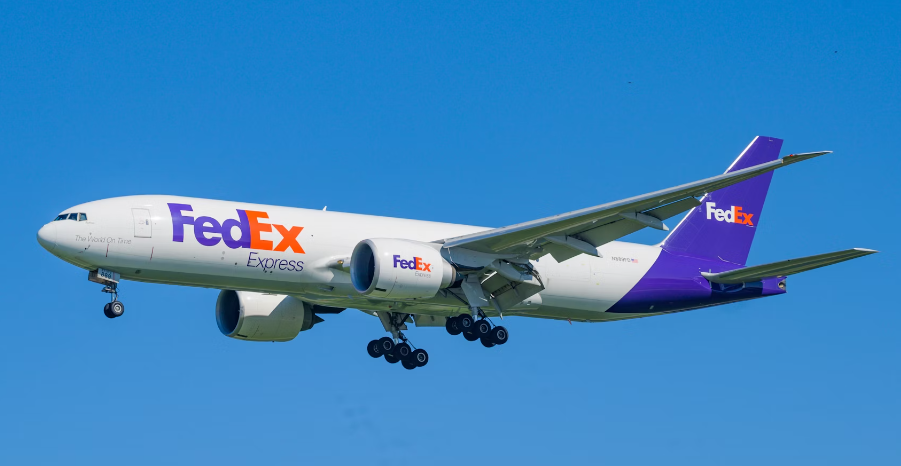
Before comparing specific costs, it helps to understand the pricing mechanics these carriers use.
Weight and Zone Pricing
Both FedEx and UPS calculate rates based on the weight of your package and how far it travels (zones). As a parcel moves across more zones, the cost increases. Dimensional weight (DIM weight) also plays a critical role: large but light packages can incur higher fees if they consume more space relative to weight.
Fuel and Miscellaneous Surcharges
Shipping prices aren’t static. Carriers regularly apply:
Fuel surcharges to account for volatile fuel costs
Residential delivery fees for home addresses
Additional handling fees for irregular or large packages
Payment and processing fees for specific billing methods
These can tack $5–$30 (or more) onto your base rates, depending on service and region.
Negotiated vs. Retail Rates
Both FedEx and UPS offer negotiated pricing tiers to high-volume shippers. Businesses that send hundreds of packages each month typically pay less per parcel than retail walk-ins. If discounts are negotiated through a 3PL or via third-party software (e.g., ShipStation, Pirate Ship), the actual costs may differ significantly from standard published rates.
3. Domestic Shipping: FedEx vs. UPS

When shipping within the United States (or within a large domestic area), you’ll most often compare FedEx Ground/Express and UPS Ground/Air.
Domestic shipping prices can vary significantly by delivery speed.
Ground Shipping Costs
Ground services are typically the most economical. They take longer—usually 1–5 business days—but cost less than air options.
Example rates (based on 5 lb package typical rates in 2025/2026 data):
| Service | UPS Ground | FedEx Ground |
| Delivery (2–5 days) | ~ $12.50 | ~ $14.20 |
In this comparison, UPS ground shipping is usually slightly cheaper than FedEx ground. This pattern holds across many weight brackets unless there are promotional discounts or special negotiated rates in place.
Express Shipping Costs
For faster same-day or next-day delivery, prices rise sharply:
| Service | FedEx Express | UPS Express |
| Priority Overnight | ~$26–$28 | ~$28–$30 |
Here, FedEx can be marginally cheaper for express-level services, but pricing varies significantly by route and exact delivery time.
3-Day and 2-Day Services
When inspecting mid-tier services such as 2-day or 3-day options, the gap narrows even more:
FedEx Express Saver and UPS 3 Day Select can be nearly comparable.
4. International Shipping Pricing Trends
International shipping introduces more variables: customs duties, brokerage fees, duties forwarding, and country-specific tariffs. According to recent logistics industry data, as of 2025:
FedEx international exports may be slightly less expensive than UPS in some routes.
UPS may have an edge on international imports in many regions.
These findings suggest bilateral cost differences that depend heavily on:
Origin and destination pairing
Speed requested (express vs. economy)
Customs clearance fees
Brokerage charges
In other words: for international shipments from China to the USA or EU, the cheapest option may change month to month—and depends on negotiated terms.
5. Which Shipments Are Cheaper with Each Carrier?

Now let’s look at typical shipment scenarios and where each carrier tends to save money.
Scenario: Lightweight Parcels (Under 5 lbs)
For light packages traveling longer distances, the USPS often beats both FedEx and UPS. But if you’re strictly comparing FedEx vs. UPS:
UPS Ground tends to be slightly more affordable than FedEx Ground.
For 2-day or 3-day delivery, prices are competitive, with minimal difference per parcel in many mid-tier zones.
Scenario: Express and Next-Day Delivery
FedEx often competes more aggressively on express pricing, especially for priority and overnight services.
However, UPS might beat FedEx on certain next-day routes—or if using discounted negotiated rates.
Generally, if speed is the priority rather than plain cost, FedEx’s express suite may offer better baseline pricing.
Scenario: Heavy or Bulky Packages
In many cases, UPS has historically quoted lower rates for heavier parcels due to its strong ground network and efficient long-haul fleet. This makes UPS Ground particularly appealing for heavier domestic shipments.
6. Real-World Pricing Examples
Here are a few real world costs from recent comparisons.
Domestic U.S. Parcel (3 lb)
From San Francisco to New York:
| Service | UPS | FedEx |
| Next Day Air | ~$138.95 | ~$160–$196 |
| 2nd Day Air | ~$65.16 | ~$77–$89 |
| Ground | ~$22.08 | ~$21.43 |
In this case, UPS is clearly cheaper for expedited air services, while FedEx may offer similar or slightly lower ground pricing—especially with negotiated accounts.
Short Distance Comparison
From Los Angeles to Las Vegas:
FedEx provided cheaper express prices for next-day and 2-day service in some examples.
UPS Ground remained the best option for slow, cost-effective delivery.
These sample snapshots reinforce a broader rule: UPS excels on ground, and FedEx is often more competitive on air/express services.7. Hidden Costs and Surcharges

A key variable rarely reflected in base rate tables: the plethora of surcharges that can creep up on your final invoice.
Common Surcharges Include:
Fuel surcharge
Residential delivery fee
Additional handling
Saturday delivery
Remote area delivery
Customs brokerage and duties forwarding (especially for international orders)
FedEx increased certain surcharges in 2026, including delivery area fees and processing fees that may add up to nearly $50 in added costs for some shipments.
Both carriers adjust their surcharges annually or in response to economic conditions. These fees can tip the balance of “which is cheaper” in either direction.
8. Negotiated Rates and Volume Discounts
If you run a business with high shipping volumes, don’t focus solely on publicly published rates. Both FedEx and UPS offer substantially discounted negotiated pricing for:
Monthly or yearly shipment quotas
Volume-based incentives
Contracted billing and faster payment terms
9. Strategic Tips for Choosing Between FedEx and UPS
Here are actionable tips to optimize shipping costs:
Compare Rates Per Shipment
Always use rate calculators for both carriers before purchasing labels.
Consider Service Level vs. Price
Cheap isn’t always best if late or unreliable. Sometimes paying a small premium for guaranteed delivery can reduce customer service headaches.
Use a 3PL or Shipping Software
Platforms aggregate volume and often deliver better pricing than individual accounts.
Audit Your Invoices
Check for misclassified zones or unnecessary fees regularly.
Negotiate Annual Contracts
If you ship regularly, annual contracts can yield significant savings.
10. Conclusion: FedEx vs UPS — Which Is Cheaper?
There’s no universal answer to which carrier is cheaper. In many standard domestic scenarios:
UPS often offers lower ground shipping rates.
FedEx can edge out UPS on express/priority services, depending on route and time commitment.
Internationally, the cost difference settles into nuanced patterns: UPS may offer better import pricing for some lanes, while FedEx can win on exports.
For most businesses, the cheapest solution is to calculate side-by-side quotes, leverage volume discounts, and choose service levels based on urgency and customer expectations.
11. FAQs About FedEx vs. UPS Costs
Is UPS always cheaper than FedEx?
Not always—but for ground shipping, UPS is often less expensive. Costs vary widely by weight and zone.
Which carrier is cheaper for express delivery?
FedEx frequently offers competitive express rates, though UPS may beat them on certain routes.
Do FedEx or UPS charge more for residential delivery?
Yes. Both apply residential surcharges but the amounts differ by service and location.
Does negotiating rates help?
Absolutely. Volume discounts through FedEx or UPS contracts often lead to significantly cheaper per-shipment costs.
Are international shipments cheaper with UPS or FedEx?
It depends on direction and destination: UPS may have an edge for imports, and FedEx can be more affordable on exports in some corridors.
 Post Views:2545
 TAGS:
TAGS:
Copyright statement: The copyright of this article belongs to the original author. Please indicate the source for reprinting.
Previous Post
Next Post
What Is Inventory Velocity? How to Calculate It and Increase Turnover Fast
TAGS
Hot Research
Get Custom eCommerce Fulfillment Service
Book a Meeting
Get a Custom China Fulfillment Solution with FREE Storage for 30 Days
Want to know about our services, fees or receive a custom quote?
 Want to know about our services, fees or receive a custom quote?
Please fill out the form on the right and we will get back to you within a business day.
The more information you provide, the better our initial response will be.