




Table of Contents
How to Handle Damaged Inventory in a China Fulfillment Center
Time: Sep 03,2026 Author: SFC Source: www.sendfromchina.com
Release only after inspection and authorized WMS approval. If the product is fine but packaging is not, controlled repacking and relabeling may recover most of its value.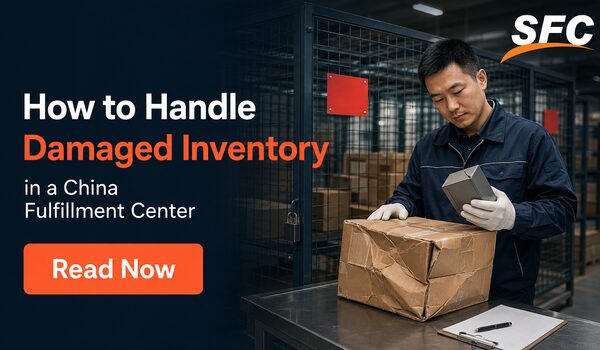
What Counts as Damaged Inventory?
|
Damage type
|
Typical examples
|
Likely first action
|
|
Outer carton damage
|
Crushed corner, puncture, water mark, torn tape, unstable pallet
|
Hold the carton and inspect inside
|
|
Retail-packaging damage
|
Dented gift box, torn sleeve, stained label, broken seal
|
Block from sale until repack or approval
|
|
Cosmetic product damage
|
Scratch, dent, stain, discoloration
|
Grade against an approved visual standard
|
|
Functional damage
|
Product fails, leaks, or lacks a component
|
Quarantine and test under an approved procedure
|
|
Safety or regulatory hold
|
Swollen battery, contamination, unknown odor, broken sterile seal
|
Isolate and escalate to a qualified reviewer
|
Where the Damage Appears Changes the Investigation
|
Stage
|
What to review
|
Possible source
|
|
Factory release
|
QC record, packing photos, carton specification, seal
|
Manufacturing or supplier packing
|
|
Inbound transport
|
Pickup record, delivery receipt, pallet and container condition
|
Freight handling, water, stacking
|
|
Receiving
|
Unloading photos, count, scan time, inspection record
|
Existing damage or unloading activity
|
|
Storage
|
Location history, pallet height, environment, task logs
|
Compression, falls, leakage, poor storage
|
|
Kitting and packing
|
Workstation record, operator scan, materials, final QC
|
Handling error or unsuitable packaging
|
|
Carrier handoff
|
Weight, dimensions, handoff scan, dispatch photo
|
Packing or later carrier handling
|
|
Customer return
|
RMA reason, photos, return packaging, serial number
|
Transit, use, fraud, or original defect
|
The Six-Step Damaged Inventory Workflow

Step 1: Stop the Inventory From Moving
- pausing receiving and putaway;
- blocking allocation to open orders;
- stopping picking or packing;
- holding a shipment before carrier handoff;
- preventing returned stock from going back to saleable inventory;
- isolating nearby units when leakage, odor, contamination, pests, or heat could spread.
Customer Returns and Failed Deliveries
Put Damaged Inventory Rules Into the 3PL SLA
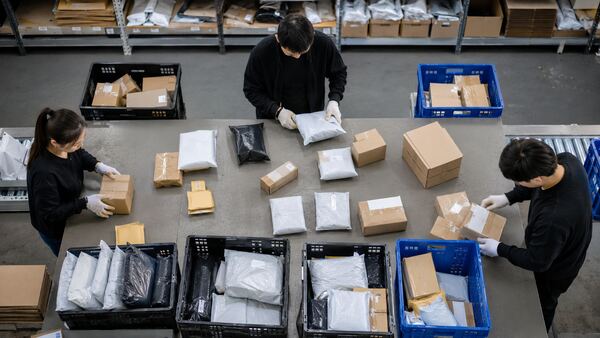
Copyable Damage Incident Report
|
Field
|
What to record
|
|
Incident ID
|
Unique case number linked to WMS activity
|
|
Discovery
|
Date, time, zone, process stage, operator
|
|
Inventory
|
Client, SKU, product, PO or ASN, shipment ID
|
|
Traceability
|
Lot, batch, serial, expiry where applicable
|
|
Quantity
|
Received, inspected, affected, potentially affected, saleable
|
|
Condition
|
Carton, retail pack, product, components, seals, labels
|
|
Evidence
|
Photo and video files, receipt, scans, weight data
|
|
Immediate action
|
Movement stopped, quarantine location, nearby stock held
|
|
Possible source
|
Supplier, carrier, warehouse, return, or unknown
|
|
Decision owner
|
Brand, 3PL, supplier, insurer, or named approver
|
|
Deadline
|
Notice, claim, inspection, and disposition dates
|
|
Resolution
|
Release, repack, rework, return, claim, recycle, destroy
|
Step 4: Inspect, Grade, and Review Responsibility
|
Grade
|
Illustrative condition
|
Normal route
|
|
0
|
No damage after inspection
|
Release with approval
|
|
A
|
Shipping pack affected; retail pack and product pass
|
Replace outer packaging if needed
|
|
B
|
Retail pack damaged; product passes
|
Repack, relabel, or approved channel
|
|
C
|
Cosmetic or repairable product damage
|
Rework, repair, seconds, or supplier return
|
|
Critical hold
|
Failure, leakage, contamination, swelling, broken safety seal
|
Isolate; no release without qualified approval
|
Responsibility Is an Evidence Question
Step 5: Choose the Right Disposition
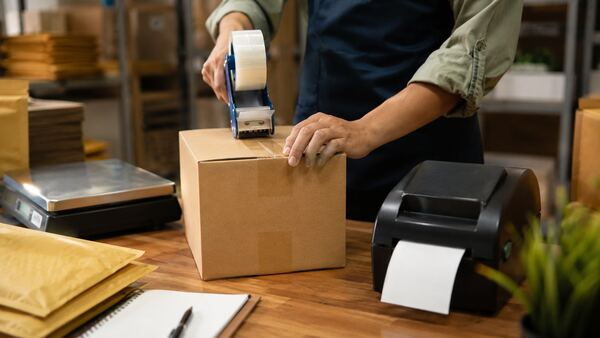
Common Damaged Inventory Mistakes
|
Mistake
|
What goes wrong
|
Better control
|
|
Leaving damage in a saleable location
|
It gets picked or counted
|
Physical and WMS quarantine
|
|
Updating the shelf but not the system
|
Channels oversell
|
Synchronize blocked quantity
|
|
Discarding packaging
|
Claim evidence disappears
|
Preserve it until authorized release
|
|
Taking only a close-up photo
|
Cause and shipment identity stay unclear
|
Capture context, labels, packing, product
|
|
Assigning blame immediately
|
The wrong party is charged
|
Review handoff and contract evidence
|
|
Using one grade for every SKU
|
Unsafe or channel-poor decisions occur
|
Product-specific grading
|
|
Waiting indefinitely
|
Storage rises and records stay messy
|
Owner, deadline, escalation
|
|
Restocking returns without inspection
|
Used or defective units ship again
|
Controlled return inspection
|
|
Writing off without recovery review
|
Credits or claims are missed
|
Review recovery before closure
|
|
Fixing units but not the cause
|
The incident repeats
|
Verified corrective action
|
A Practical 30-Day Control Plan
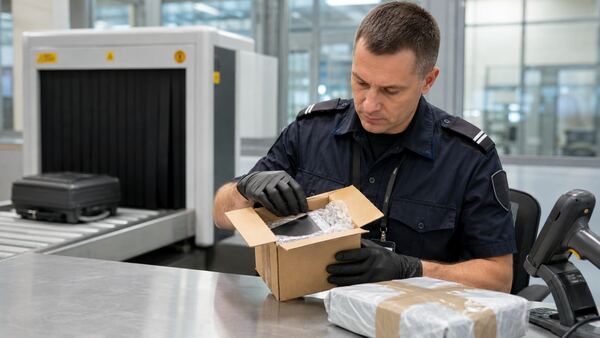
Rework or Repair
Return to the Chinese Supplier
Sell as Seconds, Donate, Recycle, or Destroy
Step 6: Recover Value and Prevent the Next Incident
- supplier used a single-wall carton instead of the approved double-wall carton;
- bottle caps loosened because no seal was fitted;
- pallet overhang crushed lower cartons;
- heavy SKUs were stored above fragile units;
- void fill did not match product weight;
- the picker used the wrong mailer;
- WMS allowed a held lot to allocate;
- return inspection did not verify serial numbers.
Handling Damage at Each Fulfillment Stage

Supplier-to-Warehouse Receiving
Storage, Movement, and Kitting
|
SLA clause
|
What it should define
|
Evidence or commercial rule
|
|
Damage categories
|
Carton, retail pack, cosmetic, functional, critical
|
Product examples and photos
|
|
Notification
|
Events, contacts, and urgency
|
Same-day target for critical events, if agreed
|
|
Quarantine
|
Physical area and WMS statuses
|
No allocation while blocked
|
|
Evidence pack
|
Photos, video, count, lot, serial, documents
|
Required before repack or disposal
|
|
Inspection authority
|
Who may open, test, grade, or sample
|
Written instructions
|
|
Disposition authority
|
Who may release, return, adjust, or destroy
|
Approval matrix and value limits
|
|
Response deadline
|
Time for client or supplier decisions
|
Escalation and aging process
|
|
Fees
|
Inspection, storage, repack, return, disposal
|
Rate and billing unit
|
|
Liability and claims
|
Process, exclusions, limits, deadlines
|
Notice and evidence requirements
|
|
Reporting
|
Damage rate, aging, recovery, repeat incidents
|
Denominator and reporting cycle
|
Damaged Inventory Costs Brands Often Miss
|
Cost area
|
What may be charged or lost
|
|
Inspection
|
Carton opening, unit checks, testing, sorting
|
|
Documentation
|
Photos, video, reports, claim administration
|
|
Storage
|
Quarantine space and long-aging stock
|
|
Remediation
|
Labor, boxes, labels, inserts, parts, cleaning
|
|
Transport
|
Supplier return, redelivery, replacement shipment
|
|
Disposition
|
Recycling, destruction, certification, specialist handling
|
|
Commercial loss
|
Write-off, refund, replacement, lost margin, penalties
|
|
Recovery delay
|
Cash tied up while credit or claim remains open
|
Damage KPIs Worth Tracking
- damaged units per 1,000 units received;
- damaged units per 1,000 units shipped;
- damage cost by SKU, supplier, carrier, and route;
- customer damage complaints per 1,000 delivered orders;
- average hours to quarantine;
- average days to disposition;
- value and quantity aging in quarantine;
- claim approval rate;
- recovered value as a percentage of claimed value;
- repack or rework success rate;
- repeat incident rate after corrective action.
Damaged Inventory Checklist
- Stop receiving, putaway, allocation, picking, or restocking as needed.
- Apply physical and WMS quarantine.
- Identify affected and potentially affected stock.
- Preserve photos, video, packaging, labels, and handoff documents.
- Record SKU, quantity, lot, serial, expiry, condition, time, and location.
- Leave the cause unassigned until evidence is reviewed.
- Use product-specific inspection and grading rules.
- Update available-to-sell inventory across connected systems.
- Assign a decision owner and deadline.
- Evaluate supplier, carrier, warehouse, and insurance recovery.
- Confirm safety, legal, tax, customs, and disposal rules where relevant.
- Record the approved disposition and adjustment.
- Complete root-cause analysis and verify corrective action.
- Review SLA fees, responsibilities, and repeat-damage KPIs.
Conclusion
FAQs
What should a fulfillment center do when inventory arrives damaged?
Should damaged inventory be included in available stock?
Who is responsible for damaged goods at a China fulfillment center?
What evidence is needed for a damaged inventory claim?
Can damaged retail packaging be repacked and sold?
How long should damaged stock remain in quarantine?
Can damaged inventory be returned to a Chinese supplier?
How should customer-returned damaged goods be handled?
What damaged inventory fees can a China 3PL charge?
How can ecommerce brands reduce product damage in fulfillment?
 Post Views:37
 TAGS:
TAGS:
Copyright statement: The copyright of this article belongs to the original author. Please indicate the source for reprinting.
Previous Post
Ecommerce Inventory Migration Checklist for Moving to a China 3PL
Next Post
Inventory Accuracy KPI: What Percentage Should an Ecommerce 3PL Achieve?
TAGS
Hot Research
Recent News
Get a Custom China Fulfillment Solution with FREE Storage for 30 Days
Want to know about our services, fees or receive a custom quote?
 Want to know about our services, fees or receive a custom quote?
Please fill out the form on the right and we will get back to you within a business day.
The more information you provide, the better our initial response will be.