




Table of Contents
Get Custom eCommerce Fulfillment Service
Book a Meeting
China to Europe Fulfillment: What Ecommerce Sellers Need to Know
Time: Jul 17,2026 Author: SFC Source: www.sendfromchina.com
Europe is a strong market for ecommerce sellers.
Customers buy across borders. Niche products can find demand in several countries at once. A brand can receive orders from Germany, France, Italy, Spain, the Netherlands, Poland, Sweden, and other EU markets from one online store.
That opportunity also creates a logistics problem.
Europe is not one delivery address. It is a group of countries with different VAT rates, languages, postal formats, customer expectations, return habits, and product compliance rules. A parcel can leave China on time and still fail if the customs data is weak, VAT is handled poorly, the route does not support the product, or the customer gets a surprise tax bill.
China to Europe fulfillment is the process of storing, preparing, packing, and shipping ecommerce orders from China to European customers. It can be a flexible model when products are made in China and demand is spread across several European markets.
But it needs a real strategy.
This guide explains what ecommerce sellers need to know before shipping from China to Europe. It covers fulfillment models, shipping routes, EU VAT, IOSS, customs reform, DDP and DAP terms, packaging, product compliance, returns, and when to use a European warehouse.
This article is for operational planning only. It is not tax, customs, or legal advice. EU rules can change, and each seller's setup matters. Confirm your specific structure with a qualified VAT adviser, customs broker, or legal adviser before launch.
What Is China to Europe Fulfillment?
China to Europe fulfillment means using a China-based warehouse or 3PL to handle ecommerce orders for customers in Europe.
The process usually includes:
Checking cartons and SKU quantities
Storing inventory in China
Syncing orders from ecommerce platforms
Picking the right SKU and quantity
Packing the parcel
Preparing shipping labels and customs data
Choosing the right shipping route
Sending parcels to European customers
Uploading tracking
Handling delivery exceptions, returns, and replacements
This is different from factory shipping. A factory is built to produce goods. A fulfillment warehouse is built to process repeat orders with SKU control, packing rules, carrier options, tracking, and exception handling.
For brands that source from several Chinese suppliers, China fulfillment can also act as a consolidation point. Products, inserts, accessories, and packaging can arrive from different suppliers, then ship as one customer order.
SendFromChina's order fulfillment service supports this type of workflow with receiving, storage, pick and pack, and global dispatch from China.
Why Ecommerce Sellers Use Fulfillment from China to Europe

Many ecommerce products sold in Europe are manufactured in China. This includes electronics, mobile accessories, apparel, home goods, beauty tools, toys, smart devices, outdoor products, pet products, and crowdfunding rewards.
When inventory is already in China, shipping every item to a European warehouse before demand is proven can be risky. It ties up cash. It creates import work. It can also leave stock stuck in the wrong market.
China Fulfillment Keeps Inventory Close to Suppliers
Keeping stock in China gives sellers more control before export.
You can:
Check quantities before dispatch
Fix packaging problems early
Add inserts or labels
Build bundles
Hold replacement stock near production
Ship to several countries from one inventory pool
This can be useful for new products, seasonal launches, Kickstarter or Indiegogo rewards, and brands testing Europe for the first time.
China Fulfillment Helps Test European Markets
Europe is not a single demand pattern.
Germany may buy one SKU. France may prefer a different color. Spain may respond better to bundles. The Netherlands may have stronger repeat orders. If you bulk import too early, you may guess wrong.
With China to Europe fulfillment, sellers can test demand before committing large quantities to a local EU warehouse.
For a broader view of this model, see the guide on why ecommerce brands use China fulfillment centers to ship worldwide.
China to Europe Fulfillment Models for Ecommerce Sellers
There are three common models. Each has a different cost, speed, and inventory profile.
|
Fulfillment Model
|
Best For
|
Main Tradeoff
|
|
Direct parcel shipping from China
|
Testing European demand, low to medium order volume, many destination countries
|
Slower than local delivery and needs strong customs data
|
|
Bulk import to EU warehouse
|
Stable high-volume SKUs, faster delivery promise, easier local returns
|
Higher upfront inventory commitment and import planning
|
|
Hybrid China plus EU fulfillment
|
Mature sellers with both fast-moving and long-tail SKUs
|
Requires clean inventory routing and stock planning
|
Direct Shipping from China to European Customers
Direct shipping is the simplest starting point. The seller stores inventory in China, then ships each order to the customer in Europe.
This model works well when:
Orders are spread across many EU countries
Demand is still being tested
The seller wants to avoid early EU overstock
The product has manageable return risk
Delivery expectations are clearly explained
The key weakness is speed. Direct shipping from China is usually slower than local EU fulfillment. It also needs better customs data and clear tax terms.
Bulk Import to a European Warehouse
Bulk import means moving inventory from China into the EU first. The goods are cleared in bulk, stored in a European warehouse, and shipped locally after orders arrive.
This model can help when:
Customers expect faster delivery
Returns are common
The product is heavy or high value
Local delivery speed affects conversion
The seller wants a stronger EU customer experience
The risk is inventory commitment. If demand changes, stock may sit in a European warehouse and create storage cost.
Hybrid China and Europe Fulfillment
Many sellers eventually use a hybrid model.
Fast-moving SKUs sit in a European warehouse. Long-tail SKUs stay in China. Replacement units stay near suppliers. New products launch from China first, then move to Europe after demand is proven.
This model gives balance. It can improve delivery speed in core markets while keeping flexibility for new products and smaller countries.
The guide on China fulfillment vs US fulfillment explains a similar inventory tradeoff that also applies to Europe.
How China to Europe Fulfillment Works Step by Step
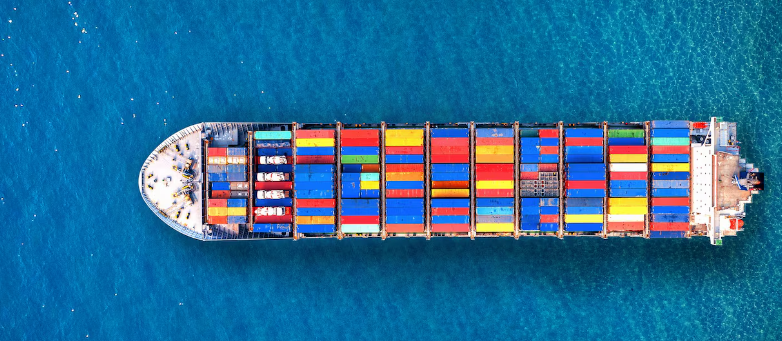
The workflow is simple on paper. Each step still needs clear ownership.
Step 1: Supplier Sends Stock to the China Warehouse
The supplier sends finished products to the fulfillment warehouse in China.
Before the shipment arrives, the seller should provide:
Product photos
Carton count
Packing list
Expected arrival date
Batch or version details
Special handling rules
This prevents receiving delays.
Step 2: Warehouse Receives and Checks Inventory
The warehouse checks inbound cartons, records quantities, and stores stock by SKU.
If the supplier sends mixed cartons or unclear labels, receiving takes longer. That can delay the first shipment to Europe.
Strong inbound control matters because later mistakes often start here.
Step 3: Orders Sync from the Ecommerce Store
Orders can come from Shopify, WooCommerce, Amazon, eBay, Etsy, crowdfunding pledge tools, or a custom store.
The warehouse needs:
Address
Phone number where required
Product SKU
Quantity
Declared value
Shipping method
Tax or duty handling rule
Customs description
For WordPress stores, the article on WooCommerce fulfillment from China explains how order data, shipping zones, and tracking connect to a China warehouse workflow.
Step 4: Pick, Pack, and Prepare Customs Data
The warehouse picks the right SKU, packs the parcel, prints the label, and prepares shipment data.
Customs data should include clear product descriptions, values, country of origin, and HS or commodity codes where required. Vague descriptions like "gift," "accessory," or "parts" can cause delays.
The Harmonized System from the World Customs Organization is the basis for many product classification systems. Sellers should treat classification as a planning task, not a last-minute warehouse question.
Step 5: Parcel Moves Through Export, Line Haul, Import, and Last Mile
The parcel leaves China, clears export, moves by air or other transport, enters Europe, clears import, and passes to a local last-mile carrier.
Tracking should be shared with the customer. SendFromChina's tracking page can help customers follow shipments after dispatch.
EU VAT, IOSS, and Customs Rules for China to Europe Shipping

VAT and customs are not small details in Europe. They affect checkout price, delivery experience, and customer trust.
The European Commission's VAT One Stop Shop page explains that EU cross-border B2C ecommerce VAT rules changed from 1 July 2021. The import VAT exemption for small consignments up to EUR 22 was removed, so goods imported into the EU are subject to VAT.
What IOSS Means for Low-Value Orders
The Import One Stop Shop, or IOSS, was created to simplify VAT declaration and payment for distance sales of imported goods not exceeding EUR 150.
In practical terms, IOSS can allow eligible sellers or deemed suppliers to collect VAT at checkout and declare it through one EU Member State. This can reduce the chance that the customer is asked to pay VAT when the parcel arrives.
IOSS does not apply to all products or all cases. Goods subject to excise duties are excluded. Orders above EUR 150 are outside the low-value IOSS scope. Sellers should confirm their setup with a VAT adviser.
What OSS Means for Local EU Fulfillment
OSS is different from IOSS.
IOSS is for eligible imported goods not exceeding EUR 150. OSS is commonly relevant when goods are already in the EU and sold cross-border to consumers in other EU Member States.
If you bulk import stock into the EU and ship from a European warehouse, your VAT setup may change. You may need local VAT registration, OSS reporting, or other filings depending on where stock is held and where customers are located.
EU Customs Reform Adds More Pressure
The European Commission's EU Customs Reform page states that the Council agreed to remove the de minimis customs duty exemption and impose a temporary customs duty of EUR 3 per item from 1 July 2026 until 1 July 2028. The reform also moves toward a more data-driven customs system and stronger platform responsibility.
For ecommerce sellers, the direction is clear:
Customs data quality matters more.
Platforms and import structures may face more responsibility.
Direct parcel shipping into the EU may become more expensive.
Bulk import plus local fulfillment may become more attractive for some SKUs.
For a deeper article on this topic, see EU customs reform 2026.
DDP vs DAP for China to Europe Fulfillment
Delivery terms shape the customer experience.
The International Chamber of Commerce publishes Incoterms rules, which define seller and buyer responsibilities in international trade. Ecommerce sellers often use DDP and DAP as practical terms for cross-border delivery planning.
|
Term
|
What It Means for Customers
|
Seller Consideration
|
|
DDP
|
Duties and taxes are handled before delivery, so customers are less likely to face surprise charges
|
Seller must build taxes, duties, and handling costs into pricing
|
|
DAP
|
Parcel is delivered to the destination, but customer may need to pay import charges before release
|
Checkout can look cheaper, but refusals and complaints may rise
|
|
Local EU fulfillment
|
Customer receives a domestic or intra-EU shipment after bulk import
|
Faster delivery, but requires EU inventory and VAT planning
|
When DDP Shipping from China to Europe Makes Sense
DDP can make sense when:
The product has enough margin to absorb landed cost
The market has low tolerance for surprise charges
The seller wants fewer refused parcels
The route supports stable tax and duty handling
DDP is not a shortcut. It needs accurate product data, declared value, HS code support, and clear importer responsibilities.
For a practical breakdown, read DDP shipping from China.
When DAP Can Still Work
DAP can work when customers understand that import charges may apply. It may also fit B2B orders, samples, or markets where buyers are used to paying taxes on import.
But for DTC ecommerce, DAP can hurt trust if it is not explained before checkout. A customer who pays at checkout and then receives another carrier invoice may refuse delivery.
The best choice depends on product value, market expectations, route availability, and margin.
Shipping Options from China to Europe
Sellers should not ask only, "What is the cheapest way to ship to Europe?"
A better question is, "Which route matches this product, destination, delivery promise, customs setup, and customer expectation?"
|
Shipping Option
|
Best For
|
Watch Out For
|
|
Economy tracked parcel
|
Low-cost, lightweight products
|
Longer transit and weaker support after export
|
|
Dedicated ecommerce line
|
Regular B2C parcels to main EU markets
|
Route rules, weight bands, and product restrictions
|
|
Express courier
|
Urgent, high-value, or B2B orders
|
Higher cost and dimensional weight
|
|
DDP ecommerce route
|
Better customer experience for tax-sensitive markets
|
Needs accurate data and landed-cost pricing
|
|
Bulk freight plus EU warehouse
|
High-volume SKUs and faster delivery
|
Inventory commitment and VAT/import planning
|
Economy Routes for Lightweight Orders
Economy routes can work for small, low-value items. They help keep shipping costs under control.
The tradeoff is speed. Delivery may take longer, tracking can be less detailed, and customer support may be harder when parcels slow down.
Use clear delivery estimates. Do not make economy shipping sound like local delivery.
Dedicated Ecommerce Lines for Scalable European Orders
Dedicated ecommerce lines can be a good middle ground. They are built for cross-border B2C parcels and may include better tracking, export handling, import processing, and local last-mile delivery.
These routes often work well for mobile accessories, apparel, small electronics, home goods, beauty tools, and niche products.
Express Shipping for Urgent or High-Value Orders
Express shipping is useful when speed matters. It can support premium upgrades, samples, urgent replacements, or high-value customer recovery.
It is not always a good default. Dimensional weight, remote area fees, and customs brokerage costs can raise the final cost.
Bulk Freight Plus Europe Warehouse
Bulk freight plus a European warehouse can reduce per-order delivery time. It can also simplify returns in core markets.
This model is strongest when you have stable demand and enough volume to justify local stock. It is weaker when sales are still uncertain.
China to Europe Fulfillment by Key Market
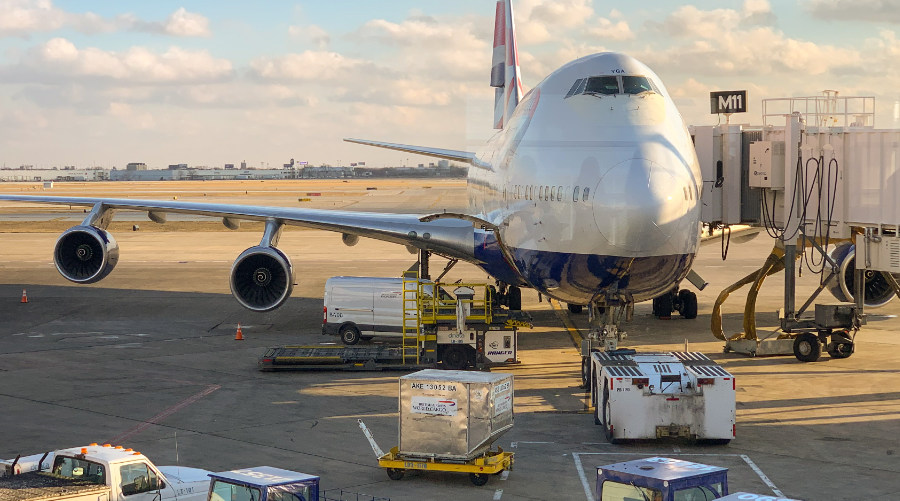
Europe should not be treated as one checkout zone.
A seller may use one China warehouse and one ecommerce store, but the customer experience can feel very different by country. Address formats, VAT rates, delivery expectations, return habits, carrier coverage, and language needs all change.
The European Commission's Access2Markets portal can help sellers research tariffs, product requirements, rules of origin, and trade procedures by product and destination. It is a useful starting point before entering a new EU market.
Germany Fulfillment from China
Germany is one of Europe's largest ecommerce markets. Customers often care about clear tracking, predictable delivery, and product documentation.
For China to Germany fulfillment, sellers should pay close attention to:
DDP or clear tax messaging
Product compliance documents
Return address expectations
German-language support content where needed
Packaging durability
Germany can be a good market for testing whether an EU warehouse is worth it. If a SKU sells steadily in Germany, local fulfillment may improve delivery speed and conversion.
France, Spain, and Italy Delivery Expectations
France, Spain, and Italy can all be strong markets, but delivery performance can vary by region and last-mile carrier.
Sellers should not assume that one "EU standard shipping" promise will work equally well in every destination. It is better to test parcels by country and review tracking quality before scaling paid ads.
For these markets, check:
Phone number requirements
Failed delivery handling
Pickup point behavior
Rural or island delivery surcharges
Return instructions
A small delay may be acceptable if the customer has clear tracking. A surprise customs payment is harder to recover from.
Netherlands and Belgium as Logistics Gateways
The Netherlands and Belgium are often used as logistics gateways because of their ports, carrier networks, and central position in Western Europe.
Some sellers use these markets for bulk import and EU-wide distribution. This can make sense when order volume is stable and the seller wants faster delivery across neighboring countries.
The gateway model is not only a freight decision. It also touches VAT registration, importer setup, customs clearance, warehousing, and return handling. Sellers should compare the full cost against direct China fulfillment.
Nordic and Eastern European Markets
Nordic countries often have strong ecommerce buyers but higher delivery costs. Eastern European markets can be attractive for growth but may need different carrier coverage and checkout expectations.
For these markets, ask your fulfillment partner:
Are remote area fees common?
Is DDP available?
Which last-mile carrier is used?
What is the normal delivery range?
How are returns handled?
Do not open every country at once if your support team is small. Start with countries where the route, tax setup, and customer promise are clear.
Product Compliance for Selling into Europe
Fulfillment cannot fix an unsafe or non-compliant product.
Europe has strict product rules. The exact requirements depend on the product category. Toys, electronics, cosmetics, food-contact materials, medical devices, PPE, batteries, and wireless products may all need different documentation or markings.
CE Marking and Technical Documentation
The European Commission's CE marking page explains that CE marking shows products sold in the EEA have been assessed to meet high safety, health, and environmental protection requirements. It also notes that manufacturers are responsible for conformity assessment, technical files, EU declarations of conformity, and affixing the CE mark where required.
Not every product needs CE marking. It is compulsory only for products covered by relevant EU legislation. It is also not a quality label or a sign that the product was made in Europe.
Sellers should confirm:
Is the EU Declaration of Conformity ready?
Are test reports current?
Are instructions and warnings translated where needed?
Is the importer or responsible person identified where required?
Are labels and packaging compliant?
Restricted Products and Carrier Rules
Even if a product can be sold, not every route can carry it.
Check route eligibility for:
Power banks
Liquids
Powders
Magnets
Cosmetics
Food supplements
Sharp items
Branded goods
Toys or children's products
If the product is sensitive, route approval should happen before launch.
Packaging and Labeling for China to Europe Fulfillment

Packaging affects cost, damage rate, customs review, and customer trust.
A small improvement in packaging can save money across thousands of orders. A small packaging mistake can create damage claims and bad reviews.
Use Right-Sized Packaging
Right-sized packaging protects the product without adding unnecessary size.
Large boxes increase dimensional weight. Weak mailers increase damage. Overly premium packaging can look good but hurt margin.
Before scaling, test:
Packed dimensions
Drop resistance
Water resistance
Label placement
Barcode readability
Whether the parcel survives international handling
SendFromChina's packing materials can help sellers compare mailers, cartons, protective packaging, and branded packing options.
Prepare Labels for European Customers
Labels may need more than a logo.
Depending on the product, sellers may need:
SKU or model
Batch or serial number
Country of origin
CE marking where required
Warnings
Importer or responsible person details
Recycling marks where applicable
Language-specific instructions
Do not leave this until the shipment is already packed.
Returns Strategy for China to Europe Fulfillment
Returns are part of the European customer experience. Some categories have high return rates, especially apparel, shoes, accessories, and consumer electronics.
If your return plan is weak, your fulfillment cost model is incomplete.
Direct Returns to China
Returns to China may work for high-value products, warranty cases, or items that need supplier inspection.
The weakness is cost and time. Returning low-value goods internationally may not make sense.
Local Europe Return Address
A local return address can improve customer trust. It can also reduce support friction in key markets.
Returned goods can be inspected, consolidated, donated, disposed of, or sent back to China in batches. The right choice depends on product value and resale condition.
Refund Without Return
For low-value items, it may be cheaper to refund or reship without asking for a return.
This should not be random. Set rules by product value, reason code, customer history, and proof required.
Cost Factors in China to Europe Fulfillment
The cheapest shipping rate is not the same as the lowest fulfillment cost.
Real cost includes warehouse work, packaging, shipping, customs handling, taxes, returns, support, and replacement risk.
Main Cost Drivers
Common cost drivers include:
Packed dimensions
Destination country
Shipping route
DDP or DAP terms
VAT and duty treatment
Packaging type
SKU complexity
Order items per parcel
Return rate
Failed delivery rate
Peak-season surcharges
The article on how to compare China fulfillment quotes explains how to compare total cost per order instead of isolated line items.
Use Landed Cost, Not Postage Alone
Landed cost means the full cost of getting the product to the customer.
It may include:
China warehouse handling
Packaging
Shipping
Duty
VAT where applicable
Customs clearance
Delivery surcharges
Returns and replacements
If you price based only on postage, margin can disappear.
When to Move from China Direct Shipping to a European Warehouse

China direct fulfillment is often good for testing and global coverage. It may not be the final model for every SKU.
Consider a European warehouse when:
Delivery speed affects conversion
The product is heavy or bulky
Return rate is high
Customers expect local delivery
Marketplace rules require faster dispatch
Duties and taxes are easier to handle through bulk import
Local customer experience justifies the inventory risk
The move does not need to apply to every SKU. Start with fast-moving products. Keep slow-moving or experimental SKUs in China.
Choosing a China Fulfillment Partner for Europe Orders
A China fulfillment partner for Europe should do more than quote a shipping price.
Ask whether the provider can support:
SKU-level storage
Barcode control
Pick and pack
Kitting and inserts
European shipping routes
DDP and DAP options
Customs data support
Battery or sensitive product review
Tracking upload
Return handling
Exception management
SendFromChina supports warehouse storage, pick and pack, value-added services, and multiple logistics solutions for ecommerce sellers shipping from China to Europe.
Test Before You Scale
Do not send thousands of orders before testing the workflow.
Run sample shipments to your main markets:
France
Netherlands
Spain
Italy
Poland
Sweden
Test different SKUs, package sizes, and shipping methods. Check tracking quality, delivery time, customs handling, and customer notifications.
Practical China to Europe Fulfillment Checklist
Before shipping real customer volume, review the basics.
Your checklist should include:
Packed weight and dimensions
Supplier packing list format
Warehouse receiving rules
Packaging test results
Customs descriptions
HS or commodity code review
Country of origin data
VAT and IOSS/OSS review
DDP or DAP decision
Product compliance documents
CE marking review where needed
Shipping route test
Tracking email setup
Return policy
Replacement stock plan
Peak-season backup route
This list is not glamorous. It is where most fulfillment problems are prevented.
Final Thoughts: Europe Fulfillment Needs More Than a Shipping Rate
China to Europe fulfillment can be a strong model for ecommerce sellers. It keeps inventory close to Chinese suppliers, supports multi-country demand, reduces early overstock risk, and gives brands a flexible way to test Europe.
But Europe is not a market where sellers can ignore tax, customs, product data, or customer experience.
A good strategy connects:
SKU and packaging control
EU VAT and customs planning
DDP or DAP delivery terms
Product compliance
Tracking and support
Returns and replacements
Local warehouse timing
When these parts work together, fulfillment becomes more predictable. Customers get clearer delivery expectations. Sellers get better margin control.
If you are planning China to Europe fulfillment, you can start by reviewing SendFromChina's order fulfillment service, checking costs with the shipping calculator, or contacting the team with your product details, destination mix, and monthly order volume.
FAQs About China to Europe Fulfillment
1. What is China to Europe fulfillment?
China to Europe fulfillment is the process of storing products in China, syncing ecommerce orders, picking and packing parcels, preparing customs data, and shipping orders to customers in European countries.
2. Is fulfillment from China to Europe good for ecommerce sellers?
It can be a good option when products are made in China and demand is spread across several European markets. It helps sellers test demand before moving bulk stock into an EU warehouse.
3. What is the best shipping method from China to Europe?
There is no single best method. Economy tracked routes work for low-cost items. Dedicated ecommerce lines work for many DTC parcels. Express works for urgent orders. Bulk freight plus EU warehousing works for stable high-volume SKUs.
4. Do I need IOSS for shipping from China to Europe?
IOSS may be useful for eligible imported goods not exceeding EUR 150 because it can help sellers collect VAT at checkout. It does not apply to all goods or all structures. Sellers should confirm with a VAT adviser.
5. What is the difference between IOSS and OSS?
IOSS is for eligible low-value imported goods shipped from outside the EU to EU consumers. OSS is commonly used for certain B2C sales when goods are already within the EU and sold cross-border to consumers in other Member States.
6. Should I use DDP shipping from China to Europe?
DDP can improve customer experience because duties and taxes are handled before delivery. It may cost more and requires accurate customs data. It is often useful when buyers do not expect extra charges after checkout.
7. When should I use a European warehouse instead of direct China shipping?
Use a European warehouse when order volume is stable, delivery speed affects conversion, return rates are high, products are heavy, or local delivery gives a clear business advantage.
8. What customs data is needed for China to Europe fulfillment?
Common data includes product description, declared value, country of origin, HS or commodity code, quantity, weight, and any product-specific details such as battery status or material composition.
9. How can I reduce China to Europe fulfillment costs?
Use right-sized packaging, clean SKU data, route matching by product type, accurate customs data, realistic delivery promises, and a hybrid inventory model once demand is proven.
10. What should I ask a China fulfillment partner before shipping to Europe?
Ask about European routes, DDP and DAP options, IOSS data support, customs descriptions, product restrictions, tracking quality, returns, packaging, SKU control, and how exceptions are handled.
 Post Views:1886
 TAGS:
TAGS:
Copyright statement: The copyright of this article belongs to the original author. Please indicate the source for reprinting.
Previous Post
Pet Product Fulfillment from China 2026: Storage and Shipping Best Practices
Next Post
TAGS
Hot Research
Get Custom eCommerce Fulfillment Service
Book a Meeting
Get a Custom China Fulfillment Solution with FREE Storage for 30 Days
Want to know about our services, fees or receive a custom quote?
 Want to know about our services, fees or receive a custom quote?
Please fill out the form on the right and we will get back to you within a business day.
The more information you provide, the better our initial response will be.