



Table of Contents
Table of Contents
It's day 21. A customer emails you. "Hi, where is my order? The tracking hasn't moved in two weeks."
You open the tracking page. Last scan: "Departed from sorting center, China." Then nothing.
If that sounds familiar, you're probably here because you want to know what else is out there. There are quite a few Cainiao shipping alternatives, but no single one wins for every order. The right pick depends on what you sell, where it goes, and what you promised your customer at checkout.
To pick well, it helps to know what Cainiao actually is, why sellers start looking around, what the main alternatives are, and how to switch without wrecking your store's reviews.

What "Cainiao shipping" really means
Cainiao isn't one courier with one truck and one delivery time.
Cainiao is Alibaba's logistics network. It books space with airlines, works with postal services, and hands parcels to local delivery companies in the destination country. Think of it less like a single bus line and more like a travel agency. It puts the trip together, but different companies drive different legs. You can see how Cainiao describes its own cross-border services on its official cross-border express page.
That's why two "Cainiao" orders can have totally different experiences. One lands in 10 days with full tracking. Another sits quiet for three weeks. Same brand name, different service underneath.
The Cainiao tiers you see at checkout
On AliExpress and similar marketplaces, you'll usually see a few Cainiao options. Names change over time, and not every tier shows up for every product or country. Most seller guides describe them roughly like this. Treat the delivery ranges as rough third-party estimates, not official numbers.
|
Tier (common name)
|
Typical use
|
Tracking
|
Rough delivery range (third-party estimates)
|
|---|---|---|---|
|
Super Economy / Super Economy Global
|
Very cheap, very light items
|
Often only inside China
|
Around 30 to 50 days
|
|
Saver / Economy
|
Low-value parcels
|
Partial, varies by route
|
Several weeks
|
|
Standard / AliExpress Standard Shipping
|
The default for many products
|
Usually end to end
|
Roughly 2 to 3 weeks to major markets
|
|
Special Goods
|
Items with batteries, liquids, powders
|
Varies
|
Several weeks
|
|
Expedited / Premium
|
Faster, more expensive
|
Full tracking
|
Often under 2 weeks
|
A lot of "Cainiao problems" are really problems with the lowest tiers. Super Economy is built for a $3 phone case, not a $60 gift someone wants before a birthday.
Why sellers start looking for Cainiao shipping alternatives
Most sellers switch carriers because something specific goes wrong. Usually it's one of these five things.
Tracking that goes quiet after export
On the cheaper tiers, tracking often stops once the parcel leaves China. The package is fine, most of the time. But your customer can't see that. So they email. Then they open a dispute. Then you refund, even though the parcel shows up a week later. Ugh.
Wide delivery windows
"Delivers in 15 to 45 days" is hard to put on a product page. Customers read the first number and forget the second. A wide window also makes it hard to plan promos, holiday cut-off dates, and pre-orders.
The supplier picks the line, not you
If you dropship from a marketplace, the supplier often chooses the shipping method. You might pay for Standard and get something else, or the supplier switches lines in peak season without telling you. You can't fix what you don't control.
Batteries, liquids and other tricky products
Products with built-in batteries, liquids, powders, magnets or sharp parts can't go on just any line. Some get pushed to special goods routes. Some can't go at all. If half your catalog is gadgets, this gets old fast.
Customs and duty surprises
When the buyer has to pay import tax at the door, some of them just refuse the parcel. Then it comes back, or gets abandoned, and you eat the cost. Rules also keep moving. In the US, for example, low-value import rules have changed more than once since 2025. It's worth checking the current e-commerce guidance from U.S. Customs and Border Protection before you decide how to ship.

Start with your order profile, not a carrier name
One habit saves a lot of headache. Before you compare carriers, write down what a typical order actually looks like. Kind of like a doctor checking your height and weight before picking a dose.
- Weight. Real weight of the packed parcel, box and all.
- Size. Length, width, height. This matters more than people think.
- Value. What you declare on the customs form.
- Destination. US, UK, EU, Canada, Australia, or a long list of smaller markets.
- Product type. Plain goods, or something with a battery, liquid or brand logo.
- Speed promise. What your store tells customers at checkout.
Why size can cost more than weight
Most carriers charge by whichever is bigger: real weight or volumetric weight. Volumetric weight is basically "how much space does this box take up on the plane." A common formula is length × width × height in centimeters, divided by a number the carrier sets (often 5,000, 6,000 or 8,000). A big, light pillow can cost more than a small, heavy book. Smarter packing, like squeezing air out or using a better-fitting box, can make a real difference here. That's a big part of what good pick and pack services should help you with.
|
If your typical order is…
|
Look first at…
|
|---|---|
|
Under 2 kg, low value, customer not in a hurry
|
Economy postal or economy ecommerce lines
|
|
Under 2 kg, mid value, customer wants tracking
|
Dedicated ecommerce lines with end-to-end tracking
|
|
Over 2 kg or bulky
|
Dedicated lines that accept heavier parcels, or express
|
|
Urgent, high value, or a gift deadline
|
Express couriers
|
|
Repeat orders of the same SKUs every month
|
A China fulfillment warehouse shipping for you
|
|
Contains batteries or liquids
|
Lines that clearly accept that category, confirmed before you ship
|
Cainiao shipping alternatives, grouped by type
It's easier to compare the options by type than as a "top 10" list. Within each type, the specific provider and service code matter a lot, so always check the exact line you're being offered.
|
Type
|
Speed (relative)
|
Tracking
|
Good fit for
|
Watch out for
|
|---|---|---|---|---|
|
Dedicated ecommerce lines
|
Medium
|
Usually end to end
|
Light to mid-weight parcels to major markets
|
Coverage and rules differ by line
|
|
Postal options
|
Slow to medium
|
Partial to full
|
Small, low-value items, remote countries
|
Long tail of late parcels
|
|
Express couriers
|
Fast
|
Full
|
Urgent or high-value orders
|
High cost per parcel, possible import fees
|
|
China fulfillment partner
|
Depends on chosen line
|
Tracking number sent back to your store
|
Brands with repeat SKUs, crowdfunding, multi-supplier goods
|
Needs inventory sent to the warehouse first
|
|
Overseas warehouse stock
|
Fast for local delivery
|
Local carrier tracking
|
Proven best sellers
|
Stock sits abroad, cash tied up
|
Dedicated ecommerce lines
These are lines built for cross-border online orders. Companies like YunExpress, 4PX and Yanwen run them, among others. They typically book air freight from China, clear customs in bulk, then hand off to a local courier.
What sellers like about them: tracking that usually keeps moving, and options for slightly heavier parcels. What to check: which countries each line covers, the weight limit, and whether it takes your product type. If you want the details on two popular names, we've got a YunExpress shipping guide and a breakdown of how Yanwen shipping works.
Don't pick by brand name alone. The same company can run a fast tracked line and a slow economy line. The service code on the label is what really counts.
Postal options
China Post registered air mail and EMS are the classic choices. ePacket still exists on some routes, but it's not the everywhere option it used to be.
Postal lines can reach a lot of countries, which is handy if you sell to smaller markets. The trade-off is speed. Most parcels arrive in a reasonable time, but there's often a long tail of late ones. Those late parcels are the ones that fill your inbox.
When postal still makes sense
Small, cheap, flat items. Customers who already expect slow shipping. Countries where dedicated lines don't go.
Express couriers
DHL, FedEx and UPS are the "pay more, get it there" option. Seller guides usually put them at a few business days to major markets. Tracking is solid.
The catch is cost. For a light $15 item, express shipping can cost more than the product. Also, the buyer may get a duty bill on delivery unless you set things up to pay it ahead. Express is great for samples, VIP orders, replacements and urgent fixes. For everyday orders, it's usually overkill.
A China fulfillment partner
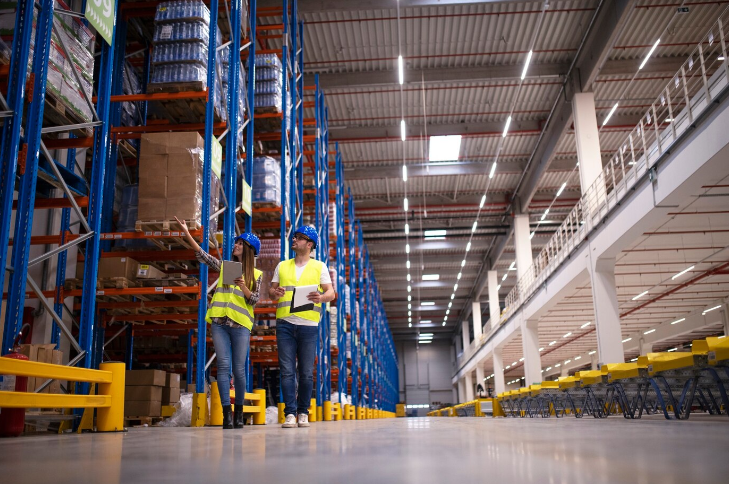
This one is a bit different. Instead of choosing a carrier order by order, you move your stock into a warehouse in China. The warehouse stores it, packs each order, and ships it on a line that fits.
That's what SendFromChina does. We're a third-party fulfillment (3PL) provider in China, handling China warehousing, order processing, pick and pack, and international shipping with tracking. You get to choose the shipping method instead of hoping a supplier picks a good one.
Reference delivery times for our international shipping look like this. They're estimates, not promises, and they shift with route, carrier, customs, product type and season.
|
Destination
|
Reference delivery time (business days)
|
|---|---|
|
United States
|
7 to 12
|
|
United Kingdom
|
3 to 6
|
|
Australia
|
8 to 13
|
|
Canada
|
8 to 13
|
|
European Union
|
8 to 13
|
You can see the shipping side in more detail on our ecommerce shipping page.
Overseas stock for proven SKUs
Once a product sells steadily, some brands put part of the stock in a warehouse in the US or Europe, so local orders arrive in days. It's fast. But you're paying to store goods abroad and guessing demand ahead of time. A lot of sellers keep long-tail SKUs in China and only move proven winners overseas. Kind of a "home base plus outpost" setup.
Total landed cost matters more than the label price
A lot of comparisons only look at postage. What you actually pay per order is much more than that.
Think about it like a cheap flight with a terrible layover. The ticket was cheap. The hotel, the missed meeting and the taxi weren't.
For a China fulfillment setup, your cost per order is built from parts like these:
|
Cost item
|
What it covers
|
|---|---|
|
Storage
|
Keeping your stock in the warehouse
|
|
Pick and pack
|
Picking items and packing each order
|
|
Packaging materials
|
Optional, depends on your packing needs
|
|
Shipping
|
Depends on route, destination, weight, size, product type and carrier
|
|
Barcode or labeling
|
May apply
|
|
Insurance
|
May apply
|
|
VAT or import tax
|
Charged where applicable
|
Then add the hidden stuff most sellers forget. Refunds for parcels that "look lost." Reshipping. Chargebacks. Hours spent answering "where is my order" emails. A one-star review. When you add those up, a slightly pricier tracked line can work out cheaper overall. For a rough idea of shipping costs on your own lane, try our shipping cost calculator.
DDP vs DDU in plain English
DDP (Delivered Duty Paid) means duties are already included in the shipping charge. The buyer doesn't pay anything at the door. That's a nice experience, and it cuts down on refused parcels.
DDU (Delivered Duty Unpaid) means the buyer handles any import tax or VAT that comes up. Cheaper for you upfront, but you need to tell customers clearly, on the product page and in your policy.
At SendFromChina, DDP has conditions. The declared value can't go over $150, and DDP doesn't cover Alaska, Puerto Rico, Hawaii or Guam. For DDU, the recipient is responsible for any VAT due. Whichever one you pick, say it clearly before checkout.
Tracking, customs and restricted goods
What "end-to-end tracking" should mean
Real end-to-end tracking shows the parcel from pickup in China to the local courier's final scan. Ideally, the last-mile tracking number syncs back to your store so customers see one link, not three.
Quiet spells still happen, by the way. A parcel can go a few days without a scan while it's on a plane or waiting at customs. That's normal. A two-week silence isn't.
Batteries and liquids
If you sell anything with a battery, check the rules before you choose a line. Air carriers treat lithium batteries as dangerous goods, and the details depend on battery type, how it's packed, and the destination. Liquids, powders, aerosols and magnets have their own limits too. Always confirm restricted items with your provider before goods leave the factory, not after.
Peak season
Around big sales and the end-of-year holidays, air space gets tight. Lines slow down, and some economy routes get really backed up. Plan cut-off dates early, and if you can, ship to your warehouse a few weeks before the rush.
How to switch away from Cainiao without breaking your store
You don't have to switch everything at once. Sellers usually do it in one of these ways.
Option 1: Change the shipping method at checkout
If you buy on AliExpress for each order, you can often pick a different shipping method on the product or checkout page. You can also message the supplier and ask them to use a specific line. Not every supplier will agree, and some charge extra. But it's the smallest step, so it's a fine place to start.
Option 2: Move stock into a China warehouse
If you're past the testing stage, this gives you way more control. The flow usually goes like this:
- Share your products, sizes, destinations and monthly order volume to get a quote.
- Open an account and add your SKUs, by system, spreadsheet or API.
- Create an inbound shipment notice (ASN) and have suppliers send goods to the warehouse.
- The warehouse receives, checks, labels and stores your stock.
- Orders come in from your store, a spreadsheet or the API.
- Each order is picked, packed and shipped on the line you chose.
- The tracking number goes back to your store.
Our order fulfillment service follows this kind of flow, with customs, delay, damage and return issues handled as they come up.
Run a small test batch first
Before moving everything, send 20 to 50 real orders on the new line to your main countries. Watch how long they take, how often tracking updates, and how many "where is it" emails you get. Then decide. It's a bit like test-driving a car before signing the paperwork.
Update your shipping policy page
A new line means a new delivery promise. Update delivery estimates, duty info and the returns process on your shipping policy page, product pages and order emails. Otherwise customers still see the old 30-day estimate and, well, that defeats the point.

Which Cainiao alternative fits which seller?
The right option depends on how you sell.
|
Seller type
|
Situation
|
Option to look at first
|
|---|---|---|
|
Dropshipper testing products
|
Many SKUs, low volume each, still testing
|
Better tracked tiers at checkout, or a dedicated ecommerce line
|
|
Growing Shopify store or DTC brand
|
Same SKUs every month, cares about reviews
|
A China fulfillment partner, such as dropshipping fulfillment from a warehouse
|
|
Crowdfunding creator
|
One big wave of rewards to backers worldwide
|
A fulfillment partner that can kit reward tiers and ship in batches
|
|
Board game publisher
|
Base games, expansions, add-ons, heavy boxes
|
A fulfillment partner plus lines that handle heavier parcels
|
|
Amazon seller
|
Needs prep, labeling, or a backup for merchant-fulfilled orders
|
A China warehouse that can do prep and ship direct
|
|
Seller of urgent or high-value items
|
Customer pays for speed
|
Express couriers
|
Conclusion
Cainiao is a huge network, and for very cheap, light, non-urgent orders it still does the job for plenty of sellers. But once your customers care about tracking, your products get heavier or trickier, or you sell the same SKUs again and again, it makes sense to look at other options.
Start with your order profile. Compare the total landed cost, not just postage. Test a small batch before you move everything. And whatever line you pick, tell customers the truth about delivery times and duties up front.
FAQs
Is Cainiao a courier or a logistics network?
It's a logistics network. Cainiao coordinates airlines, postal services, warehouses and local delivery companies, so the actual experience depends on which Cainiao service your parcel ships on.
What is a good alternative to Cainiao Super Economy?
For light, low-value items, a tracked economy ecommerce line or postal registered mail is a common step up. If customers expect faster delivery and steady tracking, dedicated ecommerce lines or a China fulfillment partner are worth a look.
Is Cainiao the same as AliExpress Standard Shipping?
Not quite. AliExpress Standard Shipping is a service on AliExpress, and it usually runs through the Cainiao network with a local carrier for final delivery. Cainiao also runs other tiers, like Super Economy, with different speed and tracking.
Why does my Cainiao tracking stop updating?
On cheaper tiers, tracking often only covers the China leg. Also, scans happen at handoff points, not in real time, so a few quiet days during flights or customs are normal. Long silences are more common on the lowest tiers.
Can I choose a different carrier when buying on AliExpress?
Often yes. Many listings offer several shipping methods at checkout. You can also ask the supplier to use a specific line, though they don't always agree or may charge extra.
Is YunExpress faster than Cainiao?
It depends on the exact services you compare. A YunExpress tracked line will usually beat Cainiao Super Economy, but a premium Cainiao tier may be similar. Compare service codes and destinations, not brand names.
Is ePacket still available from China?
On some routes, yes, but it's much less common than it used to be. Many sellers now use dedicated ecommerce lines or tracked postal services instead.
What does DDP mean when shipping from China?
DDP means duties are paid in advance, so the buyer pays nothing at delivery. It usually comes with conditions, like a declared value limit and excluded areas, so check them with your provider.
Can I ship products with batteries without using Cainiao?
Yes, some lines accept certain battery types if packed and labeled correctly. Rules vary by battery type, product and destination, so confirm with your provider before goods are shipped.
When should I switch to a China fulfillment warehouse?
Usually when you sell the same SKUs steadily, want control over packaging and shipping lines, or buy from several suppliers and want orders shipped together. If you're still testing products, it may be too early.
 Want to know about our services, fees or receive a custom quote?