Buying a product in China is often the easy part. Getting that product into a customer's hands, on time and at a healthy margin, is where the real work begins.
Amazon sellers have three main fulfillment choices in 2026: Fulfillment by Amazon, Fulfilled by Merchant, or a mix of both. We will call them FBA, FBM, and hybrid fulfillment. Each model can work. Each can also become expensive when it is used for the wrong product.
Here is the short answer. Use FBA for proven products that need fast Prime delivery. Use FBM for testing, slow-moving products, large items, custom orders, and listings where you need more control. Use a hybrid model when you want FBA speed without placing every unit inside Amazon's network.
The key is to decide at SKU level. Your best-selling phone stand and your slow-moving replacement cable do not need the same fulfillment setup. Treating them the same is a bit like using a delivery truck to collect one takeaway coffee. It works, sure, but the economics get silly.
This guide explains how each model works when inventory starts in China. It covers prep, international shipping, customs, packaging, inventory planning, returns, product standards, and the less obvious costs that can quietly eat your margin.
Quick Comparison: FBA vs FBM vs Hybrid Fulfillment from China
Before we get into the details, here is the practical view.
|
Factor
|
Amazon FBA
|
FBM from China
|
Hybrid Fulfillment
|
|
Customer delivery speed
|
Fast after inventory is checked into FBA
|
Usually slower and route-dependent
|
Fast for FBA stock; flexible backup through FBM
|
|
Prime eligibility
|
Commonly available through FBA
|
Not automatic
|
Available for the FBA offer
|
|
Inventory commitment
|
Higher because stock is imported in advance
|
Lower; inventory can remain in China
|
Split between FBA and reserve stock
|
|
Packaging control
|
Limited once Amazon fulfills the order
|
High
|
High for FBM orders, lower for FBA orders
|
|
Customer service and returns
|
Amazon handles much of the process
|
Seller or 3PL handles it
|
Shared by fulfillment method
|
|
Main cost risk
|
Storage, aged stock, inbound fees, removals
|
International postage, delivery time, returns
|
More systems and inventory locations
|
|
Best fit
|
Proven standard-size products
|
New, slow, custom, bulky, or long-tail products
|
Growing catalogs and volatile demand
|
Amazon announced that US FBA fees would rise by an average of about $0.08 per unit in 2026, with no new FBA fee types. That sounds small, but a small increase matters when a seller moves tens of thousands of low-margin units. Amazon also points sellers toward better packaging, lower-cost inbound options, and healthier inventory levels in its
2026 US fee update.
So, no, the choice is not simply "FBA is expensive" or "FBM is slow." The useful question is: which model produces the best contribution margin while meeting the delivery promise for this particular SKU?
What Amazon Fulfillment from China Actually Means
Three separate jobs are often mixed together:
- Sourcing and production: A factory makes or assembles the product in China.
- Inbound logistics: Inventory moves from the factory to a warehouse, port, airport, 3PL, or Amazon fulfillment center.
- Order fulfillment: A unit is picked, packed, shipped, tracked, and possibly returned after a customer places an order.
FBA mainly solves the third job after stock reaches Amazon. It does not inspect production for you. It does not automatically become the importer. It does not fix the wrong barcode, weak packaging, inaccurate customs value, or a missing battery document.
That is why many sellers add a China warehouse or prep center between the factory and Amazon. The warehouse can receive products from one or several suppliers, inspect cartons, label units, build bundles, store reserve stock, and send smaller replenishment batches. For sellers new to this process, our existing
guide to Amazon seller fulfillment from China gives a useful foundation.
The main routes look like this:
- Factory to Amazon FBA directly
- Factory to a China prep center, then to FBA
- Factory to a China 3PL, then FBM parcels go to customers
- Factory to a US 3PL, then local FBM orders are fulfilled
- China reserve inventory plus FBA inventory
- US 3PL reserve inventory plus FBA inventory
There is no universal winner. The route depends on sales velocity, product dimensions, cash flow, compliance, target delivery time, and how much uncertainty you can tolerate.
How Amazon FBA from China Works in 2026

With FBA, you send bulk inventory into Amazon's fulfillment network. Amazon stores the units and handles picking, packing, customer delivery, much of the customer service, and FBA returns.
For a China-sourced product, the working sequence is usually:
Factory completion → quality inspection → unit prep → FNSKU labeling → carton packing → international freight → customs clearance → Amazon delivery appointment → receiving and check-in → customer fulfillment.
The arrows look clean. Real life is less tidy. A mislabeled carton, delayed vessel, customs query, or receiving backlog can add days or weeks. Build the plan around the whole chain, not just the advertised transit time.
Inspect Inventory Before Export
Amazon receiving is not a quality control department. If a customer opens a product with a loose connector or scratched surface, the damage has already been done.
A pre-shipment inspection should match the risk of the product. For a simple textile accessory, this may include quantity, color, stitching, dimensions, packaging, barcode, and carton checks. For electronics, add power-on testing, charging checks, firmware confirmation, accessory verification, battery records, and basic functional sampling.
At minimum, record:
- Purchase order and SKU
- Sample size and inspection method
- Defect categories
- Photos of products and cartons
- Actual unit and carton weight
- Packed dimensions
- Barcode scan results
- Pass, rework, or reject decision
These records help when the freight quote changes because the carton is larger than expected. They also help when a factory says, "We packed it exactly as requested," but the barcode is quietly sitting under shrink wrap glare.
Prepare and Label Products for FBA
Every sellable unit must match its Amazon listing and selected barcode setting. If you use FNSKU labels, the label must match the correct SKU and variation. A red shirt in size medium cannot wear the label for a blue shirt in size large. Obvious, yes. Still happens.
FBA prep may include:
- Applying FNSKU labels
- Covering other scannable product barcodes when required
- Sealing loose units
- Poly-bagging apparel or exposed products
- Adding suffocation warnings to qualifying bags
- Bubble-wrapping fragile items
- Marking products sold as a set
- Protecting liquids from leakage
- Checking expiration-date format and visibility
- Applying carton and shipment labels
The product should arrive fulfillment-ready. Amazon can delay, repackage, relabel, return, or reject non-compliant inventory, and extra handling may create charges.
A specialist
Amazon FBA prep service in China is useful when a factory is good at manufacturing but unfamiliar with Amazon's shipment workflow. It is also useful when goods come from several factories and need one consistent standard.
Choose Express, Air Freight, or Ocean Freight
The cheapest method per kilogram is not always the cheapest business decision.
Express courier is quick and easy for samples, launch stock, and emergency replenishment. It becomes expensive as shipment weight grows.
Air freight works well for medium-size shipments and products with enough margin to support faster transport. Remember that air charges often use the higher of actual and volumetric weight.
Ocean freight usually lowers transport cost for larger shipments, but it needs more planning. Add origin handling, sailing time, destination handling, customs, port movement, truck delivery, and Amazon receiving. LCL can also spend time being consolidated and deconsolidated.
|
Shipping Method
|
Typical Use
|
Main Advantage
|
Main Watch-Out
|
|
Express courier
|
Samples, small launches, urgent top-ups
|
Fast and simple
|
High cost at larger weights
|
|
Air freight
|
Medium batches and time-sensitive stock
|
Better speed-cost balance
|
Volumetric weight and flight capacity
|
|
Ocean LCL
|
Medium-volume planned replenishment
|
Lower cost without a full container
|
More handling and variable timing
|
|
Ocean FCL
|
Large, stable-volume shipments
|
Good unit economics and control
|
High inventory commitment
|
A sensible seller may launch 300 units by air, then send 2,000 units by sea after the listing shows stable demand. That is not indecision. It is buying information before buying too much inventory.
Clear Customs and Deliver to Amazon
Amazon generally will not act as the Importer of Record for imported FBA inventory. The seller or an appointed party must arrange entry, classification, duties, taxes, and required documentation. Amazon's current international shipping requirements should be checked inside Seller Central before every new shipping setup.
Typical information includes:
- Importer of Record details
- Commercial invoice
- Packing list
- HTS classification
- Country of origin
- Declared value
- Customs bond when required
- ISF filing for US ocean freight
- Product-specific certificates or test reports
- Delivery appointment and Amazon shipment labels
Do not list Amazon as the importer to make the form look complete. And do not send collect-duty shipments to an Amazon facility. Your freight and customs arrangement should ensure that charges are handled before delivery.
DDP can simplify the commercial arrangement because duties and delivery costs are handled before arrival. Still, DDP is not a magic compliance blanket. The seller remains responsible for truthful product descriptions, valuation, admissibility, and supporting documents.
When Amazon FBA Is the Right Model
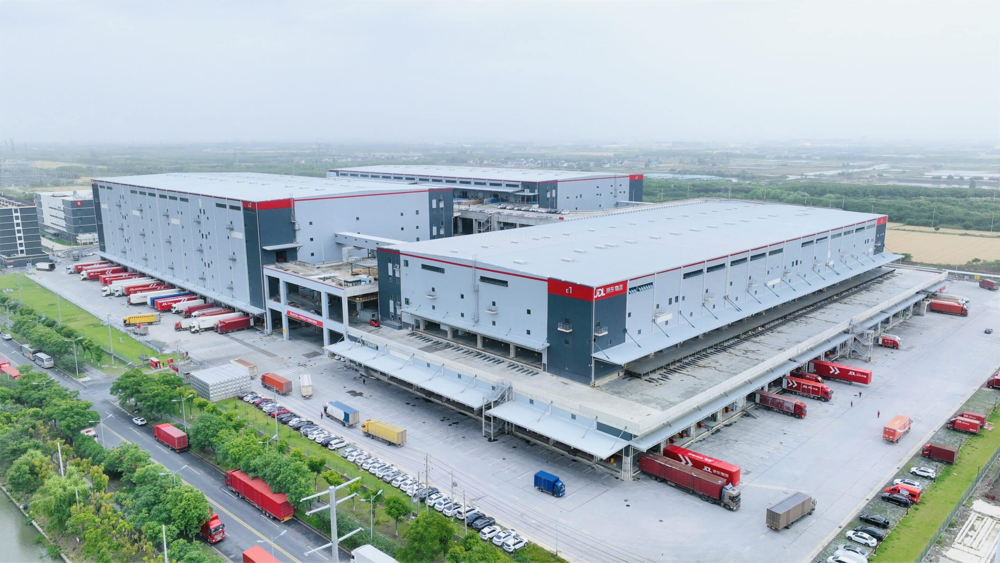
FBA is strongest when fast delivery improves conversion and demand is predictable enough to support local stock.
It often suits:
- Standard-size products with healthy margins
- Consistent best sellers
- Competitive categories where Prime delivery matters
- Lightweight accessories
- Repeat-purchase items
- Products with stable quality and low return rates
- SKUs that can be replenished on a regular schedule
FBA can also reduce daily operational work. Amazon handles parcel delivery, tracking, customer shipping questions, and much of the return process. That lets a small team focus on ads, listings, product development, and supplier work.
The trade-off is control. You pay to store inventory and may pay more when stock moves slowly, packaging is bulky, units are returned, or inventory must be removed. FBA is very efficient when a product moves. It is a costly waiting room when it does not.
How Amazon FBM from China Works
With Fulfilled by Merchant, the seller remains responsible for delivering the order. That work may be done in-house or by a third-party logistics provider.
For China-based FBM, an order normally moves through:
Amazon order import → inventory allocation → SKU scan → picking → quality check → packing → shipping label → export processing → international transport → destination customs → last-mile carrier → delivery confirmation.
A connected fulfillment system should return the tracking number and order status to the store. Manual work can survive at five orders a day. At 500 orders a day, manual copying becomes a trapdoor.
A
China-based ecommerce fulfillment service can keep stock close to suppliers while fulfilling Amazon, Shopify, WooCommerce, and other channels. That is helpful when you have a shared inventory pool rather than separate stock for every marketplace.
FBM Delivery Performance Still Matters
FBM gives control, but it does not lower Amazon's expectations. Sellers need realistic handling times, valid tracking, reliable delivery, responsive customer service, and a workable return process.
Do not promise a five-day delivery because the carrier once delivered a parcel in five days. Build the promise around normal performance plus a reasonable buffer. One unusually fast parcel is a nice story, not a service level.
When evaluating a China-to-consumer route, check:
- Warehouse processing cutoff
- First carrier scan time
- Export dispatch frequency
- End-to-end delivery percentile, not only the average
- Valid tracking rate
- Last-mile carrier
- Remote area coverage
- Restricted product rules
- Peak-season capacity
- Compensation and claim rules
The delivery tail matters. An average of eight days can hide a painful number of 18-day parcels.
When FBM from China Makes Sense
FBM is useful for:
- Testing a new ASIN before sending bulk stock to FBA
- Long-tail products with occasional demand
- Personalized or made-to-order items
- Bundles assembled after purchase
- Products needing branded packaging or inserts
- Catalogs with many colors, sizes, or replacement parts
- Global orders spread across several countries
- Products where FBA storage would be high relative to sales
The weak point is speed. Cross-border FBM usually cannot match stock already near the customer. International returns can also cost more than the product. For low-value items, a refund, replacement, local return address, consolidation program, or no-return resolution may be more sensible than flying one unit back to China.
How a Hybrid FBA and FBM Model Works
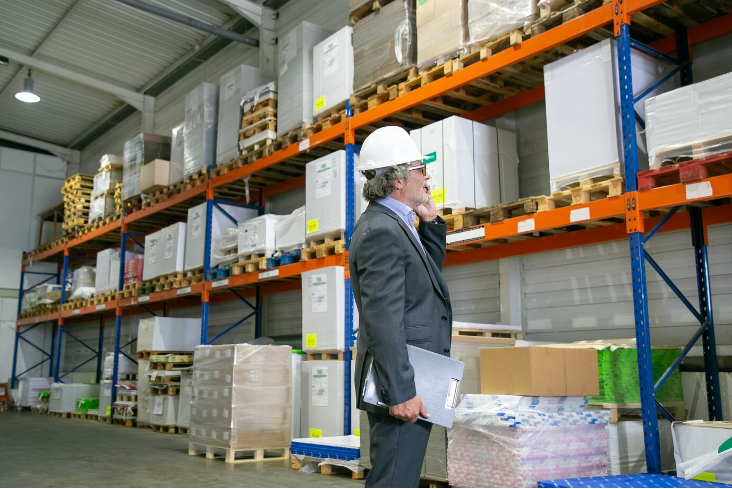
Hybrid fulfillment uses FBA where Amazon is strongest and FBM where flexibility matters more.
One common setup is:
- Keep 30 to 60 days of proven demand in FBA.
- Hold reserve stock in a China warehouse near suppliers.
- Replenish FBA by air or sea based on urgency.
- Use FBM for long-tail SKUs and new products.
- Activate or maintain an FBM option as an operational backup where the listing setup and Amazon rules allow it.
Suppose a mobile accessories seller has 40 SKUs. Eight products create most of the sales. Those eight go to FBA. Twenty-two slower variations remain in Shenzhen and ship by FBM when ordered. Ten new products launch through FBM first.
After six weeks, three new products show reliable demand and low return rates. They move into FBA. Two have high returns and need packaging changes. Five remain long-tail FBM items. The seller learns before importing a mountain of stock. Not very glamorous, but very useful.
FBA for Winners, FBM for the Long Tail
Amazon catalogs are rarely balanced. A small group of SKUs usually produces a large share of revenue. FBA can support those winners with fast delivery. China-based FBM keeps the wider catalog available without paying local storage for every variation.
This approach is especially helpful for apparel, spare parts, accessories, hobby products, and products with many low-volume combinations.
FBM as a Stockout Buffer
FBA inventory can run out because sales rise, freight rolls to a later sailing, customs asks a question, or Amazon receiving takes longer than expected. Reserve inventory creates options.
The backup will not deliver as fast as FBA, so set expectations correctly. Its value is continuity. A listing that keeps taking orders at a slower speed may be better than a listing with no sellable offer at all.
Hybrid Fulfillment Is Not Automatically Cheaper
You now manage more than one inventory location, more than one cost structure, and possibly more than one return flow. Your WMS, SKU names, barcodes, and inventory rules need to stay tidy.
Hybrid works when flexibility saves more than the added complexity costs. Measure it. Do not adopt it because the word sounds clever.
Calculate the Full Cost of FBA and FBM
Headline fulfillment fees do not show the whole picture. Calculate contribution margin after all costs linked to getting a unit sold and delivered.
For FBA:
FBA cost per sold unit = product cost + China prep + inbound freight + customs + inbound-related fees + FBA fulfillment fee + allocated storage + return/removal allowance
For FBM:
FBM cost per order = product cost + receiving + storage + pick and pack + packaging + international postage + customs handling + support and return allowance
For hybrid:
Hybrid cost = applicable FBA or FBM cost + allocated inventory transfer and system overhead
Use actual packed dimensions, not factory estimates. A box that grows by two centimeters can cross a carrier or FBA size boundary. Air pillows may be cheap, but you can end up shipping a handsome box of air around the world.
|
Illustrative Cost Item
|
FBA Unit
|
China FBM Order
|
Why It Changes
|
|
Product and packaging
|
$6.00
|
$6.00
|
Same product, unless FBM uses branded packing
|
|
China handling/prep
|
$0.45
|
|
FBM includes order-level picking and packing
|
|
International transport
|
$1.60 allocated
|
$6.20 per parcel
|
Bulk inbound versus individual parcel
|
|
Customs and import costs
|
$0.55 allocated
|
Route-dependent
|
Entry model and product classification differ
|
|
Final fulfillment
|
$4.10 illustrative
|
Included or partly included in parcel rate
|
FBA fee versus warehouse and postage structure
|
|
Storage/return allowance
|
$0.70
|
$0.45
|
Depends on turnover and return process
|
|
Illustrative total
|
$13.40
|
$13.45
|
A real quote can move either result
|
These are examples, not rate promises. Use Amazon's
Revenue Calculator for current marketplace estimates, then add your real China prep, freight, customs, storage, damage, and return costs. The calculator cannot know that your factory needs three rounds of relabeling.
Direct to FBA, China Prep Center, or US 3PL?
There are three common staging choices before Amazon fulfills customer orders.
Ship Directly from the Factory to Amazon FBA
This is the shortest route. It works when the factory consistently follows Amazon instructions, product quality is stable, and the freight partner understands FBA delivery.
The risk is limited visibility. Once the container leaves, fixing a label or assortment error becomes hard and expensive.
Use a China Prep Center
A China prep center receives inventory before export. It can inspect goods, apply labels, combine suppliers, rework packaging, measure cartons, and release replenishment batches.
This adds a handling step but often removes larger problems later.
Consolidated shipping from China is especially useful when the final kit contains products from several factories.
Import in Bulk to a US 3PL
A US 3PL can store reserve inventory close to Amazon and customers. It can replenish FBA quickly, fulfill local FBM orders, and receive domestic returns.
The trade-off is earlier import commitment and US storage cost. You also add another warehouse relationship.
|
Route
|
Best Use
|
Control Before FBA
|
Replenishment Speed
|
Main Risk
|
|
Factory direct to FBA
|
Stable products and trained factories
|
Low to medium
|
Depends on freight
|
Errors are discovered late
|
|
China prep center to FBA
|
Multi-supplier or higher-control workflows
|
High
|
Flexible from China
|
Added handling step
|
|
US 3PL to FBA
|
Fast local backup and returns
|
High after import
|
Fast
|
More local storage and capital tied up
|
The choice can change by SKU. High-volume stock may travel directly by sea. A complicated kit may pass through a prep center. Emergency inventory may move from a US 3PL.
Amazon Packaging and Product Standards Sellers Cannot Ignore
Packaging has two jobs. It must meet the fulfillment channel's rules, and it must protect the product through real transport.
Common materials include:
- Corrugated cartons with suitable edge-crush strength
- Poly bags with the required warning
- Bubble wrap for fragile surfaces
- Foam inserts for shaped or high-value products
- Air pillows or paper void fill
- Tamper-evident seals
- Moisture barriers and desiccants
- Corner and edge protection
- Dividers for multi-unit cartons
Run packaging tests on the final packed unit, not the attractive prototype. A fragile item may need drop testing. Liquids need leak resistance. Sharp products need secure covers. Sets must remain together. Labels must stay readable after handling and humidity.
A controlled
pick and pack workflow should scan the SKU, confirm quantity, choose the correct packaging instruction, record weight, and produce the right shipping label. For FBA prep, carton contents should also match the shipment plan.
FBA-Ready Does Not Mean Legally Compliant
Amazon prep and product compliance are separate. A perfectly labeled product can still be inadmissible or unsafe.
Depending on category, market, and design, sellers may need to review:
- FCC requirements for radio-frequency devices
- FDA rules for relevant food, cosmetic, or medical products
- CPSIA testing and tracking labels for children's products
- Lithium battery testing and transport documents
- Country-of-origin marking
- State-level chemical warnings
- Intellectual property rights
- Restricted product and dangerous goods rules
Do this before production, not when goods are sitting at the airport. Compliance paperwork created after the fact tends to be slow, expensive, and sometimes impossible.
Customs, IOR, DDP, and Import Responsibility
For FBA imports, define who is responsible for customs before the goods leave China.
The Importer of Record is responsible for the legal entry. This may include classification, valuation, duties, records, and product admissibility. Amazon states in its
international shipping and import requirements that it will not serve as the Importer of Record. Because requirements change, confirm the latest instructions in Seller Central when creating the shipment.
Common customs mistakes include:
- Using a vague product description such as "accessories"
- Choosing an HTS code only because it has a lower duty rate
- Declaring an unsupported low value
- Missing country-of-origin labels
- Using the Amazon warehouse as the importer
- Forgetting an ISF filing for ocean freight
- Shipping batteries without correct declarations
- Assuming a freight quote includes every destination charge
DDP may put freight, duty payment, customs coordination, and final delivery under one provider. Ask who appears on the entry, how duties are calculated, what documents you receive, and what happens if customs requests more information.
How Much Inventory Should You Send to FBA?
Start with the full replenishment lead time:
Reorder point = average daily sales × total replenishment lead time + safety stock
Total lead time may include:
- Factory production
- Rework after inspection
- Warehouse receiving and prep
- Export booking
- Carrier departure schedule
- International transit
- Customs clearance
- Destination delivery
- Amazon receiving and check-in
If sales average 20 units per day and the full replenishment cycle is 45 days, expected demand during that cycle is 900 units. Safety stock must then cover demand variation and delay risk.
Do not blindly add 90 days of safety stock. More stock reduces stockout risk but increases storage, aged-inventory, markdown, and cash-flow risk. A seasonal product left after the season is not safety stock. It is a souvenir.
Use Two Replenishment Speeds
Many sellers create a base and emergency plan:
- Ocean or economical air for planned replenishment
- Express or faster air for a smaller emergency batch
This is another reason to keep reserve inventory in China. You can select the amount and speed after seeing current sales, instead of sending everything overseas months earlier.
Track the Bad Tail, Not Just the Average
If ocean replenishment averages 40 days but sometimes takes 60, planning around 40 creates repeated stockouts. Track the median, 80th or 90th percentile, and major delay causes.
Review:
- Production variance
- Booking wait time
- Departure rollover rate
- Customs inspection frequency
- Amazon receiving time
- Demand forecast error
The bottleneck may not be the boat. Sometimes inventory waits nine days for a correct packing list before it even leaves Shenzhen.
Which Products Fit FBA, FBM, or Hybrid?
Mobile accessories: Small, light, proven accessories often fit FBA. Many low-volume colors or device variations fit hybrid fulfillment.
Consumer electronics: FBA can work for stable products, but inspection, serial tracking, battery paperwork, and return diagnosis matter. New electronics are often safer to test in smaller batches.
Apparel: Best-selling sizes and colors can go to FBA. Long-tail variations can remain in China. Packaging and return rates need close attention.
Beauty and personal care: Check ingredient, labeling, leakage, expiration, and regulatory requirements. Stable compliant products may suit FBA.
Pet products: Small accessories may work well in FBA. Bulky beds, litter products, or unusual shapes may face difficult storage and dimensional costs.
Toys and children's products: Compliance comes first. FBA can support fast seasonal demand, but excess holiday stock is risky.
Home and kitchen: Compact winners fit FBA. Fragile glass, liquids, and bulky products need careful cost and damage analysis.
Seasonal products: Hybrid is often sensible. Put a controlled quantity in FBA and hold part of the inventory in reserve until demand becomes clearer.
A Five-Question Fulfillment Decision for Every SKU
Ask these questions:
- Is monthly demand predictable?
- Does fast Prime delivery improve conversion enough to pay for FBA?
- Is the product expensive to store because of size or slow turnover?
- Does the order need personalization, special bundles, or branded packing?
- Can the margin absorb fulfillment, storage, returns, and inventory risk?
Choose FBA when demand is proven, delivery speed matters, and storage risk is manageable.
Choose FBM when demand is uncertain, customization matters, or local storage is hard to justify.
Choose hybrid when the product benefits from Prime but sales or supply lead times are volatile, or when you need a backup route.
Then review the decision every quarter. A product can graduate from FBM to FBA. It can also move back when sales slow. Fulfillment is an operating decision, not a marriage vow.
A 90-Day Plan for a New Amazon Seller
Days 1-15: Audit Products and Compliance
Confirm product specifications, category rules, test reports, labeling, country of origin, likely HTS code, and packed dimensions. Get quotes using the same shipment data so comparisons are fair.
Days 16-30: Test Quality and Packaging
Inspect finished units. Scan barcodes. Run basic handling tests. Check carton contents and weights. Send a sample through the proposed fulfillment workflow.
Days 31-60: Release a Controlled First Batch
Use a quantity that can produce useful sales data without risking too much capital. Depending on urgency, use express or air for the first batch and prepare a slower replenishment behind it.
Days 61-90: Compare Real Performance
Track:
- Contribution margin per order
- FBA and FBM conversion
- Delivery time by percentile
- Return and defect rates
- Damage and loss rate
- Stockout days
- Inventory age
- Prep and receiving errors
- Customer contacts
Do not scale because sales look exciting for three days. Scale after the operating numbers make sense.
Common Amazon Fulfillment Mistakes
Sending Too Much Inventory on the First FBA Shipment
Forecasts are opinions until customers buy. A smaller first batch gives you real conversion, return, and advertising data.
Trusting Factory Packaging Without Checking It
Factories optimize for production and factory-to-warehouse transport. Ecommerce units may face many more touches. Inspect the final retail pack and master carton.
Choosing Freight by the Lowest Headline Rate
A cheap quote may exclude pickup, export handling, duty, customs brokerage, appointment delivery, waiting time, or remote charges. Compare scope, not one number.
Ignoring Dimensional Weight
Measure the final package. A light but bulky product can be priced as a heavier shipment.
Using One Fulfillment Model for Every SKU
Best sellers, slow variations, bulky items, and custom bundles have different economics. Segment the catalog.
Waiting Until FBA Stock Is Nearly Empty
Replenishment starts before the alert feels urgent. Include production, export, customs, and receiving variation.
Having No Return Plan
Decide where returns go, who inspects them, when they can be resold, and when refund or disposal is cheaper.
Treating DDP as a Compliance Shortcut
Know your product, importer arrangement, declared value, classification, and supporting documents even when a logistics provider manages the entry.
How to Choose a China 3PL for Amazon Fulfillment
A provider should do more than place labels on cartons. Ask how the system and warehouse handle exceptions.
Check:
- Experience with Amazon unit and shipment prep
- Receiving process and ASN requirements
- Barcode scanning at receiving and picking
- Inventory accuracy and audit process
- Photo and measurement records
- Multi-supplier consolidation
- Repacking, bundling, and kitting
- Air, ocean, express, and parcel options
- Customs document support
- Order and inventory integrations
- Error reporting and compensation rules
- Peak-season cutoffs
- Dangerous goods restrictions
- Return inspection options
- Clear storage and handling fees
Run a pilot with several SKUs. Include an easy product and one awkward product. The awkward product tells you more about the operation.
Share packed dimensions, monthly volume, sales destinations, product details, battery status, and desired delivery time when requesting a quote. Sellers who need a SKU-level FBA, FBM, or hybrid plan can
contact SendFromChina for a fulfillment solution.
Conclusion: Build the Model Around the SKU
FBA, FBM, and hybrid fulfillment are tools. None is automatically the best.
FBA gives proven products fast local delivery and removes much of the daily parcel work. FBM keeps inventory flexible and supports tests, custom orders, and long-tail products. A hybrid model combines the two, using Amazon for speed while keeping reserve or slower inventory outside FBA.
For products sourced in China, the best setup usually begins before international shipping. Inspect goods, fix packaging, verify labels, define the importer, measure cartons, and plan replenishment around the full lead time. Then compare the true cost per sold order.
Start controlled. Watch the numbers. Move each SKU when its behavior changes. That simple habit prevents a lot of expensive boxes from sitting in the wrong warehouse.
FAQs About Amazon Fulfillment from China
1. Can I ship products directly from a Chinese supplier to Amazon FBA?
Yes, if the supplier follows Amazon's preparation, labeling, carton, shipment, and delivery requirements. You must also arrange compliant import clearance and an Importer of Record. Many sellers use a China prep center first because it provides independent inspection and catches errors before export.
2. Is Amazon FBA or FBM better for a new seller?
FBM can reduce the amount of inventory committed before demand is proven. FBA can improve delivery speed and reduce daily fulfillment work. A small FBA batch plus reserve inventory is often a practical starting point for a product that is expected to sell consistently.
3. Can Amazon be the Importer of Record for an FBA shipment?
No. Amazon does not act as the Importer of Record for your imported FBA inventory. The seller or an appointed party must manage customs entry, duties, compliance, and required records.
4. How long does shipping from China to Amazon FBA take?
It depends on production, prep, booking, transport mode, customs, final delivery, and Amazon receiving. Express may take days, air freight often takes longer, and ocean freight may take several weeks. Always plan the complete factory-to-available timeline rather than carrier transit alone.
5. What is the cheapest way to send inventory from China to FBA?
Ocean freight often gives the lowest transport cost for larger planned shipments. It may not be cheapest after storage, cash flow, destination charges, and stockout risk are included. Small or urgent batches may have better total economics by air.
6. Do I need a prep center in China?
It is not mandatory when your factory can inspect, prepare, label, and pack inventory correctly. A prep center becomes valuable when you use several suppliers, need independent QC, hold reserve stock, build bundles, or want to release smaller replenishment batches.
7. Can I use FBA and FBM for the same product?
Sellers can use both fulfillment methods in a hybrid strategy, subject to Amazon's current listing and offer rules. Inventory and pricing must be managed carefully so customers see accurate availability and delivery promises.
8. How much inventory should a new seller send to FBA?
Base the quantity on expected daily sales, full replenishment time, safety stock, margin, and how much demand uncertainty you can afford. For a new ASIN, a controlled first batch is usually safer than sending several months of unproven stock.
9. Who handles customer returns under Amazon FBM?
The seller remains responsible, although a 3PL or local return partner may perform receiving and inspection. Set a return address and decision rules for restocking, replacement, refund, consolidation, or disposal before sales begin.
10. Is a hybrid FBA and FBM model more expensive to manage?
It can add system and inventory complexity. However, it may reduce stockouts, aged FBA inventory, emergency freight, and overstock risk. The right comparison is the total contribution margin and service level, not the number of warehouses.





 Post Views:1657
 TAGS:
TAGS:
 Want to know about our services, fees or receive a custom quote?