




Table of Contents
Get Custom eCommerce Fulfillment Service
Book a Meeting
Understanding Value-Added Warehousing and Distribution Services
Time: Jan 16,2026 Author: SFC Source: www.sendfromchina.com
In today’s global economy, supply chain excellence is no longer a luxury — it’s fundamental. As e-commerce, omnichannel retail, and global trade continue to grow in complexity, businesses are increasingly rethinking how they handle inventory, prepare products for market, and deliver value to customers. Simply storing products and moving them from point A to point B isn’t enough anymore. That’s where value-added warehousing and distribution services play a transformational role.
For brands and businesses working across borders — especially those sourcing or selling via China — partnering with a third-party logistics (3PL) provider like SendFromChina that excels in value-added services can be a strategic advantage. In this article, we’ll explore what value-added services are, why they matter, how they transform warehousing and distribution, the key services you should know about, and how they impact your bottom line.
1. What Are Value-Added Warehousing and Distribution Services?
At its core, value-added warehousing and distribution refers to logistics services that go beyond basic storage and transportation to include operations that increase the value of products and enhance supply chain efficiency. These services are performed by logistics providers — typically within the warehouse or distribution center — and are customized to meet specific business needs.
In business terms, “value-added” simply means any activity that increases the utility or usefulness of a product before it reaches the customer. In logistics, this includes activities such as packaging, kitting, labeling, assembly, quality inspection, compliance adjustments, and much more. These aren’t optional add-ons; they’re increasingly expected components of modern logistics solutions.
Why does this definition matter? Because value-added services blur the line between traditional warehousing and what businesses increasingly need: service-oriented logistics that create competitive advantage.
2. Why Value-Added Services Are Critical Today
The logistics industry has evolved dramatically over the past decade. The rise of e-commerce, same-day delivery expectations, and global supply chain disruptions have challenged companies to rethink how they prepare and distribute products.

Here’s why value-added services are now mission-critical:
Customer Expectations Have Shifted
Customers want more than just products — they want tailored experiences. Whether it’s customized gift packaging, retail-ready displays, or precise order fulfillment, businesses that deliver personalized, prompt, and high-quality experiences are winning more market share. Value-added services help companies meet these rising expectations at scale.
Retail and Marketplace Standards Are Complex
Major marketplaces and big-box retailers impose strict labeling, packaging, and documentation requirements. Meeting these standards internally can be labor-intensive, costly, and error-prone. Outsourcing to a 3PL with value-added services helps reduce non-compliance penalties and mitigates risks.
Competitive Differentiation Matters
In crowded markets, brands look for every advantage. Using value-added services can reduce time to market, improve product presentation, and boost the perceived value of products — all while streamlining operations.
Cost and Operational Efficiency
Employing value-added services through a specialized provider helps companies avoid fixed costs like warehousing space, labor, and equipment. By outsourcing these tasks, companies scale flexibly and focus on their core business.
3. Common Value-Added Warehousing and Distribution Services
There’s no one-size-fits-all in value-added logistics. But here are the key services that define modern value-added warehousing and distribution:
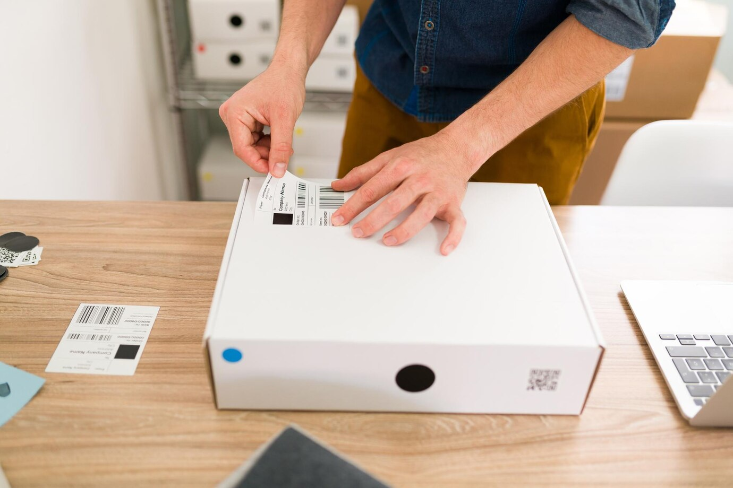
Kitting and Assembly
This involves combining multiple SKUs into one package or kit — such as promotional bundles, subscription boxes, or market-ready sets. Instead of sending separate components to the customer or retail channel, they’re pre-assembled and ready to go.
Example: A beauty brand sends individual products to the warehouse, where they are assembled into a gift set before shipment.
Custom Packaging and Labeling
From branded packaging to compliance labeling (barcodes, retailer labels, languages, regulatory stickers), these services ensure goods meet market and retailer standards. Proper labeling also improves scanning accuracy and inventory tracking.
Example: A product intended for the EU market requires specific language labeling and QR code placement — done in the warehouse before dispatch.
Quality Control and Inspection
Before products leave the warehouse, they can be inspected against quality standards, reducing defects and returns. Quality checks include functional testing, visual inspection, and documentation to ensure compliance with specifications.
Example: Electronics are tested in-warehouse for functionality before shipment.
Returns Processing and Reverse Logistics
Returns are inevitable — especially in e-commerce. Value-added services handle the returns process, including inspection, refurbishment, restocking, recycling, or disposal. This improves customer satisfaction and reduces internal workload.
Example: Defective products are identified, repaired or repackaged, and re-entered into inventory.
Cross-Docking and Rapid Fulfillment
With cross-docking, inbound goods move quickly to outbound shipping, shortening fulfillment times and minimizing storage needs. This is especially useful for high-turnover products.
Technical Configuration & Customization
For products requiring assembly, software installation, or accessory additions, technical configuration in the warehouse keeps manufacturing lines running more efficiently.
Example: Smart devices receive region-specific software loads before distribution.
Storage Optimization & Inventory Visibility
Beyond simple shelving, advanced warehouses support lot tracking, expiration date monitoring, and multi-location inventory visibility. This reduces stockouts and improves planning accuracy.
4. How Value-Added Services Improve the Distribution Process
Distribution isn’t just about moving products — it’s about ensuring they reach the right place, in the right condition, with the right documentation, and in the right configuration.
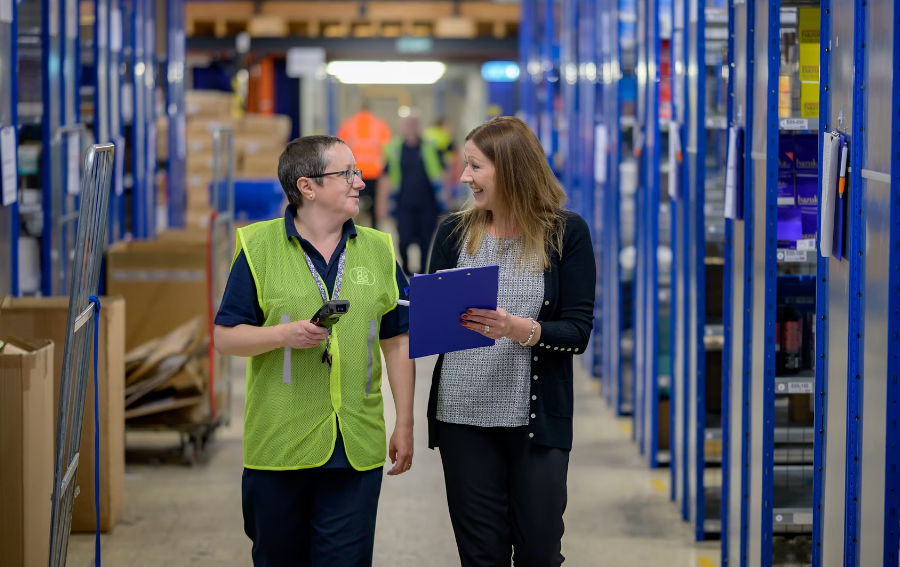
Value-added services transform distribution by:
Enhancing Efficiency
When tasks like packaging, labeling, and assembly happen in the warehouse, distribution networks become streamlined. There’s less re-handling, fewer transit exceptions, and smoother order flows.
Improving Speed to Market
With advanced logistics processes integrated, products can be prepared and dispatched faster. This is critical for seasonal promotions and time-sensitive deliveries.
Reducing Supply Chain Costs
Outsourcing value-added tasks prevents the need for in-house resources, minimizes transportation errors, and reduces expedited shipping costs due to compliance mistakes.
Boosting Flexibility & Scalability
As demand fluctuates — especially during peak seasons — value-added logistics allow businesses to scale services up or down without major capital investments. This adaptability is critical in fast-moving markets.
5. Case Example: E-Commerce Brand Transformation
Consider an e-commerce brand that sells globally sourced lifestyle products:
Receiving: Bulk shipments arrive at the warehouse managed by a 3PL.
Customization: Products are labeled with market-specific requirements, packaged with branded materials, and assembled into kits.
Quality Control: Items undergo final inspection for defects.
Distribution: Orders are fulfilled and shipped directly to end customers or retail partners.
Returns Management: Returned items are managed efficiently, refurbished when possible, and re-stocked.
The result? Faster delivery, more satisfied customers, lower operating costs, and stronger brand reputation.
6. How Value-Added Services Fit Into Modern Supply Chains

In today’s interconnected world, supply chains need to be agile, transparent, and efficient. Value-added warehousing and distribution services play a vital role in:
Multi-Channel Fulfillment: Supporting B2B, D2C, and retail channels from a unified logistics platform.
Global Compliance: Ensuring products meet varied international packaging and labeling standards.
Inventory Postponement: Holding products in semi-finished states and completing them based on specific orders.
Tech-Enabled Logistics: Integrating systems like Warehouse Management Systems (WMS) and Transportation Management Systems (TMS) for real-time visibility.
For businesses in China’s robust export and manufacturing ecosystem, this means tapping into logistics solutions that can bridge global market requirements without slowing growth.
7. Choosing the Right 3PL Partner
Selecting a 3PL that excels in value-added services isn’t just about capabilities — it’s about partnership. Here are key criteria:
Customization & Flexibility: Ability to tailor services to your product and market needs.
Technology Integration: Real-time visibility and seamless system connectivity.
Global Compliance Expertise: Knowledge of international regulations and documentation.
Scalability: Support for peak seasons and business growth.
Performance Metrics: Accurate reporting on quality, lead times, and order accuracy.
A trusted partner like SendFromChina understands the balance between operational precision and strategic value creation — positioning your products competitively across markets.
8. Real-World Benefits of Value-Added Warehousing
When executed well, value-added services deliver tangible business benefits:
Enhanced Customer Satisfaction: Customized packaging and rapid fulfillment lead to better experiences.
Reduced Operational Costs: Outsourcing labor-intensive tasks saves internal resources.
Stronger Supply Chain Control: Real-time tracking and quality checks mitigate risk.
Higher Market Compliance: Retail-ready and regulatory-ready products reduce issues during distribution.
Improved Brand Visibility: Professional packaging and presentation improve product perception.
9. Challenges and Considerations
While value-added services unlock tremendous potential, businesses must consider:
Data Accuracy: Accurate demand forecasts and inventory data are essential.
Change Management: Transitioning tasks to a 3PL requires coordination.
Cost Transparency: Clear pricing for value-added tasks helps avoid surprises.
Quality Standards: Clear SOPs and KPIs ensure consistent outcomes.
Partnering with an experienced provider ensures these challenges are addressed proactively.
10. Conclusion
Value-added warehousing and distribution services represent a paradigm shift in how logistics contribute to business success. By embedding value creation directly into warehousing and distribution processes, companies unlock operational efficiencies, enhance customer experiences, and stay ahead of market demands.
For businesses engaged in global trade — whether selling in Western markets or sourcing products from China — a logistics partner that embeds value-added services into its core offering is no longer an option; it’s a competitive necessity. With the right strategy and partnership, value-added logistics becomes a catalyst for growth and differentiation in an increasingly complex supply chain landscape.
11. Frequently Asked Questions (FAQs)
What are value-added services in logistics?
Answer: They are specialized functions in warehousing beyond basic storage and shipping — like kitting, labeling, assembly, and quality control — designed to enhance product value and supply chain efficiency.
Why do companies use value-added warehousing?
Answer: To improve operational efficiency, reduce costs, meet compliance requirements, and deliver better customer experiences.
Can value-added services reduce supply chain costs?
Answer: Yes — by outsourcing tasks to logistics experts, businesses save on labor, infrastructure and improve process efficiency.
Do value-added services help with retail compliance?
Answer: Absolutely — services like customized labeling and packaging help products meet retailer and marketplace requirements.
Are value-added services suitable for small businesses?
Answer: Yes — they provide scalability, flexibility, and expertise that help small businesses compete with larger players.
 Post Views:8
 TAGS:
TAGS:
Copyright statement: The copyright of this article belongs to the original author. Please indicate the source for reprinting.
Previous Post
Forward Logistics vs. Reverse Logistics: Everything You Need to Know
Next Post
TAGS
Hot Research
Get Custom eCommerce Fulfillment Service
Book a Meeting
Get a Custom China Fulfillment Solution with FREE Storage for 30 Days
 Want to know about our services, fees or receive a custom quote?
Please fill out the form on the right and we will get back to you within a business day.
The more information you provide, the better our initial response
will be.