




Table of Contents
Get Custom eCommerce Fulfillment Service
Book a Meeting
Forward Logistics vs. Reverse Logistics: Everything You Need to Know
Time: Jan 16,2026 Author: SFC Source: www.sendfromchina.com
In today’s highly competitive global marketplace, logistics stands at the heart of business success. From international trade to ecommerce fulfillment, efficient management of goods movement directly impacts customer satisfaction, operational costs, and brand reputation. For companies that rely on third-party logistics (3PL) partners like SendFromChina, understanding the nuances between forward logistics and reverse logistics isn’t just academic — it’s strategic.
Whether you’re launching a cross-border product line or optimizing returns processes, this comprehensive guide breaks down both forward and reverse logistics from the ground up. You’ll get differentiators, real-world examples, practical strategies, and clear takeaways to help you make informed decisions.
1. What Is Forward Logistics? A Holistic Overview
At its core, forward logistics consists of all activities that move products from their point of origin — typically a manufacturer or supplier — toward the end customer. This is the traditional logistics flow most businesses think about when selling products.
Forward logistics includes:
Procurement and sourcing
Production and manufacturing workflows
Order processing and picking/packing
Distribution and transportation
Delivery to retail channels or direct to consumer
In essence, forward logistics is the backbone of fulfilling customer demand. From the moment raw materials enter the supply chain until finished goods reach customers, value is added at nearly every step. This value shows up not just in the physical product, but in improved accessibility, timely delivery, and customer experience.
Imagine an electronics manufacturer in Shenzhen producing wireless earbuds. When a customer places an order on an ecommerce platform, forward logistics governs the steps to pick the items from inventory, package them, and deliver them — oftentimes across borders — to the consumer’s doorstep.
Key Objectives of Forward Logistics
These are the immediate goals forward logistics strives to achieve:
Speed – Delivering goods quickly to meet customer expectations.
Accuracy – Ensuring orders are correct and complete before shipping.
Cost Efficiency – Keeping transportation and handling costs low.
Inventory Optimization – Balancing stock availability with minimized holding costs.
Visibility – Providing tracking, status updates, and transparency throughout.
The lens here is forward-looking: push products into the marketplace efficiently and reliably.
2. What Is Reverse Logistics? Redefining the “Return” Journey
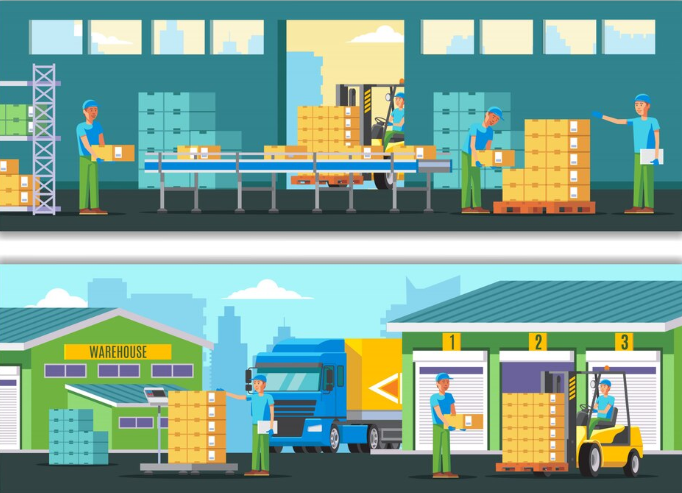
While forward logistics propels goods outward, reverse logistics manages the movement of products back into the supply chain — typically after delivery to a customer. This might include:
Product returns
Warranty repairs
Recycling and refurbishment
Repackaging and resale
Reclamation of packaging materials
Reverse logistics has shifted from a secondary consideration to a strategic imperative, especially in ecommerce. Returns are no longer rare. In fact, with global ecommerce returns amounting to trillions of dollars in merchandise yearly, reverse logistics is a major operational concern for brands.
The goal of reverse logistics is not only to process returns, but to recapture value whenever possible. Whether refurbishing a returned laptop for resale or responsibly recycling parts, reverse flows help businesses cut waste and retain loyalty.
Reverse Logistics in Action
A customer orders a jacket online but decides to return it because of a sizing issue. Once that item is on its way back, reverse logistics takes over:
Return authorization and pickup.
Inspection and sorting (determine whether it’s resalable, repairable, or recyclable).
Refurbishing or repackaging.
Reintroduction to inventory or recycling.
Final disposition (e.g., discount sale, landfill avoidance).
This entire flow — from customer to point of return — involves steps few consumers ever see but that matter deeply to businesses.
3. Forward vs. Reverse Logistics: Key Differences Explained
Understanding differences between forward and reverse logistics helps companies design better processes, allocate resources wisely, and harness greater operational efficiency. Below are some of the most important contrasts:
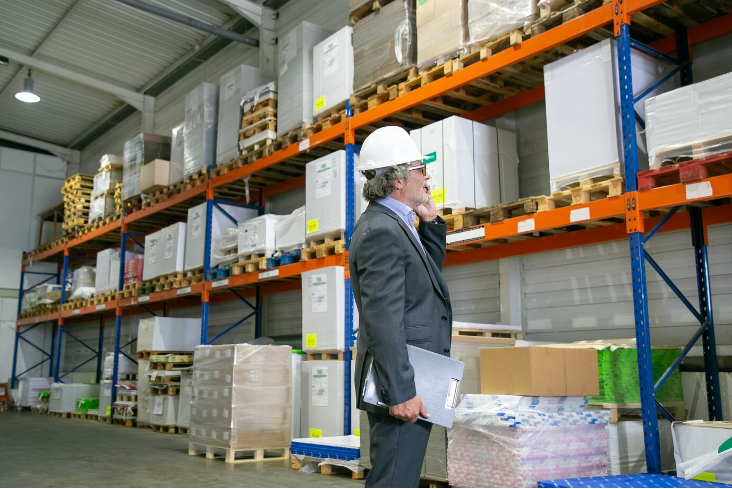
Direction of Flow
Forward Logistics: Manufacturer → Distributor → Retailer → Customer
Reverse Logistics: Customer → Retailer/Distributor → Manufacturer/Refurbish Center
The outward push of forward logistics contrasts sharply with the inward pull of reverse logistics.
Predictability
Forward logistics benefits from demand forecasts, scheduled shipments, and planned production. In comparison, reverse logistics is often unpredictable — returns can spike due to seasonality, product defects, or policy changes.
Value Creation vs. Value Recovery
Forward Logistics: Primary focus on delivering value (getting products into the market).
Reverse Logistics: Focus on recovering value (minimizing loss and maximizing reuse).
Operational Complexity
Returns processes are inherently more complex because goods come back in varying conditions — brand new, damaged, incomplete, or unsellable. This requires inspection, sorting, and decisioning that goes beyond standard outbound logistics.
Customer Impact
Both processes influence customer satisfaction, but in different ways. Forward logistics affects first-time experiences and delivery performance, while reverse logistics significantly shapes post-purchase satisfaction and loyalty, as hassle-free returns can lead to repeat business.
4. Why Both Are Critical for a Successful Supply Chain
You may be wondering: if forward logistics gets products to customers, and reverse logistics brings them back, are they equally important? The answer is a resounding yes. A complete supply chain strategy recognizes that:
Highly efficient forward logistics boosts revenue by optimizing delivery and customer satisfaction.
Flexible reverse logistics protects that revenue by reducing the cost of returns and increasing customer trust.
In competitive sectors like fashion, electronics, and consumer goods, brands that make returns effortless often enjoy repeat purchases — a critical driver of lifetime customer value.
Let’s look at how these two types of logistics benefit your business.
Forward Logistics Benefits
Faster time-to-market
Lower transportation and storage costs
Improved order accuracy
Enhanced customer satisfaction
Better forecasting and inventory planning
A robust forward logistics strategy minimizes stockouts and delivery delays — both of which directly affect a company’s reputation and bottom line.
Reverse Logistics Benefits
Asset recovery — salvage value from returned goods
Reduced waste and eco-impact
Improved customer loyalty
Enhanced brand reputation
Compliance with recycling and disposal regulations
Indeed, reverse logistics supports sustainability goals by keeping products and materials in circulation rather than in landfills.
5. Operational Challenges in Forward and Reverse Logistics
Every logistics pathway has its hurdles — but reverse logistics often presents unique difficulties that even experienced companies underestimate.
Forward Logistics Challenges
Demand fluctuations — Unexpected surges or dips in orders.
Cross-border compliance — Customs, tariffs, and regulations vary globally.
Transportation disruptions — Weather, port congestion, carrier delays.
Inventory imbalances — Too much stock leads to storage costs; too little causes stockouts.
These are familiar challenges for supply chain leaders and can usually be mitigated with good planning and real-time visibility tools.
Reverse Logistics Challenges
In contrast, reverse logistics carries its own set of complexities:
Uncertain return volumes and timing.
Assessment complexity — Evaluating product condition is labor-intensive.
Data tracking and system integration.
Regulatory compliance for recycling or hazardous materials.
Cost control and profitability concerns.
In many cases, reverse logistics can cost more per item than forward logistics, merely because returned goods require inspection and classification before the next step.
6. How 3PL Providers Like SendFromChina Can Help
Outsourcing to a third-party logistics partner isn’t just about storage and shipping. Modern 3PLs offer integrated services that span both forward and reverse logistics.
Unified Systems and Visibility
Leading 3PLs use advanced warehouse management systems (WMS) and transport management systems (TMS) to provide real-time tracking, streamline processing, and connect forward and reverse data flows. This unified technology is critical when returns volumes fluctuate or when cross-border movements require precise coordination.
Strategic Network Design
3PLs build dense networks of warehouses, fulfillment centers, and cross-dock facilities that allow companies to position inventory closer to end markets, reducing delivery times while also creating efficient return hubs.
Cost Optimization and Scale
Large-scale 3PL providers can negotiate better carrier rates, optimize transportation routes, and consolidate return shipments — ultimately lowering operational costs on both ends of the logistics spectrum.
Expertise in Return Policies
Handling returns isn’t just about shipping. It requires clear policies, customer communication frameworks, and skilled logistics personnel who can inspect and restore products quickly for resale or refurbishment.
7. Best Practices for Combining Forward and Reverse Logistics
To compete effectively, businesses must view logistics as a holistic system — not separate outward and inward flows. Here’s how companies can integrate both for maximum efficiency:
Forecast Returns as Part of Demand Planning
Return rates are often predictable once you analyze historical data. Integrating returns forecasting into demand planning improves warehousing decisions and labor staffing.
Invest in Technology
Real-time tracking, RFID scanning, and automated sorting systems reduce manual handling and improve accuracy — especially in reverse flows.
Optimize Packaging for Both Use Cases
Eco-friendly, reusable packaging aids forward shipments and simplifies returns. For example, pre-printed return labels or easy-open boxes encourage smoother reverse flows.
Establish Clear Reverse Logistics Policies
Transparent return and refund policies build consumer trust and reduce inquiries, saving both time and budget.
Align Strategic Goals Across Functions
Finally, ensure that procurement, sales, customer service, and logistics teams share aligned goals — particularly around returns and inventory.
8. Real-World Examples
Global Apparel Retailers
With high return rates common in fashion ecommerce, forward logistics ensures timely delivery to customers worldwide, while reverse logistics provides warehouse processing for returns, inspection, and reintegration into inventory. These multi-step return loops are crucial for maintaining customer loyalty.
Electronics and Consumer Tech
Smartphone manufacturers must balance forward logistics for global distribution with reverse processes for repairs, refurbishing, and responsible recycling — especially given environmental regulations.
Cross-Border Trade
Importers sourcing goods from China often rely on 3PL partners like SendFromChina not just for shipping outbound, but also for handling returns back into regional hubs, minimizing losses from international returns.
9. Conclusion
Forward and reverse logistics are two sides of the same coin — each critical to a well-rounded, efficient supply chain. Forward logistics gets products into the hands of customers quickly and reliably. Reverse logistics makes sure returns, recycling, repairs, and reclamation happen with minimal waste and maximum value recovery.
For businesses operating in a globalized marketplace, particularly those leveraging third-party logistics partners like SendFromChina, mastering both processes yields tangible benefits: better customer satisfaction, stronger operational resilience, and a competitive edge in cost control.
Navigating these systems requires technology, strategy, and expertise — but the payoff is a supply chain that not only delivers excellence but also recovers value intelligently.
10. Frequently Asked Questions (FAQs)
What is forward logistics?
Forward logistics refers to the process of moving goods from the supplier or manufacturer to the customer, including warehousing, transportation, and delivery.
What is reverse logistics?
Reverse logistics manages the return of products from customers back through the supply chain for repair, refurbishment, recycling, or disposal.
Why is reverse logistics important?
It helps businesses recover value from returns, improve sustainability, and maintain customer loyalty.
How does 3PL help with reverse logistics?
3PL providers offer infrastructure, technology, and optimized processes to handle return flows efficiently, lowering costs and improving visibility.
Are forward and reverse logistics equally costly?
Not necessarily — reverse logistics can be more expensive per return due to inspection, sorting, and unpredictable volumes.
 Post Views:8
 TAGS:
TAGS:
Copyright statement: The copyright of this article belongs to the original author. Please indicate the source for reprinting.
Previous Post
Next Post
Understanding Value-Added Warehousing and Distribution Services
TAGS
Hot Research
Get Custom eCommerce Fulfillment Service
Book a Meeting
Get a Custom China Fulfillment Solution with FREE Storage for 30 Days
 Want to know about our services, fees or receive a custom quote?
Please fill out the form on the right and we will get back to you within a business day.
The more information you provide, the better our initial response
will be.