




Table of Contents
Get Custom eCommerce Fulfillment Service
Book a Meeting
What's the Cheapest Way to Ship B2C Packages in 2026?
Time: Jan 15,2026 Author: SFC Source: www.sendfromchina.com
In 2026, the logistics landscape for B2C package shipping is more competitive and complex than ever. With rising customer expectations for speed, returns flexibility, and transparency — combined with pressure on shipping costs — businesses have to rethink every piece of their fulfillment strategy to stay profitable.
In this article, we’ll cut through the noise and detail the most cost-effective B2C shipping strategies available today. We’ll explore how carriers price services, when and why cheaper isn’t always better, and how brands — whether newcomers or established players — can optimize logistics without sacrificing customer experience.
1. Why Shipping Strategy Matters More in 2026
Shipping costs are not just a line item on your P&L anymore — they can define your competitive advantage.
Today’s consumers increasingly expect:
Free or low-cost delivery
Faster transit and real-time tracking
Simple returns
And research shows that 72% of consumers consider free shipping a top reason to buy online — and sometimes won’t purchase at all without it.
At the same time, carriers are investing heavily in automation, AI route optimization, and technologies that can both reduce costs and raise service quality.
Balancing these expectations with bottom-line logic is what separates winners from the rest.
2. Understanding the Core Cost Drivers in B2C Shipping
Before we map out cost-cutting tactics, it’s essential to understand the forces that determine shipping expenses.

Transit Distance & Zones
Most parcel carriers (e.g., USPS, UPS, DHL, FedEx) calculate rates based on distance traveled and shipping zones. Longer distances = higher rates.
Weight & Dimensional Weight (DIM)
Carriers often price shipments by dimensional weight, meaning oversized but lightweight packages can cost more than compact heavy ones.
Delivery Speed
Express services are typically many times more expensive than standard ground or economy shipping.
Carrier Negotiated Rates
High volume shippers (or those with a 3PL partner) can access discounted, commercially negotiated rates that are well below retail list prices.
Last-Mile Delivery
The last leg of delivery — from local hub to doorstep — can be up to 41% of total shipping cost and is often the biggest expense for parcel delivery.
This means smart strategies don’t just focus on the main leg of the journey, but also the final mile.
3. The Cheapest Ways to Ship B2C Packages in 2026
Here’s a deep dive into proven and forward-thinking methods that shippers can use to cut costs in 2026 — many of which will be essential for brands working with 3PL partners like SendFromChina.
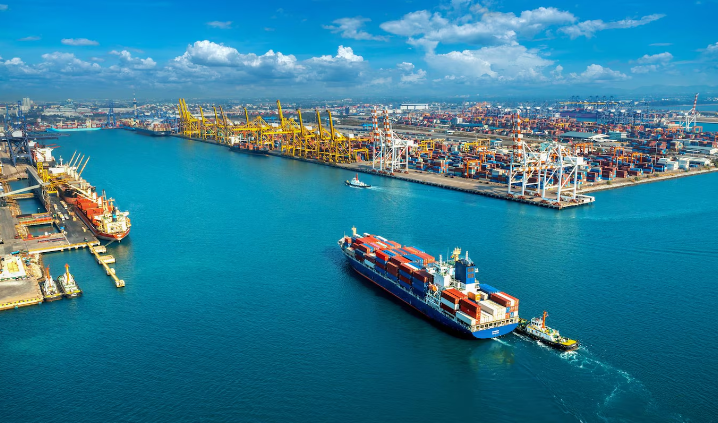
Leverage Regional & Distributed Fulfillment
One of the biggest opportunities to reduce shipping expense is inventory placement.
Instead of storing all products in a single warehouse — which forces long-distance shipping — distribute your inventory across regional fulfillment centers that are closer to major customer clusters.
Why this is cheap:
Lower average transit distance
Reduces the number of shipping zones
Shorter transit times (hence lower carrier fees)
In 2026, distributed fulfillment will be a core cost strategy, especially for e-commerce sellers shipping in high volumes.
Use a Multi-Carrier and Intelligent Routing Strategy
There’s no “one-size-fits-all” cheap carrier. Often:
USPS or national postal networks offer great prices for small, lightweight parcels.
Ground services from UPS/FedEx beat air for price if timelines aren’t urgent.
Hybrid services (e.g., FedEx SmartPost or UPS SurePost) use carriers for long haul and local postal services for final delivery — often at a discount.
Tip: Use shipping software that automatically compares rates and selects the lowest cost option for each order type.
Negotiate Commercial Carrier Rates
If your business ships at least a few hundred parcels per month, carriers are often willing to negotiate discounted commercial rates directly.
Partnering with logistics platforms or 3PLs enhances this benefit because they collectively negotiate at scale and pass discounted rates on to you.
These negotiated rates can save 5%–40% or more compared to retail pricing.
Optimize Packaging to Avoid DIM Charges
Carriers penalize packages that take up too much space relative to their actual weight.
Use snug packaging that fits the product precisely.
Avoid oversize boxes with unnecessary filler.
Train packing teams on efficient packaging standards.
Smart packaging can reduce shipping costs by up to 30% or more by minimizing DIM weight fees.
When shipping B2C goods, this is one of the easiest ways to gain instant savings.
Use Shipping Software & Automation Platforms
Platforms like ShipStation, Easyship, Shippo, and others access pre-negotiated carrier discounts and integrate with your systems (Shopify, Magento, etc.) to:
Compare real-time shipping rates
Select cheapest carrier per order
Automatically apply rules (e.g., always select USPS for <2 lb packages)
This approach ensures that you’re not manually picking carriers — and often results in smarter, cheaper shipping decisions.
Consolidate Shipments for Economy Bulk Pricing
If your business ships multiple orders to similar destinations, consider consolidating shipments and breaking them down closer to the delivery region.
For example, shipping a consolidated LCL ocean shipment to Europe and then using local carriers — instead of air parcels from China for each order — can dramatically reduce the average per-order cost.
This approach works particularly well for stores with predictable sales patterns or regional demand clusters.
Offer Local Pickup or Store Delivery
In urban regions, offering an option for customers to pick up their orders at a local store, distribution point, or locker can eliminate shipping costs entirely for that order — and also boost brand loyalty.
Not all industries can do this, but if you have a physical presence or partner with local fulfillment partners, it’s a win.
Integrate with Marketplace and Social Commerce Logistics Tools
Platforms like TikTok Shop and Amazon have proprietary shipping programs that may integrate with their marketplaces and offer discounted shipping — though not always cheaper in all markets. You’ll need to evaluate case-by-case.
Some marketplaces incentivize sellers with lower fees or better conversion if they use their fulfillment ecosystem.
Balance Speed with Cost via Tiered Delivery Options
Not every customer requires express delivery. Offering multiple delivery options — like:
Standard (cheapest)
Economy Ground
Express (higher cost)
lets customers choose what they want and avoids high per-order costs where not needed.
This also communicates transparency — and encourages customers to pick lower-cost options if they value affordability over speed.
Employ AI & Predictive Shipping Technologies
Emerging logistics technologies — including AI route optimization, digital twin planning, and predictive fulfillment — help carriers and 3PLs reduce idle time, fuel costs, and inefficiencies.
Many logistics providers are already using such systems to reduce cost per delivery — and this trend will only accelerate through 2026.
4. When the Cheapest Option Isn’t the Best Option
Low cost does not always mean good value.
Ultra-cheap shipping can come at the expense of:
Long delivery times
Loss or damage risk
Lack of tracking or poor visibility
Higher customer service cost
Balancing cost with reliability and brand experience is essential.
In 2026, many top brands choose best value — lowest total delivered cost and highest fulfillment quality — rather than simply lowest sticker price.
5. Measuring Your Shipping Efficiency
To continually optimize, track the following KPIs:
| Metric | What It Tells You |
| Average Cost Per Shipment | Overall efficiency |
| On-Time Delivery Rate | Reliability and carrier performance |
| Return Cost Per Order | Returns impact on profitability |
| Carrier Claims Ratio | Lost/damaged parcels frequency |
Data-based logistics decisions beat gut instinct — and pay off in consistent savings.
6. SendFromChina’s Role in Cost-Effective B2C Shipping
As a China-based third-party logistics (3PL) provider with global reach, SendFromChina helps brands unlock some of the most competitive international shipping rates available — often much lower than what individual sellers can negotiate on their own.
We specialize in:
Consolidated logistics
Multi-carrier rate access
Customs clearance management
Fulfillment and last-mile solutions
Regional distribution support
This means you get global reach without global costs.
Our platform is designed to help e-commerce sellers — big or small — compete internationally, without becoming logistics experts themselves.
7. Conclusion
There’s no single “magic” method for the cheapest B2C shipping in 2026. Instead, the most cost-efficient approach is a layered strategy:
Place inventory strategically
Leverage technology and software
Mix and match carriers intelligently
Optimize packaging
Choose cost-value, not just lowest price
The economics of shipping are complex, evolving, and influenced by customer expectations, carrier dynamics, and technology — but with the right systems in place, you can consistently minimize cost and maximize customer satisfaction.
Partnering with a 3PL like SendFromChina can further amplify your competitive edge by unlocking volume-discounted shipping and fulfillment insights that few merchants can access independently.
8. FAQs — Quick Answers About Cheap B2C Shipping
What carriers are typically cheapest for B2C worldwide?
Postal networks (e.g., national post or ePacket equivalents) and economy ground services are often the cheapest for small parcels.
Does using a 3PL like SendFromChina reduce my shipping cost?
Yes. 3PLs can access bulk negotiated carrier rates and provide fulfillment optimization you might not achieve alone.
Is faster shipping always more expensive?
Generally yes — but hybrid and optimized routing can balance speed and cost effectively.
How does packaging affect shipping fees?
Oversized packaging increases dimensional weight charges — smart packaging reduces cost.
Should I offer free shipping to customers?
Free shipping boosts conversions but should be balanced with margin strategy — e.g., minimum order threshold or built-in product pricing.
 Post Views:6
 TAGS:
TAGS:
Copyright statement: The copyright of this article belongs to the original author. Please indicate the source for reprinting.
Previous Post
Next Post
TAGS
Hot Research
Get Custom eCommerce Fulfillment Service
Book a Meeting
Get a Custom China Fulfillment Solution with FREE Storage for 30 Days
 Want to know about our services, fees or receive a custom quote?
Please fill out the form on the right and we will get back to you within a business day.
The more information you provide, the better our initial response
will be.