




Table of Contents
Get Custom eCommerce Fulfillment Service
Book a Meeting
What Are Customs Clearance Processes: Easy Steps to Follow
Time: Mar 06,2026 Author: SFC Source: www.sendfromchina.com
International trade is the backbone of modern e-commerce and global supply chains. Every day, millions of parcels, containers, and air shipments move across borders. Yet before those goods reach a warehouse, store, or customer, they must pass through a critical checkpoint: customs clearance.
For importers, exporters, and online sellers, understanding the customs clearance process can mean the difference between a smooth delivery and frustrating delays. This guide explains how customs clearance works, why it matters, and the easy steps businesses can follow to move goods across borders efficiently.
What Is Customs Clearance?
Customs clearance is the official process by which goods are approved by government customs authorities to enter or leave a country. During this procedure, customs officers verify shipment information, assess duties and taxes, and ensure that the goods comply with national regulations.
Imported goods meet legal requirements.
Exported goods comply with trade regulations.
Duties, taxes, and tariffs are correctly calculated and paid.
Restricted or prohibited items are identified.
Without customs clearance, international shipments cannot legally cross borders.
For global eCommerce brands, manufacturers, and wholesalers, this process happens every time goods are shipped internationally—whether by air freight, ocean freight, or express courier.
Why Customs Clearance Matters in Global Logistics
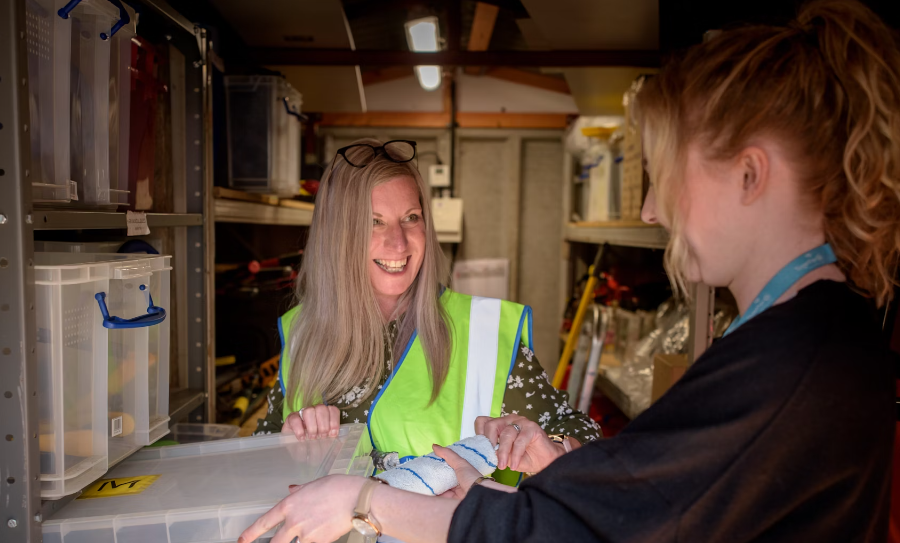
Customs clearance plays a major role in maintaining the balance between trade facilitation and regulatory control. Governments rely on customs systems to enforce trade laws, collect taxes, and prevent illegal shipments.
Here are several reasons why customs clearance is essential.
Legal Compliance
Every country has its own import and export regulations. Customs ensures shipments comply with those rules, including product standards, documentation requirements, and safety checks.
Revenue Collection
Customs authorities collect duties, tariffs, and taxes on imported goods. These fees are usually calculated based on product classification, value, and origin.
Border Security
Customs inspections help prevent the import of prohibited goods such as counterfeit products, hazardous materials, or illegal substances.
Trade Data Monitoring
Governments also track international trade flows through customs data. This helps them analyze economic trends and enforce trade agreements.
For logistics companies and cross-border sellers, understanding these factors can reduce compliance risks and improve delivery timelines.
Key Documents Required for Customs Clearance
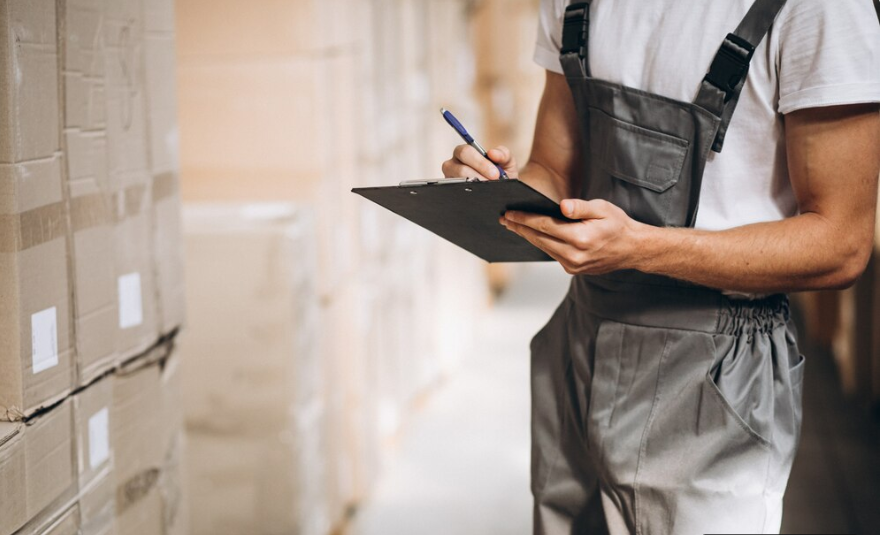
Before we look at the steps in customs clearance, it’s important to understand the documents typically required.
While requirements vary by country and shipment type, most international shipments require several standard documents.
Commercial Invoice
The commercial invoice lists essential details about the shipment, including:
Seller and buyer information
Description of goods
Unit price and total value
Currency used
Incoterms (shipping terms)
Customs authorities rely heavily on this document to determine duties and taxes.
Packing List
The packing list describes how goods are packaged. It includes:
Number of cartons
Dimensions
Weight
Contents of each package
Bill of Lading or Air Waybill
This document acts as a shipping contract and proof of cargo ownership. It is issued by the carrier transporting the goods.
Certificate of Origin
This certificate confirms the country where the goods were manufactured. It can affect tariff rates under trade agreements.
Import or Export Licenses
Certain goods—such as food products, electronics, or medical equipment—may require special permits.
Preparing these documents correctly is one of the most important steps for avoiding customs delays.
Easy Steps in the Customs Clearance Process
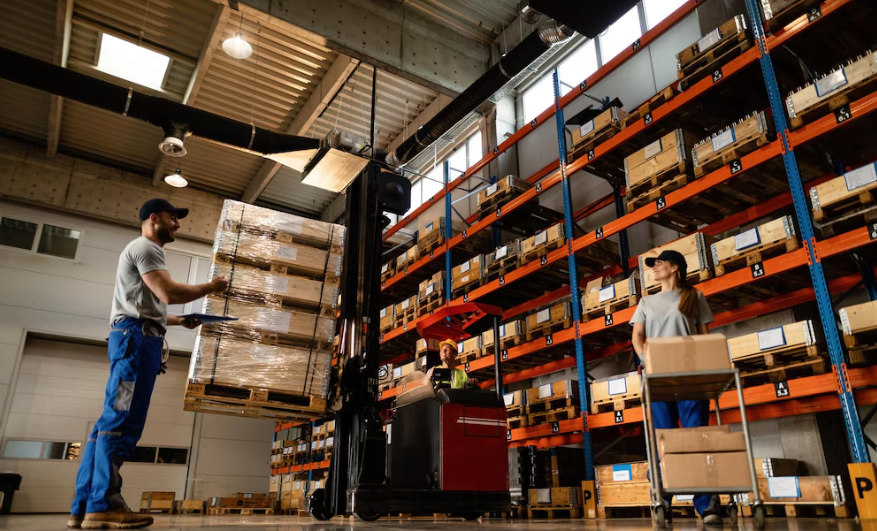
Although the process may vary slightly between countries, the customs clearance procedure generally follows a similar structure worldwide.
Below are the main steps in the customs clearance process.
Step 1: Shipment Arrival or Pre-Arrival Declaration
The customs clearance process begins when the shipment arrives at the port, airport, or border checkpoint. In many countries, businesses can submit documents electronically before arrival to speed up processing.
During this stage:
The carrier submits arrival information.
The shipment is registered in the customs system.
Goods are temporarily stored in a bonded warehouse.
Pre-arrival declarations are increasingly common in modern logistics systems because they reduce delays and improve supply chain efficiency.
Step 2: Document Submission and Customs Declaration
Next, the importer or customs broker files a customs declaration.
This declaration contains detailed information about the shipment, such as:
Description of goods
Harmonized System (HS) codes
Shipment value
Country of origin
Importer and exporter details
Customs authorities use these details to determine whether the goods meet regulatory requirements.
In most countries, this process is now completed electronically through digital customs platforms.
Step 3: Classification of Goods Using HS Codes
Every product traded internationally must be classified using a Harmonized System (HS) code.
HS codes are standardized numbers used worldwide to categorize goods. The classification determines:
Duty rates
Import restrictions
Compliance requirements
If a product is classified incorrectly, customs may re-evaluate the shipment, which can lead to delays or penalties.
Accurate classification is therefore critical for smooth customs clearance.
Step 4: Duties and Taxes Assessment
Once customs reviews the declaration, they calculate applicable charges.
These charges may include:
Import duties
Value-added tax (VAT)
Excise taxes
Customs processing fees
The amount owed depends on several factors, including product classification, shipment value, and trade agreements between countries.
For example:
Some countries have de minimis thresholds, meaning shipments below a certain value are exempt from import duties.
Free trade agreements may reduce tariffs on specific goods.
After calculating these charges, customs requests payment before releasing the shipment.
Step 5: Customs Inspection and Risk Assessment
Not every shipment is inspected.
Most modern customs systems use risk-based inspection models to decide which shipments require additional checks.
Factors that may trigger an inspection include:
High-value goods
Suspicious documentation
Restricted products
First-time importers
Random inspections
Inspection methods can include:
Document verification
X-ray scanning
Physical examination of goods
Laboratory testing for certain products
If the shipment passes inspection, it moves to the next stage.
Step 6: Payment of Duties and Taxes
Before goods can be released, all applicable customs duties and taxes must be paid.
Depending on the shipping terms, payment may be handled by:
The importer
The exporter
A customs broker
The courier company
For example:
DDP (Delivered Duty Paid) means duties are prepaid.
DDU (Delivered Duty Unpaid) means the recipient pays duties upon arrival.
Payment confirmation allows customs authorities to finalize the clearance process.
Step 7: Customs Release
After documentation approval, inspection (if required), and payment confirmation, customs issues a release order.
This official clearance allows the goods to move from the customs area to the next stage of transportation.
Once released:
Freight forwarders arrange delivery
Carriers transport goods to the final destination
Importers receive their shipments
At this point, the goods are legally allowed to enter the country or continue to export destinations.
Step 8: Final Delivery to the Consignee
After clearance, the shipment leaves the bonded facility and proceeds to its final destination.
For example:
Retail stores
Direct customer delivery
Logistics providers often coordinate this last mile of transportation.
Step 9: Post-Clearance Compliance and Record Keeping
Even after goods are released, businesses must maintain documentation.
Many customs authorities conduct post-clearance audits to verify compliance with trade regulations.
Importers should typically keep records such as:
Commercial invoices
Duty payment receipts
HS classification data
These records may need to be stored for several years depending on national regulations.
Common Reasons for Customs Clearance Delays
Even experienced importers sometimes encounter delays during customs clearance.
Here are the most common causes.
Incomplete Documentation
Missing or incorrect documents are the most frequent reason shipments get held at customs.
Incorrect HS Codes
Misclassifying products can lead to tariff re-evaluation or penalties.
Undervaluation of Goods
If customs suspects a shipment’s declared value is inaccurate, they may investigate further.
Restricted Goods
Some products require permits, certifications, or inspections before entry.
Random Inspections
Even perfectly prepared shipments may be randomly inspected by customs.
Tips to Make Customs Clearance Easier
Businesses can avoid many customs issues by following a few best practices.
Prepare Accurate Documents
Always double-check invoices, packing lists, and declarations.
Use Correct HS Codes
Consult classification databases or trade experts to ensure accuracy.
Understand Local Regulations
Different countries have unique import rules and compliance requirements.
Work With a Customs Broker
Licensed brokers help manage declarations, compliance, and duty payments.
Partner With Experienced 3PL Providers
Professional logistics companies can streamline cross-border shipping and customs procedures.
For many eCommerce brands, partnering with a global fulfillment partner simplifies customs management.
How 3PL Providers Simplify Customs Clearance
Third-party logistics providers (3PLs) play a crucial role in international shipping.
Companies like SendFromChina help businesses handle complex cross-border logistics, including:
Customs documentation preparation
HS code classification
Duty calculation
Compliance with international trade regulations
Coordination with customs brokers
By integrating fulfillment, shipping, and customs management, 3PL providers help reduce delays and improve delivery performance.
This is especially valuable for eCommerce sellers shipping globally from manufacturing hubs such as China.
Conclusion
Customs clearance is a critical step in international shipping. Although the process may appear complicated, it follows a logical structure: submit documents, declare goods, pay duties, and obtain approval from customs authorities.
By understanding the key steps—documentation, declaration, duty assessment, inspection, and release—businesses can significantly reduce delays and improve supply chain efficiency.
For growing eCommerce brands and global importers, mastering the customs clearance process is not just helpful—it is essential for smooth international trade.
FAQs
What is customs clearance in shipping?
Customs clearance is the process of getting approval from customs authorities to import or export goods across international borders.
How long does customs clearance take?
It can take anywhere from a few hours to several days depending on documentation accuracy, inspections, and the country’s customs procedures.
Who handles customs clearance?
Customs clearance is usually handled by importers, customs brokers, freight forwarders, or logistics providers.
What documents are required for customs clearance?
Common documents include a commercial invoice, packing list, bill of lading or air waybill, certificate of origin, and import licenses if required.
Can shipments be delayed at customs?
Yes. Delays may occur due to incorrect documentation, unpaid duties, inspections, or restricted goods.
 Post Views:18
 TAGS:
TAGS:
Copyright statement: The copyright of this article belongs to the original author. Please indicate the source for reprinting.
Previous Post
Next Post
Enforced from April 1, 2026! New AMIF Policy for Amazon Brazil Takes Effect
TAGS
Hot Research
Recent News
Get Custom eCommerce Fulfillment Service
Book a Meeting
Get a Custom China Fulfillment Solution with FREE Storage for 30 Days
 Want to know about our services, fees or receive a custom quote?
Please fill out the form on the right and we will get back to you within a business day.
The more information you provide, the better our initial response
will be.