




Table of Contents
Get Custom eCommerce Fulfillment Service
Book a Meeting
Apparel Fulfillment from China: SKU Management, Packing, and Returns
Time: Jun 24,2026 Author: SFC Source: www.sendfromchina.com
Apparel fulfillment from China looks simple from the outside: store clothing, pick the right item, pack it, and ship it to the customer. In practice, apparel is one of the most detail-heavy ecommerce categories because every product can have multiple sizes, colors, materials, cuts, batches, labels, and return conditions.
For fashion brands sourcing clothing from China, fulfillment quality directly affects reviews, return rates, customer support workload, and inventory accuracy. A warehouse that ships the wrong size, folds garments poorly, mixes color variants, or mishandles returns can quickly damage margins.
This guide explains how apparel fulfillment from China works, with practical tips for SKU management, packing, shipping, and returns.
What Is Apparel Fulfillment from China?
Apparel fulfillment from China is the process of storing clothing products in a China-based warehouse, syncing ecommerce orders, picking the correct size and color, packing garments, shipping parcels worldwide, and managing returns or replacements.
Common Apparel Products
This model is commonly used for:
T-shirtsHoodies
Pants
Dresses
Jackets
Activewear
Swimwear
Socks
Hats
Scarves
Baby apparel
Fashion accessories
SendFromChina supports these workflows through China warehouse storage, order fulfillment, pick and pack, ecommerce fulfillment, and multiple logistics solutions.
Why Apparel Needs Strong Fulfillment Controls
Apparel has high variant complexity. One hoodie can have five sizes, six colors, two fits, and several seasonal batches. If each variation is not controlled by SKU, picking errors become likely.
Apparel also has higher return risk than many categories because customers may return items due to size, fit, color expectation, fabric feel, or style preference.
Core Apparel Fulfillment Challenges
Apparel fulfillment requires discipline across inventory, picking, packing, and returns.
Size and Color Variants
Size and color mistakes are among the most common apparel fulfillment errors. A customer ordering a medium black hoodie will not accept a large black hoodie or a medium navy hoodie as a close substitute.
Folding and Presentation
Clothing presentation affects customer perception. Poor folding, wrinkled garments, crushed packaging, or missing inserts can make a product feel lower quality.
Returns and Resale Condition
Apparel returns must be inspected before resale. Some returned garments can be restocked. Others may need cleaning, repacking, discounting, or disposal.
Apparel SKU Management: Build the System First
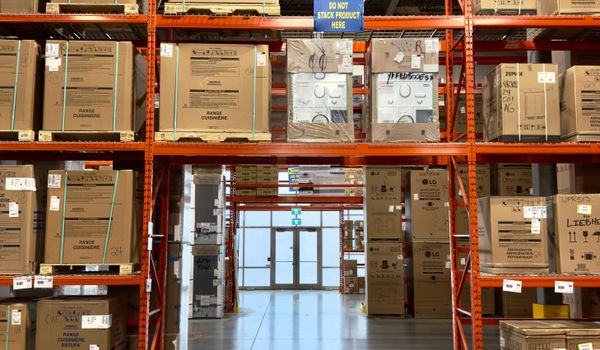
SKU management is the foundation of apparel fulfillment.
What a Good Apparel SKU Should Include
A useful apparel SKU naming system may include:
Product typeStyle code
Color code
Size
Fit or cut
Fabric or material version
Season or batch
For example:
HDY-A12-BLK-M-REG-SS26
This could represent hoodie, style A12, black, medium, regular fit, spring/summer 2026.
Apparel SKU Table
| SKU Element | Example | Why It Matters |
| Product type | TSH, HDY, PNT | Helps identify category quickly |
| Style code | A12, B07 | Separates designs |
| Color | BLK, WHT, NVY | Reduces color picking errors |
| Size | XS, S, M, L, XL | Prevents wrong-size shipments |
| Fit | REG, SLIM, OVERSIZE | Controls fit variations |
| Batch | SS26, FW26 | Helps track seasonal or supplier changes |
Use Barcodes Where Possible
Barcode labels reduce picking errors, especially when many variants look similar. The warehouse should scan or verify SKUs before packing.
SendFromChina’s order fulfillment service is relevant for sellers that need structured SKU and order processing from China.
Inbound Receiving and Quality Checks
When apparel arrives from suppliers, the fulfillment warehouse should verify inventory before it enters storage.
Inbound Checks
Common checks include:
Carton countUnits per carton
SKU labels
Size and color verification
Packaging condition
Hangtag or label presence
Visible defects
Wrong or mixed variants
Sample measurement checks
For higher-risk apparel, sellers may request AQL inspection or third-party QC before the products reach the fulfillment warehouse. Fulfillment QC is not a replacement for factory inspection, but it can catch obvious issues before orders ship.
Labeling and Compliance Checks
Apparel may require fiber content, country of origin, care instructions, or other labels depending on destination market.
The FTC provides official guidance on textile and wool labeling requirements for products sold in the United States, including fiber content, country of origin, and manufacturer or dealer identity under covered rules.
For EU markets, sellers should review textile labeling requirements and product-specific obligations with qualified advisors.
Warehouse Storage for Apparel
Apparel can be stored folded, bagged, boxed, or hung depending on the product type and presentation requirements.
Folded Storage
Folded storage works well for T-shirts, hoodies, activewear, pants, socks, and many casual garments. Products are usually stored in poly bags or cartons by SKU.
Hanging Storage
Hanging storage may be better for dresses, suits, coats, or premium garments that wrinkle easily. It costs more because it uses more space and handling time.
Storage Method Table
| Storage Method | Best For | Tradeoff |
| Folded in poly bag | T-shirts, hoodies, activewear | Efficient and lower cost |
| Folded in carton | Bulk stock by SKU | Good for replenishment, less customer-ready |
| Hanging garment | Dresses, suits, coats | Better presentation, higher storage cost |
| Flat packed with insert | Premium apparel | Better shape control, more packaging cost |
Pick and Pack for Apparel Orders
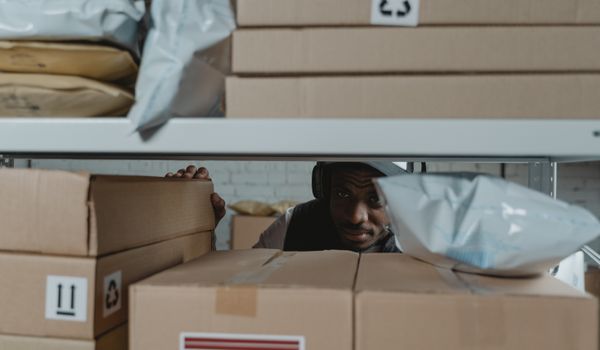
Pick and pack is where apparel fulfillment becomes customer-facing.
Common Picking Errors
Common apparel errors include:
Wrong sizeWrong color
Wrong style
Wrong fit
Missing accessory
Wrong bundle
Mixed seasonal batch
Incorrect label or hangtag
Packing Standards
Packing standards should define:
Folding methodPoly bag use
Size sticker placement
Hangtag handling
Insert or thank-you card rules
Bundle packing rules
Moisture protection
Return label inclusion where applicable
SendFromChina’s pick and pack service supports item picking, order verification, secure packing, and parcel preparation.
Apparel Packaging Tips
Good apparel packaging balances protection, presentation, and shipping cost.
Common Packaging Materials
Common options include:
Poly bagsMailer bags
Cartons
Tissue paper
Size stickers
Hangtags
Thank-you cards
Branded inserts
Moisture protection
Return instruction cards
SendFromChina provides guidance on packing materials, which can help sellers prepare products for cross-border shipping.
Avoid Overpacking
Apparel is often lightweight, but bulky packaging can increase volumetric weight. Sellers should avoid unnecessary box size unless the product is premium or easily damaged.
Shipping Apparel from China
Shipping apparel from China is usually easier than shipping batteries, liquids, or regulated electronics, but sellers still need clear product and customs data.
Route Selection
Compare routes by:
Destination countryParcel weight
Parcel dimensions
Delivery speed
Tracking quality
DDP or DDU availability
Customs process
Last-mile reliability
Returns strategy
SendFromChina’s multiple logistics solutions help sellers compare routes, while the shipping cost calculator can help estimate shipping cost.
Customs Classification
Apparel classification can depend on material, gender category, knit/woven construction, garment type, and use case. The World Customs Organization explains that the Harmonized System is used internationally for customs tariffs and trade statistics.
Sellers should confirm apparel HS classification with a customs broker or advisor.
Returns Management for Apparel
Returns are a core part of apparel fulfillment. Unlike many product categories, apparel returns are common and should be planned from the beginning.
Why Customers Return Apparel
Common reasons include:
Wrong sizePoor fit
Color does not match expectation
Fabric feel
Defect
Late delivery
Wrong item
Changed mind
Return Condition Table
| Return Condition | Recommended Action |
| New, unworn, tags attached | Inspect, rebag, restock |
| Opened but clean | Inspect, steam/fold, repackage if allowed |
| Missing tag or damaged bag | Repack, possibly discount |
| Stained, odor, worn | Do not resell as new |
| Wrong item shipped | Replace or refund, investigate SKU process |
| Defective item | Record defect reason, review supplier/QC |
China Returns vs Local Returns
Returning apparel internationally to China can be expensive and slow. Many sellers use local return addresses in key markets, refund without return for low-value products, or consolidate returns before sending inventory back.
For sellers using China fulfillment, the best return strategy depends on product value, return rate, resale potential, and customer expectations.
SendFromChina’s ecommerce fulfillment service can support broader fulfillment planning, including replacement shipments from China.
Cost Factors for Apparel Fulfillment
Apparel fulfillment cost depends on SKU complexity, storage method, packaging, order volume, shipping route, and return handling.
Cost Components
| Cost Component | What Affects It |
| Receiving | Cartons, SKU count, labeling quality |
| Storage | Folded vs hanging, volume, storage duration |
| Pick and pack | Single item vs multi-item order |
| Packaging | Poly bag, branded mailer, inserts, cartons |
| Shipping | Destination, weight, dimensions, tracking |
| Returns | Inspection, repacking, restocking, disposal |
| Value-added services | Labeling, kitting, steaming, QC |
Best Practices Checklist
Use this checklist before shipping apparel orders from China:
Use SKU codes that include style, color, size, and batchAdd barcode labels where possible
Separate similar colors and sizes in storage
Define folding and packing standards
Confirm label and care instruction requirements
Use moisture protection when needed
Set pick and pack verification rules
Keep replacement stock for high-volume SKUs
Track return reasons by SKU
Define restockable vs non-restockable return rules
Test a small batch before scaling
Common Mistakes to Avoid
The first mistake is weak SKU naming. If the SKU does not clearly identify size, color, and style, errors will happen.
The second mistake is ignoring packaging presentation. Apparel is tactile and visual; poor folding or crushed packaging affects perceived quality.
The third mistake is not planning returns. Apparel has higher return rates than many categories, so return inspection and restocking rules matter.
The fourth mistake is treating all garments the same. A T-shirt, dress, coat, and premium suit may need different storage and packing methods.
The fifth mistake is not checking labeling requirements for destination markets.
Final Thoughts
Apparel fulfillment from China can work well for fashion brands, DTC sellers, Shopify stores, and multi-channel ecommerce businesses that source garments from Chinese suppliers and ship worldwide.
The key is control. Apparel sellers need disciplined SKU management, clear labels, organized storage, consistent folding, careful packing, accurate pick and pack, shipping route selection, and a realistic returns process.
If your apparel products are manufactured in China and your customers are global, a China-based fulfillment provider can help you store inventory near suppliers, process orders, pack garments correctly, and ship worldwide.
To plan an apparel fulfillment setup, review SendFromChina’s ecommerce fulfillment service, China warehouse service, pick and pack service, value-added services, or request a custom quote.
FAQ
What is apparel fulfillment from China?
Apparel fulfillment from China is the process of storing clothing products in a China warehouse, syncing ecommerce orders, picking the correct size and color, packing garments, and shipping parcels worldwide.
Why is SKU management important for apparel?
Apparel has many size, color, fit, and style variants. Clear SKU management reduces wrong-size and wrong-color shipments.
How should apparel be packed for international shipping?
Apparel should be folded consistently, protected with poly bags or suitable packaging, labeled clearly, and packed to balance presentation with shipping cost.
Can apparel returns be sent back to China?
They can, but international returns may be costly and slow. Many sellers use local return addresses, refund without return for low-value items, or consolidate returns.
What apparel products are suitable for China fulfillment?
Suitable products include T-shirts, hoodies, pants, dresses, jackets, activewear, baby apparel, hats, socks, and fashion accessories sourced from China.
What affects apparel fulfillment cost?
Costs depend on receiving, SKU count, storage method, pick and pack complexity, packaging, shipping route, and return handling.
How can sellers reduce apparel fulfillment errors?
Use clear SKU codes, barcode labels, product photos, separated storage, pick verification, packing rules, and return reason tracking.
 Post Views:9
 TAGS:
TAGS:
Copyright statement: The copyright of this article belongs to the original author. Please indicate the source for reprinting.
Previous Post
Next Post
TAGS
Hot Research
Get Custom eCommerce Fulfillment Service
Book a Meeting
Get a Custom China Fulfillment Solution with FREE Storage for 30 Days
 Want to know about our services, fees or receive a custom quote?
Please fill out the form on the right and we will get back to you within a business day.
The more information you provide, the better our initial response
will be.