




Table of Contents
Get Custom eCommerce Fulfillment Service
Book a Meeting
Carrier Facility: What It Is & How It Works
Time: Jan 21,2026 Author: SFC Source: www.sendfromchina.com
In the complex world of global logistics and shipping, the term carrier facility shows up frequently across tracking updates, supply chain conversations, and customer queries. For many businesses—especially those engaged in cross-border eCommerce or international shipping through providers like SendFromChina—it’s essential to understand what a carrier facility is, why it matters, and how it influences the overall delivery timeline.
In this complete guide, we’ll dive into the heart of carrier facilities: exploring their role in the supply chain, how they operate, the technologies that power them, common terminology you’ll encounter, and how they impact your customers’ experiences.
1. What Is a Carrier Facility?
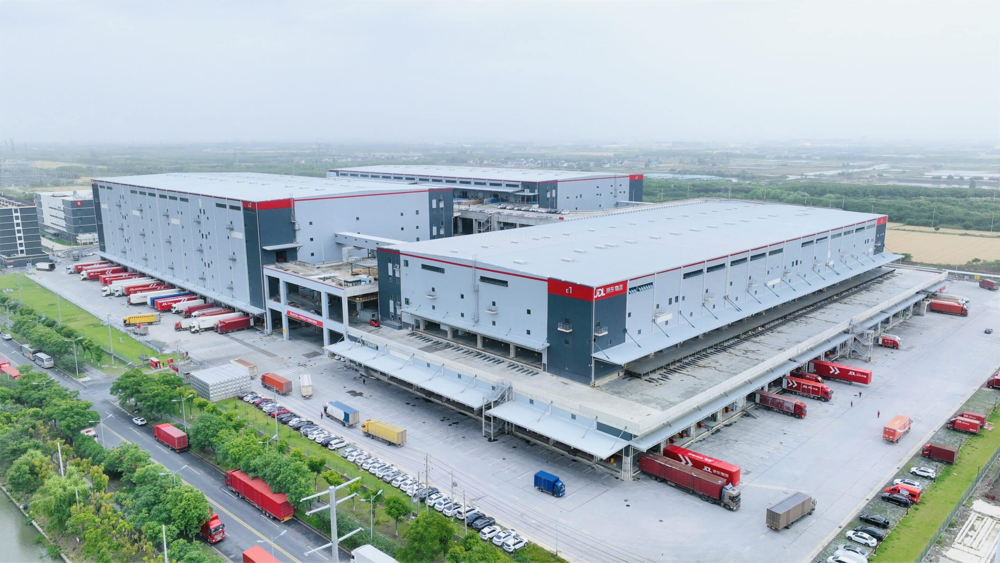
At its core, a carrier facility is a physical hub where a shipping carrier processes, sorts, and routes packages as they move from origin to destination. Think of it as a logistical “nexus” or checkpoint in the shipping journey. Carrier facilities are often large warehouses or distribution centers operated by carriers such as FedEx, UPS, DHL, USPS, Amazon Logistics, and regional freight companies.
In supply chain terms, these hubs serve as intermediate waypoints where incoming shipments are received, categorized, and directed toward their next stop. Each time a package enters or exits one of these hubs, its tracking status is updated to keep both businesses and end customers informed.
In simple terms:
A carrier facility is like an airport hub for packages—it’s where goods land, get sorted, and take off toward the next destination.
2. The Role of Carrier Facilities in Logistics
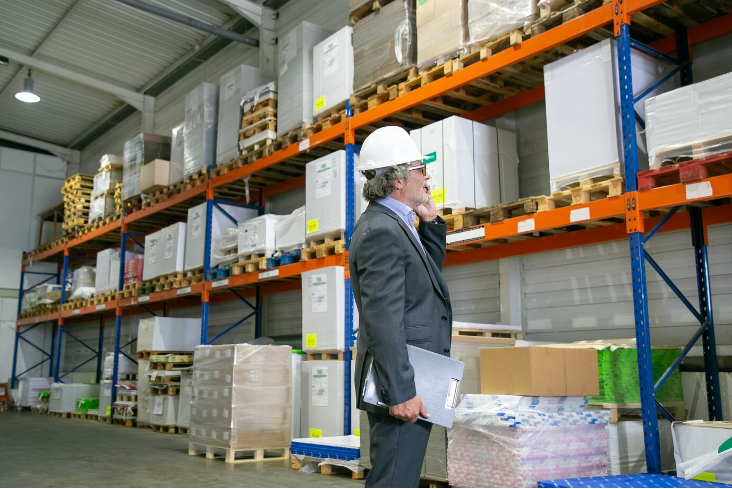
Carrier facilities are indispensable parts of modern shipping networks. Their main purpose is to facilitate the smooth, accurate, and timely movement of parcels throughout the supply chain. Without these hubs, packages would travel inefficiently, with higher chances of error and delay.
Why Carrier Facilities Matter
Carrier facilities handle tasks that are central to delivery efficiency:
Receiving and unloading incoming shipments from trucks, planes, and trains.
Sorting parcels based on destination and service level (e.g., standard vs. express).
Scanning and updating tracking systems to provide real-time visibility.
Loading parcels onto the right outbound vehicles headed to the next hub or delivery route.
By optimizing these activities, carrier facilities help ensure shipments move efficiently through the network and reach customers on time.
3. Step-by-Step: How Carrier Facilities Work
Let’s break down the typical journey of a parcel through a carrier facility:
Receiving and Intake
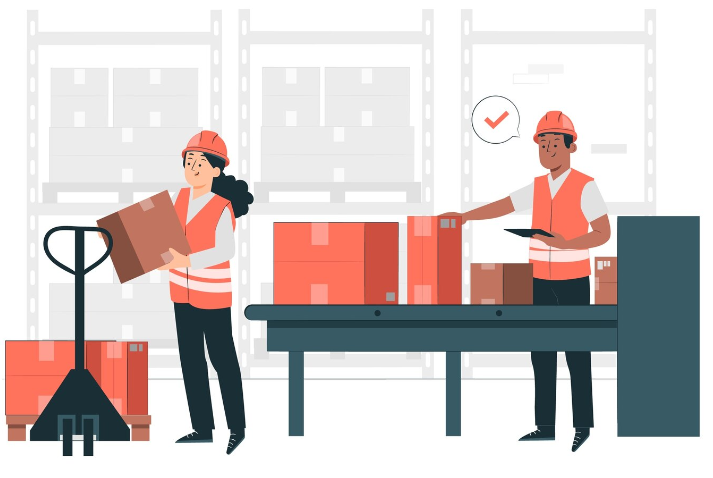
Once a carrier picks up a shipment, it is transported to a nearby carrier facility. At the receiving docks, packages are unloaded from inbound vehicles and scanned into the system. Barcodes, QR codes, or RFID tags help log the item into the carrier’s tracking system.
Sorting & Scanning
After intake, parcels are sorted based on destination, size, service level, and delivery priority. Modern facilities use automated conveyor systems, scanning stations, and intelligent software to assign each item to the correct outbound route.
Classification by Route
Once sorted, parcels are grouped into batches that will travel together to another hub or local delivery center. Destination zones, delivery timelines, and transport capacity all influence how grouping occurs.
Temporary Storage
Not all packages leave immediately upon arrival. Some may wait briefly in a designated staging area if they arrive near the end of a dispatch cycle or require special handling (e.g., climate control, customs inspection).
Loading & Departure
Finally, sorted parcels are loaded onto trucks, vans, or aircraft heading to the next carrier facility or local delivery route. This step drives the package closer to its final destination.
This entire process—intake to departure—can take anywhere from a few hours to a couple of days, depending on volume, staffing, and operational conditions.
4. Types of Carrier Facilities
Carrier facilities vary depending on their role within the logistics network. Here are some key categories:
Regional Hubs
Large facilities that serve wide geographic areas; these are major sorting and redistribution points connecting long-haul transport with local delivery networks.
Local Distribution Centers
Smaller hubs closer to urban areas where packages are prepared for last-mile delivery. They are often faster at dispatch, focusing on short distances.
Cross-Docking Facilities
These hubs prioritize speedy transfers by minimizing storage times—goods are moved directly from inbound to outbound transport with little or no warehouse pause.
Specialty Storage Centers
These facilities handle specialized cargo requiring temperature control or special packaging (e.g., pharmaceutical, perishable items).
Understanding the type of facility handling your packages can help manage expectations around delivery windows and tracking updates.
5. Technologies Powering Modern Carrier Facilities
Carrier facilities today are highly automated, data-driven operations that rely on advanced technology to handle millions of parcels efficiently.
Key Technologies Include:
Barcode scanning and RFID systems for real-time tracking.
Conveyor belts and sorting machines to route packages quickly.
Warehouse Management Systems (WMS) for inventory and capacity planning.
Artificial Intelligence & Big Data to forecast demand, optimize routes, and speed processing.
IoT sensors to monitor conditions (temperature, humidity) for sensitive cargo.
Together, these technologies help maintain speed, accuracy, and transparency—critical differentiators for businesses competing in global eCommerce and third-party logistics.
6. How Carrier Facilities Fit Into Global Supply Chains
Carrier facilities link core segments of the supply chain:
Origin Warehouse – where products begin their journey (manufacturer or seller warehouse).
Initial Carrier Pickup – carrier collects the shipment and transports it to a hub.
Carrier Facility Network – packages may travel through multiple hubs, depending on distance and destination.
Local Delivery Center – final sorting before the last-mile run.
Delivery Dispatch & Completion – parcel is delivered to the recipient’s address.
Each hop through a facility is critical for maintaining schedule, rerouting around disruptions, and ensuring accurate delivery.
7. Common Tracking Statuses You’ll See
When shipping with any major carrier, you may notice statuses such as:
Arrived at Carrier Facility – your package has reached a sorting hub.
Being Processed at Carrier Facility – package is being sorted and prepared for the next step.
Departed Carrier Facility – shipment is en route to the next distribution point or delivery area.
Seeing these updates in tracking is normal and reflects the structured way carrier facilities handle parcel flows.
8. Why Understanding Carrier Facilities Matters to Your Business
Improved Customer Communication: You can explain delays or status changes clearly. Enhanced Planning: Knowing when parcels enter and exit facilities helps you forecast delivery times accurately. Reduced Support Queries: Clear expectations around tracking statuses reduce customer support load. Operational Efficiency: Insights into carrier facility workflows enable better logistics decisions.9. Challenges & Best Practices

Common Challenges
Peak-Season Congestion: Holiday volumes can overwhelm facilities, causing delays.
Weather Disruptions: Natural events can slow down inbound and outbound transport.
Labor Shortages: Skilled staff are crucial to processing; shortages can bottleneck operations.
Best Practices
Opt for carriers with strategically placed facilities to reduce transit times.
Communicate proactively with customers when statuses show “Arrived” or “Processing at” a facility.
Use real-time logistics platforms to monitor carrier facility performance and trends.
10. Conclusion
Carrier facilities are a cornerstone of modern logistics. They represent the structured backbone of how parcels move from point A to point B—handling everything from scanning and sorting to staging and transportation. For businesses like SendFromChina, understanding the architecture and function of these facilities enhances service delivery, customer experience, and operational planning.
With supply chains becoming increasingly global and customers expecting faster delivery windows, carrier facilities will continue to evolve—driven by technological excellence and strategic placement. Whether you’re shipping a product across a city or across continents, these hubs are where logistics meets precision.
11. FAQs (with Simple Answers)
What exactly is a carrier facility?
It’s a logistics hub where carriers receive, sort, and route packages before onward delivery.
Why does my tracking say “Arrived at Carrier Facility”?
It means the package has reached a sorting hub and is being processed for the next step.
How long does a package stay at a carrier facility?
Usually a few hours up to 1–2 days, depending on volume and service level.
Can I pick up my package from a carrier facility?
In some cases, yes (with permission), but policies vary by carrier.
Do all packages go through a carrier facility?
Yes—most packages pass through one or more carrier facilities before delivery.
 Post Views:13
 TAGS:
TAGS:
Copyright statement: The copyright of this article belongs to the original author. Please indicate the source for reprinting.
Previous Post
Next Post
FedEx Overnight Service Cutoff Time Explained: Drop-Off Deadlines & Delivery Hours
TAGS
Hot Research
Get Custom eCommerce Fulfillment Service
Book a Meeting
Get a Custom China Fulfillment Solution with FREE Storage for 30 Days
 Want to know about our services, fees or receive a custom quote?
Please fill out the form on the right and we will get back to you within a business day.
The more information you provide, the better our initial response
will be.