




Table of Contents
Get Custom eCommerce Fulfillment Service
Book a Meeting
The Ultimate Guide to Optimizing 3PL Operations for Speed and Efficiency
Time: Mar 03,2026 Author: SFC Source: www.sendfromchina.com
In today’s globalized and highly competitive supply chain landscape, businesses increasingly rely on third-party logistics (3PL) providers to drive operational efficiency, accelerate delivery times, and improve customer satisfaction. With rising customer expectations, tighter profit margins, and complex cross-border challenges, implementing best practices in logistics isn’t a luxury — it’s a strategic necessity.

This comprehensive guide uncovers the most effective 3PL best practices, drawing on industry data, expert insights, and real-world logistics trends. Whether you’re a brand evaluating 3PL partners, a logistics manager seeking operational improvements, or a decision-maker aiming to strengthen your supply chain, this article reveals actionable strategies to ensure smoother and faster logistics outcomes.
1. Invest in Integrated and Advanced Technology
One of the most significant transformations in modern 3PL operations comes from leveraging technology to streamline processes, increase accuracy, and enable scalability.
Warehouse Management Systems (WMS)
A robust Warehouse Management System (WMS) is no longer optional — it’s foundational. Real-time inventory tracking, automated order routing, and seamless integration with clients’ sales platforms drive visibility and performance. For example:
Real-time tracking reduces stock inaccuracies.
Receiving, putaway, picking, and shipping processes are synchronized.
Selecting the right WMS — one that scales with your business, integrates with your current systems, and offers real-time analytics — can dramatically elevate operational performance.
Transportation Management Systems (TMS)
Combining WMS with a Transportation Management System enhances how carriers, routes, and delivery schedules are selected and optimized. This leads to:
Lower freight costs through dynamic carrier selection.
Reduced empty miles through smarter routing.
Increased on-time delivery rates.
Advanced TMS software is essential for 3PLs handling multi-modal transport, especially for global shipments or complex cross-border operations.
Data Analytics & Predictive Insights
Data is the lifeblood of modern logistics. By applying analytics to warehouse and transport data, 3PLs can:
Forecast demand more accurately using historical trends.
Predict potential disruptions before they occur.
Optimize inventory and labor resources proactively.
Forward-looking 3PLs invest in analytics dashboards and machine learning tools to convert operational data into meaningful strategies.
2. Enhance Warehouse Organization and Process Efficiency
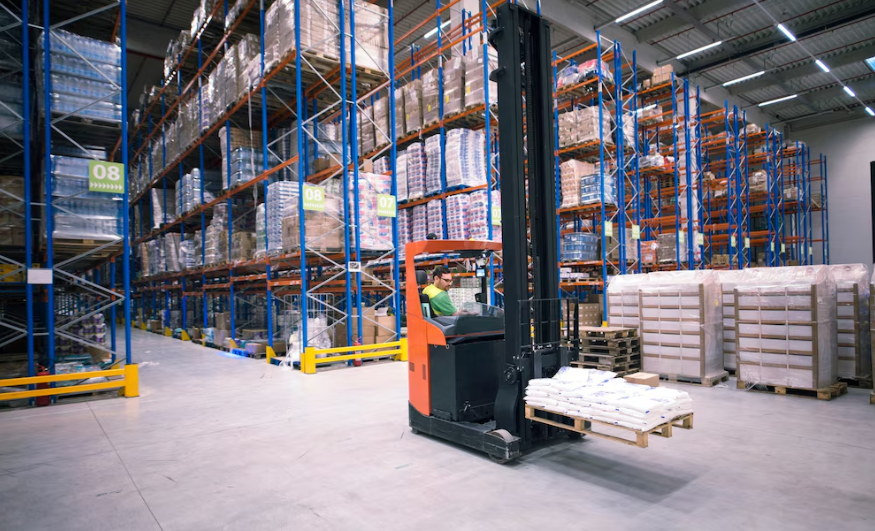
The heart of any smooth 3PL operation lies in the warehouse. A few specific areas where improvements make substantial impact include:
Clean, Structured, and Optimized Layouts
Warehouse organization might seem basic, but its effects on efficiency are profound. A well-structured layout ensures:
Items are placed based on picking frequency and turnover rate.
Aisles remain clear for smooth traffic flow.
Workers spend less time locating, moving, and packing items.
Tools like dynamic slotting — adjusting storage based on demand patterns — can further reduce travel time and increase productivity.
Efficient Receiving and Putaway Processes
Receiving is often one of the most time-consuming steps in logistics workflows. Best practices include:
Using barcodes or RFID for immediate scanning and recording.
Scheduling inbound shipments to avoid bottlenecks.
Training staff for efficient inspection and placement.
Optimized putaway processes reduce errors and feed accurate data back into the inventory system.
Picking Strategy Optimization
Not all picking methods are equal. Different order profiles call for different techniques, such as:
Batch Picking: Grouping similar orders to reduce movements.
Zone Picking: Assigning workers to specific areas to improve specialization.
Wave Picking: Scheduling picks based on delivery or shipment windows.
Choosing the right method — and adapting it as business needs evolve — can reduce cycle times and labor costs.
3. Automate Where It Adds Value
Automation brings measurable improvements in speed and consistency, especially for high-volume tasks.
Robotics and Autonomous Systems
Automated Guided Vehicles (AGVs), autonomous drones, and robotic picking systems can:
Handle repetitive movements efficiently.
Reduce manual labor errors.
Free human workers for high-value tasks.
But automation must be aligned with ROI expectations. Not all solutions deliver equal benefits — thoughtful selection driven by task needs and cost analysis ensures that automation adds meaningful value.
Smart Sensors and IoT
Internet of Things (IoT) devices provide real-time visibility into:
Inventory movement.
Equipment performance.
Environmental conditions.
These smart systems help monitor goods, equipment health, and facility status — all of which support rapid, informed decision-making.
4. Foster Clear Communication and Collaboration
High-performing 3PL operations are rarely siloed. Instead, they are collaborative ecosystems involving:
Internal teams (warehouse, IT, transport).
External partners (shippers, carriers, customers).
Tools and practices that promote collaboration include:
Account Managers as Strategic Partners
Dedicated account managers serve as a link between the 3PL and client operations, ensuring:
Expectations are aligned.
Issues are resolved proactively.
Logistics goals are co-developed and optimized.
Integrated Communication Platforms
Real-time alerts, shared dashboards, and collaborative portals allow all stakeholders to monitor:
Inventory levels.
Shipment progress.
SLA compliance.
By facilitating transparency, 3PLs avoid misunderstandings, late reactions, and process friction.
5. Track, Measure, and Optimize Performance Through KPIs
Measurement is essential to continuous improvement. The most successful 3PL providers monitor key performance indicators such as:
Inventory Accuracy Rate: Reflects how well physical stock matches records.
Order Fulfillment Cycle Time: Total time from order placement to shipment.
On-Time Delivery: Percentage of deliveries meeting promised timelines.
Receiving Efficiency: Speed and accuracy of the inbound process.
Using dashboards and scorecards, 3PLs can spot underperformance areas and devise strategies to improve them.
6. Build a Skilled and Adaptive Workforce
Even with the most advanced technology, logistics performance hinges on the people running it.
Training and Cross-Training
Continuous training ensures that staff:
Understand how to use new technology.
Follow standardized procedures.
Provide quality service even during peak demand or disruptions.
Cross-training workers to perform multiple roles enhances flexibility and responsiveness in busy periods.
Continuous Improvement Culture
Encouraging employees to participate in process enhancements fosters ownership and drives innovation. Regular feedback loops, employee engagement, and incentives for improvement lead to measurable performance gains.
7. Enhance Customer Experience as Part of Service Delivery

3PL success extends beyond operations to how clients experience the partnership.
Real-Time Visibility for Clients
Self-serve portals and dashboards allow clients to:
Track inventory and shipment status.
Access billing information.
Manage orders independently.
This reduces client support requests and speeds decision-making.
Transparent Communication and Support
Proactive customer service — not just reactive support — builds trust. Clients value providers who:
Flag issues early.
Provide clear explanations.
Offer guidance on logistics optimization.
Transparency distinguishes top-tier 3PL partners from average ones.
8. Prioritize Sustainability and Social Responsibility
Sustainable logistics practices are no longer just corporate social responsibility talking points — they are business advantages.
Eco-Friendly Transportation and Packaging
Efficient route planning reduces carbon emissions, while sustainable packaging minimizes waste and resonates with clients who are increasingly pursuing environmental goals.
Energy-Efficient Warehousing
Simple steps like LED lighting, solar panels, and optimized HVAC systems reduce energy costs while aligning your operations with global sustainability trends.
Commitment to sustainability enhances brand reputation and opens doors to eco-centric clients.
9. Negotiate Smart Cost Structures and Strategic Partnerships
Cost management doesn’t mean cutting corners — it means smarter economics.
Negotiating favorable carrier rates based on volume.
Structuring performance-based incentives.
Working with clients on long-term agreements that stabilize demand.
These approaches not only lower operating costs but also foster reliable relationships that improve logistics predictability.
10. Continuous Innovation and FutureProofing
Finally, 3PLs must stay ahead of industry trends. Technologies like AI, predictive analytics, and blockchain are reshaping logistics.
AI enhances demand forecasting.
Blockchain increases transparency.
Predictive models improve resource planning.
Leaders in the logistics space invest in pilot programs, emerging tech ecosystems, and innovation labs to stay competitive.
11. Conclusion
In a world where speed, accuracy, and customer expectations define competitive advantage, 3PL providers must go beyond mere transportation and storage. A combination of advanced technology, process excellence, strategic communication, and performance measurement drives smoother operations and faster logistics outcomes.
For companies like SendFromChina, adopting these best practices not only accelerates operational efficiency but also builds trust, drives profitability, and strengthens client relationships in a fast-moving global market.
12. Frequently Asked Questions (FAQs)
What is a 3PL provider?
A 3PL (third-party logistics) provider manages logistics functions — like warehousing, transportation, and fulfillment — on behalf of other companies.
Why is technology important in 3PL?
Technology — such as WMS and TMS — increases visibility, reduces errors, and automates workflows for smoother logistics operations.
How can 3PLs improve delivery speed?
Through real-time tracking, optimized routing, efficient picking strategies, and integrated systems that minimize delays.
What metrics should 3PLs track?
Key metrics include inventory accuracy, fulfillment cycle time, on-time deliveries, and receiving efficiency.
Are sustainable practices valuable in 3PL?
Yes — they reduce costs, support client sustainability goals, and differentiate 3PL brands in the market.
 Post Views:3
 TAGS:
TAGS:
Copyright statement: The copyright of this article belongs to the original author. Please indicate the source for reprinting.
Previous Post
Next Post
How Does UPS Package Pickup Work? A Complete Step-by-Step Guide for Shippers
TAGS
Hot Research
Recent News
- Third Party Logistics Definition, Process, and Advantages
- What Is Ecommerce Fulfillment? The Definition, Process, and Benefits
- Where Does Shein Ship From
- The Ultimate Guide to Optimizing 3PL Operations for Speed and Efficiency
- How Does UPS Package Pickup Work? A Complete Step-by-Step Guide for Shippers
Get Custom eCommerce Fulfillment Service
Book a Meeting
Get a Custom China Fulfillment Solution with FREE Storage for 30 Days
 Want to know about our services, fees or receive a custom quote?
Please fill out the form on the right and we will get back to you within a business day.
The more information you provide, the better our initial response
will be.